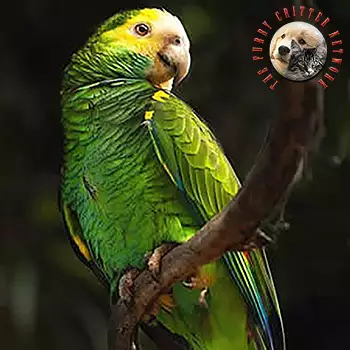

The White-Fronted Amazon is the smallest of the commonly kept Amazon parrot species, typically weighing between 190 and 250 grams, but its compact size belies a metabolism that demands careful nutritional planning. Like all Amazons, the White-Fronted Amazon has a well-documented tendency toward weight gain in captivity, a trait amplified by their enthusiastic appetite and willingness to eat almost anything offered. A diet that accounts for their smaller frame and high activity level is essential for preventing the obesity-related complications that shorten lifespans in so many captive Amazons.
Protein requirements for White-Fronted Amazons are moderate compared to larger parrot species. Their diet should deliver roughly twelve to fourteen percent protein from a combination of pellets, legumes, and small amounts of cooked egg or other animal-derived protein sources. Amino acid balance matters as much as total protein content, and diets built around a single protein source often fall short on methionine and lysine, two amino acids critical for feather development and immune function.
Fat management is perhaps the single most important dietary consideration for this species. Wild White-Fronted Amazons expend enormous amounts of energy flying, foraging, and navigating their Central American forest habitat. In captivity, even well-exercised birds burn a fraction of those calories. A diet deriving more than about ten to twelve percent of its calories from fat will almost certainly produce gradual weight gain, particularly in birds past their juvenile growth phase. Seed-heavy diets, which can run thirty to fifty percent fat by caloric content, are the primary driver of obesity in captive Amazons.
Vitamins A and D require specific attention. White-Fronted Amazons fed inadequate diets commonly develop vitamin A deficiency, which compromises the mucosal lining of the respiratory and digestive tracts and increases vulnerability to bacterial and fungal infections. Vitamin D synthesis depends on exposure to unfiltered sunlight or full-spectrum lighting, and birds housed exclusively indoors without appropriate lighting may need dietary vitamin D support even if the rest of their diet is well-formulated.