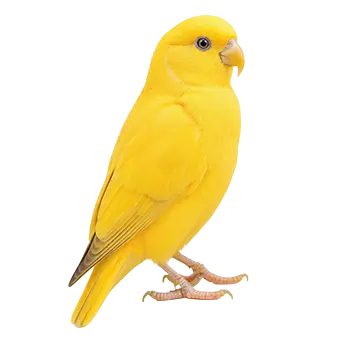

The Waterslager Canary is a horizontally active bird that flies in bursts from perch to perch rather than climbing the way parrots do. This fundamental movement pattern dictates the most important principle in Waterslager housing: width and length matter far more than height. A cage that is tall and narrow may look impressive in a room, but it fails to provide the horizontal flight space that a canary needs for exercise, muscle maintenance, and cardiovascular health. A Waterslager confined to a cage that restricts horizontal movement will develop weakened flight muscles, reduced stamina, and diminished song output over time.
Beyond physical exercise, the housing environment directly affects the Waterslager's signature song. This breed was developed over centuries in Belgium specifically for its complex water-note repertoire, and maintaining vocal condition requires a setting free from acoustic competition and excessive auditory stress. A cage placed in a noisy, high-traffic area subjects the bird to background noise levels that can interfere with song development in young males and suppress singing in adults. The ideal Waterslager environment balances social proximity to the household, since canaries are social birds that thrive on ambient companionship, with enough acoustic clarity for the bird to hear its own song and refine its delivery.
Temperature stability is another housing consideration that warrants attention. Canaries tolerate a broad temperature range but are sensitive to rapid fluctuations and drafts. The cage should be situated away from heating vents, air conditioning units, and exterior doors or windows that produce cold drafts. A consistent ambient temperature between sixty and seventy-five degrees Fahrenheit supports normal metabolic function and consistent singing behavior. Extreme heat is more dangerous than moderate cold for canaries, and housing placed in direct sunlight during summer months can overheat rapidly.
Lighting plays a critical role in the Waterslager's annual physiological cycle, influencing molt timing, breeding readiness, and song intensity. The cage should receive natural light cycles whenever possible, supplemented by full-spectrum artificial lighting if the room lacks adequate daylight. Abrupt changes in photoperiod, such as covering and uncovering the cage at irregular times, can disrupt the hormonal cycles that drive song and molt. A predictable light schedule, achieved through consistent room routines or programmable lighting, stabilizes the bird's internal clock and supports year-round vocal condition.