
Nutritional Needs

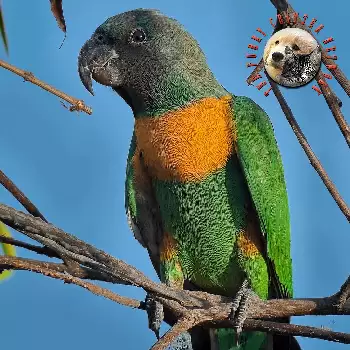
Senegal Parrots are small to mid-sized members of the Poicephalus family, and their dietary requirements reflect a metabolism that demands consistent, balanced nutrition. In the wild, they feed on a diverse mix of seeds, fruits, blossoms, and leafy greens found across the West African savanna and woodland habitats they call home. Captive Senegals thrive when their diet mimics this variety, combining a pellet-based foundation with fresh whole foods offered daily.

A well-rounded Senegal Parrot diet should consist of roughly 60 to 70 percent high-quality formulated pellets, with the remainder divided among fresh vegetables, fruits, and occasional seeds or nuts. This ratio helps prevent the nutritional deficiencies that commonly arise when birds are fed seed-only diets, particularly deficiencies in vitamin A, calcium, and essential amino acids. Senegals are prone to becoming overweight if given unlimited access to high-fat seeds like sunflower and safflower, so portion control is essential.

Calcium and vitamin A are two nutrients that deserve special attention with Senegal Parrots. Calcium supports bone density, egg production in hens, and proper nerve function, while vitamin A is critical for maintaining healthy skin, feathers, and respiratory tissue. Dark leafy greens such as kale, dandelion greens, and Swiss chard are excellent natural sources of both. Offering a cuttlebone or mineral block provides supplemental calcium and satisfies the bird's natural urge to gnaw and forage.

Hydration is often overlooked but plays a vital role in digestion and overall health. Fresh, clean water should be available at all times, and water dishes should be changed at least twice daily to prevent bacterial growth. Some owners find that offering water through a bottle-style dispenser reduces contamination from food debris and droppings, though not all Senegals take to bottle drinking immediately.

What to Look For

When selecting a base pellet for a Senegal Parrot, the ingredient list tells you far more than the packaging. Look for pellets where whole grains, legumes, or vegetables appear as the first several ingredients rather than corn, soy fillers, or sugar. Artificial colors and flavors are unnecessary and may contribute to behavioral issues or allergies in sensitive birds. Naturally colored pellets made with real fruit and vegetable pigments are a better choice and are increasingly available.

Pellet size matters for Senegals. These are compact parrots with moderate beak strength, so pellets designed for small to medium parrots are ideal. Pellets intended for large macaws or cockatoos can be too dense or oversized, leading to waste or frustration. Conversely, pellets designed for finches or budgies may be too small to engage the bird's interest. Many manufacturers offer size-specific formulations, so matching the pellet to your parrot's species group is straightforward.

Freshness is a factor that many bird owners underestimate. Pellets and seed mixes lose nutritional value over time, and fats in seed can go rancid well before any visible change occurs. Buy in quantities your bird will consume within four to six weeks, and store food in airtight containers in a cool, dry location. Avoid buying from bulk bins where turnover is uncertain, and always check for expiration or manufacture dates on packaged foods.

Organic and non-GMO options have become more prevalent in the avian food market. While the nutritional difference may be modest, organic formulations typically exclude synthetic pesticides and herbicides that can accumulate in a small bird's system over time. If budget allows, organic pellets and produce are a reasonable investment in long-term health.

Recommended Dry Food

Formulated pellets should serve as the dietary cornerstone for any Senegal Parrot. The best pellet formulations use a blend of grains, seeds, fruits, and vegetables that are ground, mixed, and extruded or cold-pressed into uniform pieces. This process ensures that every bite delivers consistent nutrition, eliminating the selective eating habits that plague seed-based diets where birds pick out favorites and ignore the rest.

Cold-pressed pellets retain slightly more heat-sensitive nutrients than extruded varieties, though both formats are nutritionally adequate when produced by reputable manufacturers. Some Senegals show a clear textural preference for one format over the other, so it may be worth sampling both before committing to a large bag. Transitioning a seed-addicted bird to pellets requires patience, often taking several weeks of gradual mixing and monitoring intake.

Seed mixes still have a place in the Senegal diet, but they should be treated as a supplement rather than a staple. A quality small-parrot seed mix might include canary seed, millet varieties, a small proportion of safflower, and dried herb or vegetable flakes. Avoid mixes that are predominantly sunflower or peanut, as these are disproportionately high in fat and low in essential micronutrients. Seeds can be offered in foraging toys or scattered on a tray to encourage natural feeding behaviors.

Nutrient-enriched seed mixes that have been coated with vitamins and minerals offer a middle ground for birds reluctant to eat pellets. However, these coatings often wash off the hull, which the bird discards, meaning the added nutrition never reaches the bird. For this reason, pellets remain the more reliable vehicle for balanced nutrition.

Wet & Fresh Options

Fresh vegetables should appear in a Senegal Parrot's dish every day. Leafy greens like kale, romaine, and dandelion greens provide vitamins A, C, and K along with calcium. Orange and yellow vegetables such as sweet potato, butternut squash, and carrots are rich in beta-carotene, which the bird converts to vitamin A. Cruciferous vegetables like broccoli and cauliflower florets add variety and are generally well-accepted. All fresh produce should be washed thoroughly to remove pesticide residues.

Fruits are a natural part of the Senegal Parrot's wild diet and can be offered in moderation as part of the captive diet. Berries, papaya, mango, apple slices, and melon are popular choices. Because fruit is relatively high in sugar compared to vegetables, it should make up no more than about 10 to 15 percent of the daily food intake. Remove seeds and pits from fruits like apples and cherries, as some contain compounds that are toxic to birds.

Cooked grains and legumes offer an excellent source of plant-based protein and complex carbohydrates. Brown rice, quinoa, barley, and cooked lentils can be prepared in batches and refrigerated for several days. Many Senegals enjoy warm grain mixes, and these can be combined with chopped vegetables for a nutrient-dense meal. Avoid adding salt, oil, or seasoning to anything prepared for your bird.

Sprouted seeds and grains are a nutritional powerhouse that bridges the gap between dry seed and fresh food. The sprouting process increases vitamin content, reduces fat, and makes nutrients more bioavailable. Mung beans, lentils, sunflower seeds, and wheat berries are all suitable for sprouting. Proper rinsing and hygiene during the sprouting process is critical, as the warm, moist conditions that encourage germination also encourage bacterial growth.

Treats & Supplements

Treats serve a dual purpose for Senegal Parrots: they reinforce bonding and training while adding dietary variety. Nuts are the highest-value treat for most Senegals, with almonds, walnuts, and pecans being popular choices. Because nuts are calorie-dense and high in fat, they should be offered sparingly — one or two small pieces per day is sufficient. Unsalted, unroasted nuts are always the safest option, as salt and cooking oils can be harmful to birds.

Dried fruit and vegetable chips designed for parrots make convenient training treats that can be broken into small pieces. Look for products made without added sugar, sulfur dioxide, or other preservatives. Dehydrated sweet potato, banana chips, and coconut flakes are generally well-received. You can also make your own dried treats at home using a food dehydrator set to a low temperature, giving you complete control over ingredients.

Vitamin and mineral supplements may be warranted in specific situations, such as during molting, breeding, or recovery from illness. Powdered supplements that are mixed into soft foods tend to be more reliably consumed than liquid supplements added to water, since birds may reduce their water intake if the taste changes. A calcium supplement in the form of a cuttlebone or calcium-fortified perch is a passive way to ensure ongoing calcium access without daily supplementation.

Probiotics formulated for avian species are gaining attention as a tool for supporting digestive health. These supplements introduce beneficial bacteria that can help maintain a healthy gut flora, particularly after antibiotic treatment. They are typically available as powders mixed into food or water. While research on avian probiotics continues to evolve, many avian veterinarians now recommend them as part of a comprehensive health maintenance routine.

Foods to Avoid

Certain common human foods are genuinely toxic to Senegal Parrots and must be kept out of reach at all times. Avocado tops the list — the persin compound found in the flesh, skin, pit, and leaves can cause respiratory distress, heart failure, and death in birds. Chocolate contains theobromine and caffeine, both of which are toxic to parrots even in small quantities. Onions and garlic, whether raw, cooked, or powdered, can damage red blood cells and lead to anemia.

Caffeine and alcohol are dangerous to birds due to their small body size and rapid metabolism. Even a small sip of coffee, tea, or an alcoholic beverage can cause cardiac distress, hyperactivity, tremors, or death. Fruit pits and apple seeds contain trace amounts of cyanide compounds and should always be removed before offering fruit. While the amount in a single seed may seem negligible, the cumulative effect in a small bird can be significant.

High-salt and high-sugar processed foods pose serious health risks to Senegal Parrots. Chips, crackers, candy, and baked goods can lead to kidney damage, obesity, and metabolic disorders. Even foods that seem benign, like salted popcorn or sweetened cereal, deliver sodium and sugar levels far beyond what a parrot's system is designed to handle. If you share table food with your bird, stick to plain, unseasoned vegetables, grains, and the occasional piece of fruit.

Raw dry beans contain hemagglutinin, a toxin that can be fatal to birds. Beans must be thoroughly soaked and cooked before they are safe to feed. Mushrooms are another food best avoided, as some varieties contain compounds that can cause digestive upset or liver damage in birds. When in doubt about whether a food is safe, err on the side of caution and consult an avian veterinarian before introducing it.

Feeding Schedule

Establishing a consistent feeding schedule helps regulate a Senegal Parrot's metabolism and provides a daily routine that supports behavioral stability. Most avian nutritionists recommend offering the main pellet dish in the morning, when birds are naturally most active and hungry after an overnight fast. Fresh foods can be provided alongside the pellets or offered as a separate midday meal, giving the bird something to anticipate and forage through during the afternoon hours.

Portion sizing depends on the individual bird's weight, activity level, and life stage. A typical adult Senegal Parrot consumes roughly two to three tablespoons of pellets per day plus a similar volume of fresh fruits and vegetables. Monitoring body weight weekly using a gram scale is the most reliable way to ensure your bird is neither gaining nor losing weight inappropriately. Sudden weight changes can indicate illness, stress, or dietary imbalance and should prompt a veterinary consultation.

Fresh foods should not be left in the cage for more than a few hours, particularly in warm environments where bacterial growth accelerates quickly. Removing uneaten produce by midafternoon prevents the bird from consuming spoiled food. Pellets and seeds can remain available throughout the day, though some owners prefer to provide measured portions to prevent overeating. Water should be refreshed at least twice daily, and more frequently if the bird tends to dunk food.

Foraging is an essential component of feeding for Senegal Parrots. In the wild, these birds spend a significant portion of their day searching for and processing food. Replicating this in captivity by hiding food inside foraging toys, wrapping treats in paper, or scattering food across a tray adds mental stimulation and slows consumption. A bird that has to work for its food is a more engaged, healthier, and better-adjusted companion.

Always consult a qualified professional before making any health-related decisions. This content is provided for informational reference only and should not replace professional guidance specific to your animal.