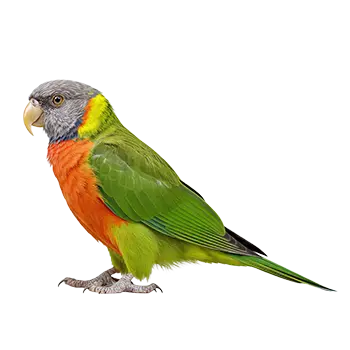

Red-bellied Parrots are small Poicephalus species that require a well-balanced diet to maintain their energy levels, feather condition, and long-term health. In the wild, they feed on a diverse mix of seeds, fruits, blossoms, and occasional insects, which means a captive diet should mirror that variety as closely as possible. A monotonous diet is one of the most common causes of health problems in these birds, leading to vitamin deficiencies, obesity, and liver disease over time.
The foundation of a Red-bellied Parrot's diet should be a high-quality formulated pellet, which ensures consistent access to essential vitamins and minerals that seed-only diets cannot reliably provide. Pellets should make up roughly 60 to 70 percent of the daily intake, with the remainder coming from fresh produce, a small amount of seeds, and occasional treats. This ratio helps prevent the selective eating habits that parrots are notorious for, where they pick out fatty seeds and ignore everything else.
Calcium and vitamin A are two nutrients that deserve special attention for this species. Red-bellied Parrots can be prone to calcium deficiency, particularly breeding hens, and vitamin A deficiency is common in birds fed primarily on seeds. Dark leafy greens, orange and yellow vegetables, and appropriate supplementation can help address both concerns. Always consult an avian veterinarian before adding concentrated vitamin supplements to the diet, as fat-soluble vitamins can build up to toxic levels if overdosed.
Fresh water should be available at all times and changed at least twice daily. Red-bellied Parrots sometimes enjoy bathing in their water dishes, which means the water can become soiled quickly. Using a covered or tube-style water dispenser alongside an open dish can help ensure a clean drinking source is always accessible.