
Play Style & Drive

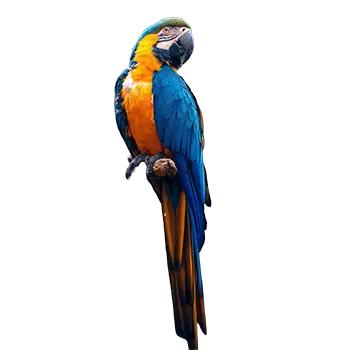
Blue and Gold Macaws are among the most playful and curious of all parrot species, with an intelligence level that demands constant mental engagement. In the wild, these birds spend the majority of their waking hours foraging, exploring, manipulating objects, and interacting socially with flock members. In captivity, where food is readily available and the environment is inherently limited, toys and enrichment activities serve as essential substitutes for the mental and physical challenges the bird would naturally encounter.

The play style of a Blue and Gold Macaw is best described as destructive-investigative. These birds approach objects with their powerful beaks first, testing texture, resistance, and breakability before deciding how to interact further. A toy that cannot be dismantled, shredded, or manipulated will quickly lose the bird's interest. This means that the most successful toys are often the ones that are designed to be destroyed — and understanding this fundamental aspect of macaw play is the first step toward building an effective enrichment program.

Individual play preferences vary significantly, and getting to know your bird's specific interests takes time and observation. Some macaws are drawn to tactile experiences — crunching through balsa wood, peeling bark strips, or shredding palm fronds. Others are more motion-oriented, preferring swinging toys, bells, and objects they can toss and chase. Many Blue and Gold Macaws also enjoy social play with their owners, including games of peek-a-boo, fetch with small objects, and vocal call-and-response routines.

A well-enriched macaw exhibits fewer behavioral problems than one that lacks adequate stimulation. Feather plucking, screaming, aggression, and stereotypic behaviors like pacing or head-bobbing are often directly linked to boredom and frustration. Investing in a rotating selection of quality toys and dedicating time each day to interactive play is not optional luxury care — it is a fundamental component of responsible macaw ownership.

Foraging & Puzzle Toys

Foraging toys are arguably the most important category of enrichment for captive macaws because they address the bird's deepest instinctual drive. Wild Blue and Gold Macaws spend four to six hours daily searching for food, cracking nuts, peeling fruit, and investigating potential food sources. Providing food in a simple bowl eliminates this entire behavioral repertoire, leaving the bird with nothing meaningful to do for most of the day. Foraging toys reintroduce challenge and problem-solving into the feeding process.

Entry-level foraging toys include simple containers with lids the bird must remove, paper wraps around treats, and skewers threaded with fruits and vegetables. These are appropriate for birds that are new to foraging and need to build confidence. As the bird becomes more skilled, you can progress to multi-step puzzle feeders that require the macaw to open doors, slide panels, turn wheels, or unscrew bolts to access the food reward inside. The gradual increase in difficulty keeps the bird engaged and prevents the frustration that comes from toys that are either too easy or impossibly hard.

Acrylic puzzle boxes designed for large parrots offer some of the most sophisticated foraging challenges available. These devices present food behind multiple barriers that require different manipulation techniques — pushing, pulling, lifting, and rotating — often in a specific sequence. High-quality puzzle feeders are made from thick, bird-safe acrylic that can withstand the macaw's beak pressure without cracking, and they are designed to be refilled and reused indefinitely.

You can also create effective foraging opportunities with everyday materials. Wrapping treats in multiple layers of plain paper, hiding food inside clean cardboard tubes stuffed with crumpled paper, or burying favorite snacks under a layer of wooden blocks in a shallow tray all provide legitimate foraging challenges at minimal cost. The key is variety and unpredictability — the macaw should never know exactly where or how it will find its next treat.

Chew Toys & Destructibles

Chewing is not a behavioral problem in macaws — it is a biological necessity. The macaw's beak grows continuously throughout its life, and regular chewing on hard and fibrous materials is essential for maintaining proper beak length, shape, and conditioning. Without appropriate chew targets, a macaw will redirect its chewing energy toward cage bars, furniture, molding, and anything else within reach. Providing a generous supply of chewable toys saves your belongings while meeting a genuine physical need.

Wood is the foundational material for macaw chew toys, but not all wood is appropriate. Soft woods like balsa, pine, and yucca are satisfying to shred and provide quick gratification, making them ideal for birds that need encouragement to engage with toys. Harder woods like manzanita, java wood, and birch offer more resistance and last longer, providing the jaw workout that helps maintain beak health. Many effective toy designs combine soft and hard wood elements on the same toy, giving the bird textural variety within a single play session.

Leather strips, natural fiber ropes made from sisal or cotton, coconut shell pieces, and palm frond bundles all make excellent chew toy components. When evaluating these materials, ensure they are untreated, undyed, and free from chemical preservatives. Vegetable-based dyes used by reputable toy manufacturers are generally considered safe and can make toys more visually appealing to color-sensitive macaws. Avoid toys with small metal components like jingle bells or clips that could be chewed off and swallowed, and inspect all hardware for zinc content.

Expect to replace chew toys frequently — a determined Blue and Gold Macaw can reduce a substantial wooden toy to splinters in a matter of days. This is not a sign that the toy was poorly made; it means the toy did exactly what it was supposed to do. Budget for ongoing toy replacement as a regular part of macaw ownership costs, and consider subscribing to a toy rotation service or buying bulk components to assemble your own toys at a lower per-unit cost.

Swings, Ladders & Physical Toys

Physical toys that encourage climbing, swinging, and balancing contribute to the macaw's cardiovascular fitness, muscle tone, and coordination. A large swing made from natural wood and stainless steel hardware is one of the most universally enjoyed toys among Blue and Gold Macaws. The rocking motion appears to be inherently soothing, and many birds choose their swing as a preferred perching spot for relaxation and sleep. Select a swing rated for large macaws with a perch diameter of at least one inch, and ensure it is mounted securely to prevent the hardware from working loose under the bird's weight.

Ladders and climbing structures provide vertical exercise within the cage and on play stands. Rope ladders, wooden step ladders, and cargo-net style climbing walls all encourage the macaw to use its feet and beak in combination, mimicking the branch-to-branch locomotion these birds employ in the wild canopy. Position climbing structures so they create pathways between perches and feeding stations, turning routine cage navigation into an active exercise.

Bungee ropes and flexible spiral perches add a dynamic element that challenges the macaw's balance and grip strength. These moving perches require constant micro-adjustments from the bird's feet and legs, engaging muscle groups that static perches do not. However, any rope or fabric toy must be monitored for fraying, as loose threads can wrap around toes or be ingested, leading to crop impaction. Replace rope elements at the first sign of significant wear.

Play gyms and tabletop activity centers extend enrichment beyond the cage boundaries. A well-designed play gym includes multiple perch levels, toy hanging points, and food cup stations, creating a secondary habitat for out-of-cage time. Look for play gyms with heavy, stable bases that a macaw's weight and movement will not topple. Stainless steel and hardwood construction ensures longevity, and models with removable trays simplify the substantial cleaning effort that comes with any macaw perching area.

Comfort & Sound Toys

Not all play needs to be vigorous or destructive. Blue and Gold Macaws also benefit from comfort objects and sensory toys that provide emotional security and auditory stimulation. Many macaws develop attachments to specific objects — a particular rope knot, a soft fabric ring, or a small stuffed toy — and will carry these items around, preen them, and sleep next to them. These comfort objects can be particularly valuable for birds experiencing stress from environmental changes, schedule disruptions, or the absence of a bonded companion.

Sound-producing toys tap into the macaw's natural love of noise and vocal experimentation. Bells, chimes, and musical toys designed for large parrots encourage interaction and can become part of the bird's daily vocal repertoire. Some macaws learn to ring bells deliberately to get attention, effectively creating their own communication system. Choose sound toys made from stainless steel or thick-walled materials that cannot be crushed or broken apart by the macaw's beak, and avoid lead-containing bells or those with clappers small enough to be swallowed.

Reflective and visually stimulating toys appeal to the macaw's keen eyesight and color perception. Acrylic mirrors, spinning wheels with colorful elements, and toys that move unpredictably when touched all attract and hold visual attention. Mirrors should be used thoughtfully — while some birds enjoy their reflection as a social stimulus, others may become obsessed or aggressive toward the perceived rival. If your macaw shows signs of unhealthy mirror fixation, such as regurgitating to its reflection or refusing to leave the mirror's vicinity, remove it and substitute other visual enrichment.

Water play is an often-overlooked enrichment category that many Blue and Gold Macaws adore. A shallow, sturdy dish of clean water placed on a towel-covered surface provides bathing opportunities that support feather health while also serving as entertainment. Some birds prefer misting from a spray bottle, while others enjoy standing under a gentle shower stream. Incorporating water play into the daily routine addresses both physical grooming needs and the macaw's innate enjoyment of tactile sensory experiences.

DIY & Budget Options

The cost of keeping a Blue and Gold Macaw in toys can be substantial, given their talent for rapid destruction, but creative owners can supplement commercial products with homemade alternatives that are equally effective. Untreated wooden blocks, clean popsicle sticks bundled with paper twine, and plain cardboard boxes stuffed with crumpled paper and hidden treats all provide legitimate enrichment at a fraction of the retail cost. The key is using only bird-safe materials — no treated wood, no glossy printed paper, no plastic bags, and no materials held together with staples or glue.

Natural materials harvested from pesticide-free environments make excellent toy components. Pinecones, untreated willow branches, dried corn husks, and palm fronds can be woven, bundled, or threaded onto stainless steel skewers to create appealing and destructible toys. Before using any natural material, verify that the specific plant species is non-toxic to birds and wash or bake the materials to eliminate parasites and contaminants. Many parrot communities maintain lists of bird-safe woods and plants that can guide your material selection.

Household items can be repurposed into surprisingly effective toys with minimal effort. Clean paper towel and toilet paper tubes make quick shredding toys when stuffed with treats and folded shut at the ends. Plain paper bags can be crumpled into balls for tossing games or hung inside the cage for the bird to tear apart. Stainless steel measuring spoons and cups, threaded onto a quick link and hung from the cage top, produce interesting sounds and reflections that many macaws find irresistible.

Toy rotation is a budget-friendly strategy that keeps enrichment feeling fresh without constant new purchases. Maintain a collection of 15 to 20 toys and rotate three to five into the cage at a time, swapping them out every few days. A toy that was boring last week often becomes fascinating again after a period of absence. This approach also allows you to inspect toys for damage during their off-duty periods, replacing worn components and refreshing destructible elements before they return to service.

Always consult a qualified professional before making any health-related decisions. This content is provided for informational reference only and should not replace professional guidance specific to your animal.