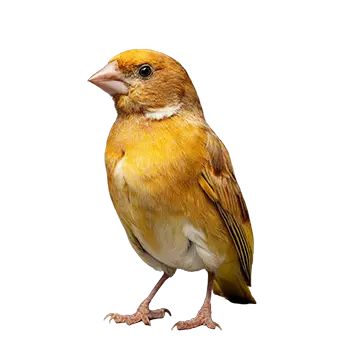

The German Roller Canary is a breed refined over centuries for the quality and complexity of its song, and its nutritional requirements reflect that specialization. The metabolic demands of sustained vocal performance, combined with the energy costs of maintaining plumage and body temperature in a small-bodied bird, mean that diet directly influences both health and singing ability. A poorly fed Roller will often show dull feathers and diminished song output long before clinical illness appears, making nutrition one of the most immediate levers an owner can adjust.
Canaries as a group are granivores whose wild ancestors relied on a rotating seasonal menu of grass seeds, weed seeds, and small plant material. The domesticated German Roller retains this seed-based digestive physiology, with a relatively short digestive tract optimized for processing small seeds efficiently. Unlike parrots, canaries do not have the muscular crop and extended gut passage time needed to extract nutrients from large nuts or dense fibrous vegetation, which means their food products must deliver concentrated nutrition in small, easily processed forms.
Protein requirements increase significantly during the annual molt, which typically occurs in late summer and early fall. Growing new feathers is one of the most protein-intensive processes a bird undergoes, and inadequate protein during this period leads to fault bars, thin feather shafts, and incomplete molt cycles that compromise both appearance and insulation. Song quality also suffers in the months following a nutritionally deficient molt, as the bird redirects energy from vocalization to basic physiological recovery.
Fat is an essential energy source but must be carefully managed. Canaries housed indoors in temperature-controlled environments burn fewer calories than their wild counterparts and are prone to hepatic lipidosis, a fatty liver condition that develops when caloric intake consistently exceeds expenditure. Seed mixes heavy in sunflower, flax, or hemp provide more fat than a sedentary cage bird can utilize, making the composition of the base seed mix one of the most important purchasing decisions an owner faces.