
Play Style & Natural Behaviors

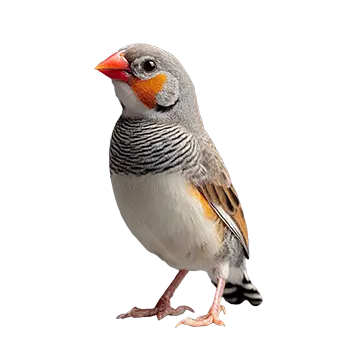
Understanding how Zebra Finches play is essential before selecting toys, because their interaction style differs dramatically from parrots and other hookbills. Finches rarely manipulate objects with their feet or hold items in their beaks for extended periods. Instead, their play revolves around flight, social interaction, exploration of textures, bathing, foraging, and nest-building behavior. Enrichment for finches should be designed around these natural inclinations rather than the foot-and-beak manipulation that parrot toys are built for.

Social play is perhaps the most important form of enrichment for Zebra Finches. Males sing elaborate courtship songs, pairs engage in mutual preening, and flock members chase each other through the cage in short, energetic bursts. Providing enough space for these interactions and keeping finches in groups of at least two is itself a form of enrichment that no commercial toy can replace.

Finches are also naturally curious about novel objects introduced into their environment. A new branch, a cluster of dried grasses, or a small mirror can hold their attention for hours. However, they can also be startled by sudden changes, so new items should be introduced gradually — placed near but not inside the cage initially, then moved closer over a day or two before being installed inside the enclosure.

Bathing is a form of play and hygiene that Zebra Finches engage in enthusiastically. A shallow bath dish placed on the cage floor or clipped to an open door will attract immediate and vigorous splashing. Watching finches bathe is endlessly entertaining, and providing daily bathing opportunities supports feather condition and overall well-being.

Foraging & Puzzle Enrichment

Foraging enrichment is one of the most effective ways to keep Zebra Finches mentally engaged. In the wild, these birds spend a significant portion of their day searching for food across large areas of grassland. Captive finches with food constantly available in a single dish miss out on this cognitively stimulating activity. Simple foraging setups can replicate the experience and reduce boredom-related behaviors.

Scattering seed across a shallow tray filled with clean paper strips, crumpled tissue, or dried grass encourages finches to sift and search for their meals rather than eating passively from a dish. This mimics the ground-foraging behavior they would perform in the wild and keeps them occupied for extended periods. Start with a thin layer of material so the birds quickly find rewards, then increase the depth as they become more experienced foragers.

Commercial foraging toys designed for small birds — such as seed-filled wicker balls, lattice spheres, and hanging treat baskets — can also be effective if they are appropriately sized. Many foraging toys on the market are built for parrots and are far too large or mechanically complex for finches. Look for items small enough that a finch can perch beside them and access the contents without needing to dismantle heavy hardware.

Herb bundles and edible grass sprays tied to the cage bars serve a dual purpose as both foraging enrichment and dietary supplementation. Fresh sprigs of millet still on the stalk, bunches of dried chamomile, or clusters of seeding grasses give finches something to pick at throughout the day. Replace these items as they are consumed or begin to deteriorate.

Swings, Ladders & Movement Toys

Swings are a staple finch toy and most Zebra Finches take to them readily. A simple wooden or bamboo swing hung from the cage ceiling becomes a preferred roosting and sleeping spot for many birds. The gentle motion stimulates balance and coordination, and finches often vocalize contentedly while swaying. Choose swings sized for small birds — those with perch diameters between a quarter inch and half an inch — and ensure the hanging hardware is secure with no small parts that could be swallowed.

Ladders and climbing structures offer variety in movement patterns, though finches use them differently than parrots. Rather than climbing rung by rung, finches tend to hop from one level to another or perch briefly before flying to the next station. Short wooden ladders positioned at angles between perches create intermediate landing spots that add complexity to the cage layout without obstructing flight paths.

Rope spirals and boing-style perches made from natural fiber rope introduce a flexible, bouncy surface that many finches enjoy. These should be inspected regularly for fraying, as loose threads can entangle toes or legs. When fibers begin to separate, replace the item immediately rather than attempting to trim the frays, which often recur quickly.

Rotating toys in and out of the cage on a weekly or biweekly basis prevents habituation and keeps the environment feeling fresh. Maintain a small collection of toys and swap two or three at a time so that returning items feel novel again after a period of absence. This simple rotation strategy provides ongoing stimulation without the need to constantly purchase new products.

Mirrors, Bells & Sensory Toys

Small mirrors generate strong responses from Zebra Finches, particularly from males who may sing to and display for their reflection. A single small mirror placed in the cage can provide entertainment and social stimulation, especially for finches kept in pairs rather than larger flocks. However, mirrors should be used thoughtfully — some birds become obsessively fixated on their reflection, which can lead to stress or aggression. If a bird is spending excessive time at the mirror to the exclusion of eating, bathing, or interacting with cage mates, it should be removed.

Small bells produce gentle sounds that many finches find intriguing. Stainless steel jingle bells attached to swings or hung individually from the cage ceiling encourage investigation and occasional pecking. Avoid bells with clappers that can be removed and swallowed, and choose stainless steel over painted or coated metals to eliminate the risk of toxic material ingestion.

Textured toys made from woven palm leaf, seagrass, or coconut fiber appeal to the finch's instinct to explore surfaces with their beaks. These natural-material toys are safe if nibbled and can be shredded and incorporated into nesting behavior, which adds another layer of enrichment. Preening toys — small bundles of soft cotton or sisal rope — can satisfy the grooming drive, particularly in single birds that lack a preening partner.

Sound enrichment extends beyond physical toys. Playing recordings of wild Zebra Finch calls or gentle nature soundscapes at low volume during daytime hours can stimulate vocalization and social behavior. Males in particular may respond to recorded songs by singing in response, which provides cognitive stimulation and emotional engagement.

Nesting Materials as Enrichment

The drive to build nests is deeply ingrained in Zebra Finches, and providing nesting materials serves as one of the most potent forms of behavioral enrichment available. Even when breeding is not desired, offering safe nesting fibers allows finches to express an important natural behavior. Males will carry materials to a chosen site and arrange them meticulously, while both sexes participate in shaping and maintaining the structure.

Safe nesting materials include dried grass, coconut fiber, shredded paper, and short lengths of untreated cotton string cut to no more than two inches to prevent entanglement. Avoid long threads, yarn, fabric strips, or human hair, all of which pose serious risks of wrapping around legs, toes, or necks. Place a small bundle of approved materials on the cage floor or in a clip-on dispenser and observe how enthusiastically your finches collect and arrange them.

If you do not want your finches to breed, provide nesting materials without a nest box or enclosed nesting site. Many finches will still gather and arrange fibers on a platform or in a food dish, satisfying their building instinct without producing viable nests. Removing eggs promptly if they are laid — or replacing them with dummy eggs to discourage repeated laying — is a separate management strategy that works alongside material enrichment.

Woven grass nests, wicker baskets, and enclosed wooden nest boxes each appeal to different finch preferences. Some pairs prefer open cup nests, while others insist on a fully enclosed box with a small entrance hole. Offering a choice and observing which style your birds favor allows you to tailor future enrichment decisions to their individual personalities.

DIY & Budget Enrichment Ideas

Effective Zebra Finch enrichment does not require expensive products. Some of the best enrichment items can be made from safe household materials at no cost. A shallow ceramic dish filled with an inch of room-temperature water creates an instant bath that finches will use with obvious delight. A small terra cotta saucer works equally well and adds a natural aesthetic to the cage floor.

Toilet paper tubes and small cardboard boxes — free of ink, glue, and tape — can be placed in the cage for exploration and shredding. Finches will hop through tubes, peck at the cardboard, and tear strips to use as nesting material. These items are disposable and can be replaced daily, providing a constantly renewable source of novelty.

Fresh branches from bird-safe trees offer perching variety, foraging opportunities, and chewing surfaces all in one. Willow, apple, pear, and birch branches are popular choices. Wash and inspect all branches for insects, mold, or chemical residue before introducing them to the cage. Securing branches at different angles with cage clips or cable ties creates a more naturalistic interior that encourages exploration.

Sprouting seeds in a small dish inside the cage combines foraging enrichment with nutritional supplementation. Watching finches pick at freshly sprouted millet or canary seed is rewarding, and the sprouts provide a living, changing element within the enclosure. Herb pots placed outside the cage where finches can reach through the bars to nibble also provide safe, cost-free stimulation. The key principle underlying all DIY enrichment is variety and rotation — even the simplest items feel fresh again after a period of absence.

Always consult a qualified professional before making any health-related decisions. This content is provided for informational reference only and should not replace professional guidance specific to your animal.