
Nutritional Needs

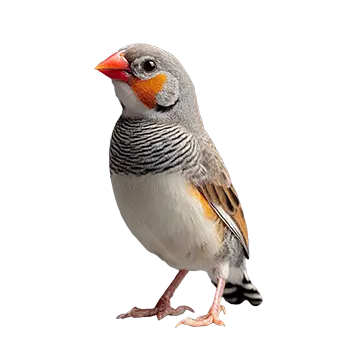
Zebra Finches are granivorous birds whose diet in the wild consists primarily of grass seeds, supplemented by the occasional insect and leafy green. In captivity, replicating this nutritional balance is essential for maintaining healthy plumage, strong bones, and consistent energy levels. A well-rounded diet should deliver adequate protein, calcium, and essential fatty acids without relying on a single food source.

Protein requirements increase during molting and breeding seasons, making it important to adjust the diet throughout the year. Calcium is another critical nutrient, particularly for hens that may produce eggs even in the absence of a mate. Without sufficient calcium, egg binding and brittle bones become real risks. Providing a cuttlebone or mineral block alongside a quality seed mix addresses this need effectively.

Vitamins A, D, and E play important roles in immune function, feather quality, and reproductive health. While many commercial seed mixes are fortified, finches that selectively eat only certain seeds may still develop deficiencies. Offering a variety of fresh vegetables and egg food helps close any nutritional gaps that a seed-only approach might leave open.

Hydration is often overlooked but equally vital. Clean, fresh water should be available at all times, and water containers should be positioned away from perches to prevent contamination. Some keepers add liquid vitamin supplements to the water on a rotating schedule, though this should be done sparingly and according to product directions to avoid over-supplementation.

What to Look For in Seed Mixes

The foundation of a Zebra Finch diet is a high-quality seed mix formulated specifically for finches. Look for blends that feature a variety of small seeds such as white millet, canary grass seed, and niger seed. Avoid mixes that are padded with large seeds like sunflower or safflower, as Zebra Finches cannot crack these efficiently and they add unnecessary fat content.

Freshness matters more than most keepers realize. Seed that has been sitting on a shelf for months loses nutritional value and can develop mold or harbor pantry pests. Check packaging dates when possible and store seed in airtight containers in a cool, dry location. A simple germination test — placing a small sample on a damp paper towel — can confirm viability. If fewer than half the seeds sprout within a couple of days, the batch is likely too old to provide meaningful nutrition.

Fortified or pelleted seed blends are worth considering as a partial replacement for traditional loose seed. These products are engineered to deliver balanced nutrition in every bite, which prevents the selective feeding behavior that leads to deficiencies. Transitioning a finch from loose seed to pellets should be done gradually over several weeks, mixing increasing proportions of pellets into the familiar seed blend.

Organic and pesticide-free options are available from specialty suppliers and may be worth the premium for keepers who want to minimize chemical exposure. Regardless of the brand, always inspect seed visually before offering it. Discolored, dusty, or clumped seed should be discarded immediately.

Recommended Dry Food Options

Beyond the standard seed mix, dry food options for Zebra Finches include egg food, dried insect crumbles, and sprouted seed preparations. Egg food is a particularly valuable supplement during breeding and molting periods because it delivers concentrated protein and fat in a form that finches readily accept. Commercial egg food products come in both dry crumble and moist cake formats, and either works well when offered fresh each morning and removed before spoilage occurs.

Dried insect crumbles — typically made from mealworms or black soldier fly larvae — provide another protein-rich option that mimics the insects finches would encounter in the wild. These can be sprinkled over seed or offered in a separate dish. Some finches take to them immediately, while others may need a few days of exposure before they begin eating them consistently.

Sprouted seeds represent one of the most nutritionally dense foods you can offer. The germination process converts stored starches into readily digestible sugars, boosts vitamin content, and softens the hull for easier consumption. Mung beans, millet, and canary seed all sprout well. Proper hygiene during the sprouting process is essential — rinse seeds thoroughly twice daily and discard any batch that develops an off smell or visible mold.

Finch-specific pellet formulations round out the dry food category. These compressed pellets are designed to prevent selective eating by delivering uniform nutrition in every piece. While not every finch accepts pellets willingly, persistence and gradual introduction usually lead to acceptance within a few weeks.

Fresh Foods & Greens

Fresh vegetables and leafy greens should be a regular part of every Zebra Finch's diet. Dark leafy greens such as kale, spinach, dandelion greens, and romaine lettuce offer vitamins and minerals that seed alone cannot provide. Wash all produce thoroughly and chop it into small, manageable pieces before clipping it to the cage bars or placing it in a shallow dish.

Finely grated carrot, broccoli florets, and cucumber slices are also well-received by most finches. Fruit can be offered occasionally in very small quantities — a thin slice of apple or a few blueberries — but should not become a dietary staple due to its sugar content. Remove any uneaten fresh food within a few hours to prevent bacterial growth, especially in warmer environments.

Herbs such as parsley, basil, and cilantro are often enthusiastically consumed and provide additional micronutrients. Growing a small herb pot near a sunny window gives you a convenient, pesticide-free supply. Edible flowers like nasturtiums and dandelion blossoms can also be offered as occasional treats.

Introducing fresh foods to finches that have been raised on a seed-only diet requires patience. Some birds may ignore greens entirely at first. Placing the fresh food near a favorite perch, mixing finely chopped greens into egg food, or offering greens alongside a flock mate that already eats them can all encourage acceptance over time.

Treats & Supplements

Treats serve a dual purpose for Zebra Finches: they provide dietary variety and create opportunities for enrichment. Spray millet is the quintessential finch treat — nearly every Zebra Finch will eagerly pick at a millet spray clipped inside the cage. While nutritious in moderation, spray millet is calorie-dense and should be rationed to prevent weight gain, especially in less active birds.

Mineral supplements are not optional for Zebra Finches; they are a dietary necessity. A cuttlebone or mineral block should be available in the cage at all times. These provide calcium, trace minerals, and a surface for beak conditioning. Crushed oyster shell or calcium-enriched grit can be offered in a separate dish as an additional source. Grit remains a topic of some debate among aviculturists, but many experienced finch keepers find that a small amount of mineralized grit aids digestion.

Liquid vitamin and mineral supplements designed for cage birds can be added to drinking water on a scheduled basis. Follow the manufacturer's dosing instructions carefully, as over-supplementation can be just as harmful as deficiency. Water-soluble vitamins degrade quickly in light and heat, so change supplemented water at least once daily and use opaque or shaded water dispensers when possible.

Probiotics formulated for birds are gaining popularity as a way to support gut health, particularly after antibiotic treatment or during stressful transitions such as rehoming or introducing new flock members. These are typically available as powders that can be mixed into soft food or water.

Foods to Avoid

Several common foods are toxic or harmful to Zebra Finches and should never be offered under any circumstances. Avocado is perhaps the most well-known avian toxin — all parts of the fruit, including the flesh, pit, and skin, contain persin, which can cause cardiac distress and death in small birds. Chocolate and caffeine are similarly dangerous and should be kept well away from any area where birds are housed or allowed to fly.

Onions and garlic contain compounds that can damage red blood cells in birds, leading to anemia with repeated exposure. While a tiny accidental nibble is unlikely to cause immediate harm, these foods should be excluded from the diet entirely. The same applies to raw beans, which contain hemagglutinin, a toxin that is neutralized only by thorough cooking.

Fruit seeds and pits from apples, cherries, peaches, and apricots contain trace amounts of cyanide compounds. While the risk from a single seed is minimal, it is best practice to remove all seeds and pits before offering fruit. Heavily salted, sugared, or processed human foods have no place in a finch's diet and can cause kidney damage, obesity, and digestive upset.

Pesticide residue on conventionally grown produce is another concern. Always wash fruits and vegetables thoroughly or choose organic options when possible. If you grow your own greens or herbs, ensure that no chemical fertilizers, herbicides, or insecticides have been applied to the plants or the surrounding soil.

Feeding Schedule & Portions

Zebra Finches have fast metabolisms and should have access to their primary seed mix at all times. Unlike larger parrots that can be meal-fed, finches need to eat frequently throughout the day to maintain their energy levels. A small dish of seed should be checked and topped off each morning, and hulls should be blown away or skimmed from the surface so that full seeds remain accessible.

Fresh foods and egg food are best offered in the morning when birds are most active and hungry. Provide only as much fresh food as your finches will consume within two to three hours, then remove the remainder to maintain cage hygiene. During breeding or molting seasons, you may increase the frequency and volume of protein-rich supplements like egg food and sprouted seed.

Water should be changed at least once daily — more often if you notice debris, droppings, or seed hulls floating in it. Tube-style water dispensers help keep water cleaner than open dishes, though some finches prefer drinking from a shallow bowl. Whichever style you use, clean the container thoroughly with a bottle brush and mild dish soap at least every other day to prevent biofilm buildup.

Monitoring your finches' weight and body condition is the best way to gauge whether the diet is meeting their needs. A healthy Zebra Finch should feel firm but not bony at the keel bone, with a smooth, tight layer of breast muscle on either side. If birds appear fluffed, lethargic, or are losing weight despite adequate food availability, a veterinary consultation is warranted to rule out illness or parasitic infection.

Always consult a qualified professional before making any health-related decisions. This content is provided for informational reference only and should not replace professional guidance specific to your animal.