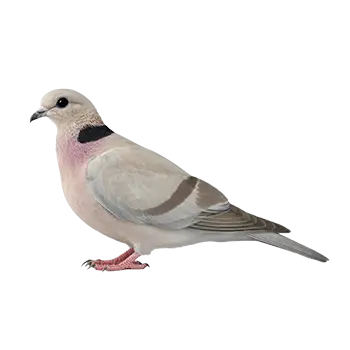

Ring-necked Doves are primarily granivorous birds, meaning their diet revolves around seeds and grains. In the wild, they forage on the ground for a variety of small seeds, grains, and occasional plant matter. Their digestive system is designed to process whole seeds efficiently with the help of their muscular gizzard, which grinds food using small bits of grit. Understanding this natural feeding behavior is key to selecting products that support their overall health.
A balanced captive diet should aim to replicate the nutritional diversity doves encounter in the wild. This means providing a foundation of quality seed mix supplemented with greens, vegetables, and mineral sources. Ring-necked Doves require a diet that is moderate in fat and protein compared to parrots or finches, and they benefit from consistent access to calcium for egg-laying hens and bone health in general.
Vitamins A, D3, and E are particularly important for doves. Vitamin A supports respiratory and eye health, D3 is essential for calcium metabolism, and E functions as an antioxidant that protects cells during stress. Since seed-heavy diets can fall short on these vitamins, supplementation through fortified foods or vitamin drops is often necessary.
Hydration also plays a role in nutrition. Doves drink by immersing their bills and sucking water upward, unlike most birds that tilt their heads back to swallow. This means their water dishes should be deep enough for bill immersion but shallow enough to prevent drowning, and fresh water should always be available to aid digestion and nutrient absorption.