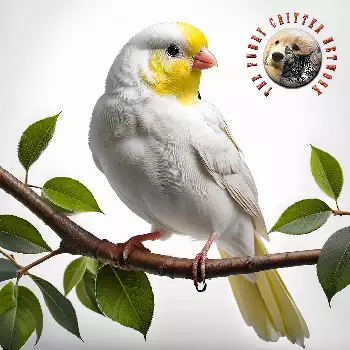

Canaries are seed-eating birds by nature, but a healthy diet goes well beyond a basic seed mix. In the wild, they forage on a variety of grass seeds, leafy greens, and small insects, giving them a broad nutritional profile that a single bag of seed cannot replicate. Understanding the balance between seeds, fresh produce, and supplemental nutrients is the foundation of keeping a Canary vibrant, vocal, and long-lived.
The core dietary components for a Canary include carbohydrates from seeds, protein for feather growth and muscle maintenance, fats in moderation for energy, and a range of vitamins and minerals that support immune function and bone health. Calcium and vitamin A are particularly important — calcium supports egg-laying hens and overall skeletal health, while vitamin A keeps the respiratory and digestive systems functioning properly.
Canaries also have a high metabolic rate relative to their body size, which means they need consistent access to food throughout the day. Unlike larger parrots that can handle structured meal times, Canaries do best when fresh food is always available. A bird that goes without food for even a few hours can experience dangerous drops in blood sugar, so reliable food access is not optional — it is a welfare requirement.
During molting season, nutritional demands increase significantly. Feather production requires additional protein and amino acids, particularly methionine and cysteine. Birds that are not fed appropriately during the molt may produce dull, brittle feathers or experience prolonged molting periods that leave them stressed and vulnerable to illness.