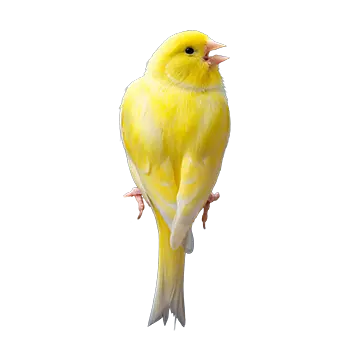

Technology has expanded the toolkit available to American Singer Canary keepers in ways that were impractical or impossible just a decade ago. Environmental monitoring, behavioral observation, photoperiod management, and health tracking can now be supported by affordable consumer devices that provide real-time data and historical records. For a breed whose value and appeal center on vocal performance, technology offers particularly interesting possibilities, from recording and analyzing song quality to automating the environmental conditions that support optimal singing.
The application of technology to canary care should be guided by the principle that tools serve the keeper's judgment rather than replacing it. A temperature sensor can alert you to a dangerous drop in room temperature overnight, but it cannot assess whether a bird is showing early signs of illness. A camera lets you observe behavior while you are away from home, but interpreting what you see still requires knowledge of normal canary behavior. The most effective use of technology combines digital precision with the experienced observation that has always been the foundation of good bird husbandry.
Cost-effectiveness varies enormously across the technology landscape. Some of the most useful tools, such as a simple digital thermometer and hygrometer, cost less than a bag of premium seed. Others, like networked camera systems and smart home integrations, represent more significant investments whose value depends on the keeper's specific circumstances. A breeder managing thirty birds in a dedicated bird room has different technology needs than someone keeping a single pet Singer in their living room, and the products discussed in this section span that full range.
Compatibility with the canary's sensitivity to environmental disturbances is an important consideration when introducing any electronic device near the cage. Devices that emit audible tones, produce flashing lights, or generate electromagnetic interference can disturb a canary's rest and suppress singing. Quiet, passively operating devices are preferred over those with active indicators, and placement should prioritize being close enough to measure accurately while far enough away to avoid creating a disturbance.