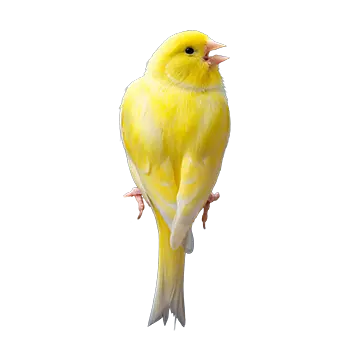

The American Singer Canary is an active, flight-oriented bird that requires housing designed around horizontal movement rather than climbing. Unlike parrots, which navigate their enclosures by gripping bars and climbing vertically, canaries move almost exclusively by flying from perch to perch. This fundamental behavioral difference means that cage selection for a Singer must prioritize width and length over height, a distinction that many first-time canary owners overlook when shopping for enclosures marketed generically for small birds.
The minimum recommended cage size for a single American Singer Canary is twenty-four inches in length, though experienced keepers consistently advise going larger when space permits. A cage thirty inches or wider provides meaningfully more flight room and allows the bird to build the kind of sustained flight patterns that support cardiovascular health and muscle tone. Height is less critical, but a cage at least sixteen inches tall accommodates perch placement at multiple levels without crowding the bird's flight path between the primary perches.
Bar spacing is a safety-critical specification. Canaries require bar spacing no wider than half an inch. Cages designed for parakeets or larger birds often have bar spacing of five-eighths of an inch or more, which creates a risk of the canary wedging its head between bars, potentially resulting in injury or strangulation. Wire gauge also matters; very thin wire may bend or warp over time, creating gaps that compromise the cage's structural integrity even if the original spacing was appropriate.
Ventilation and light access influence both the bird's physical health and its singing behavior. American Singers are photoperiod-sensitive, meaning the length of their daily light exposure directly affects their hormonal cycles and, consequently, their singing patterns. A cage that can be positioned near natural light without direct sun exposure supports healthy circadian rhythms. Solid-backed cages or those placed against a wall on one side can also provide the bird with a sense of security, reducing stress behaviors that might otherwise suppress singing.