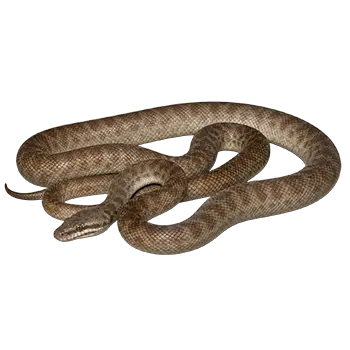

Recognizing that a Children's Python is approaching the end of its life requires careful observation and an honest assessment of the changes you are seeing. Because snakes do not express pain and decline in the overt ways that mammals do, the signs are often subtle and gradual. The most common indicators include a sustained and progressive loss of appetite that does not respond to any feeding strategies, continued weight loss despite adequate opportunities to eat, and a general withdrawal from the normal behavioral patterns that defined your snake's life.
Physical signs of terminal decline may include persistent inability to shed completely despite appropriate humidity, visible muscle wasting along the spine and ribs, labored or open-mouth breathing that does not resolve with environmental correction, and a loss of the reflexive tongue-flicking that healthy snakes exhibit constantly. The eyes may appear sunken, and the overall posture of the snake may shift from the alert, coiled readiness of a healthy animal to a limp, extended position.
In some cases, the underlying cause of decline is identifiable through veterinary diagnostics. Organ failure, advanced tumors, severe infections, or systemic disease may be confirmed through examination, blood work, or imaging. In other cases, particularly in very old snakes, the decline is simply the natural conclusion of a long life, and no specific disease process can be pinpointed. Both scenarios require the same compassionate response from the keeper.
It is important to distinguish between temporary setbacks and irreversible decline. A snake that refuses food for a few weeks during winter brumation is behaving normally. A snake that has not eaten in months, is visibly wasting, and shows no interest in its surroundings despite optimal conditions may be telling you something much more significant. Your long-term familiarity with your snake's personality and habits is your most valuable tool in making this distinction.