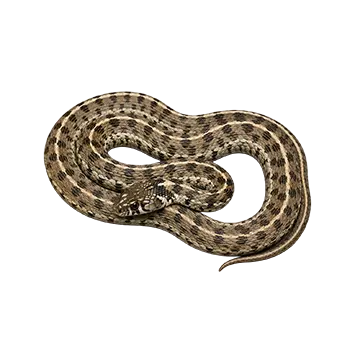

Growth Rate & Physical Development

The juvenile stage of the Checkered Garter Snake (Thamnophis marcianus) spans approximately three months of age through twelve to eighteen months, a period defined by rapid and continuous physical growth. An individual that measured six to nine inches at birth will typically reach fourteen to twenty inches by six months of age and may approach twenty-two to twenty-eight inches by the end of the first year under optimal captive conditions. Growth rates vary among individuals based on genetics, sex, feeding regimen, and environmental quality, but consistent upward trajectories in both length and weight are the hallmark of a healthy juvenile.

Sexual dimorphism begins to emerge during the juvenile period, though it remains subtle until closer to maturity. Female Checkered Garter Snakes tend to grow faster and ultimately reach greater total lengths than males, a pattern common across the Thamnophis genus. Males are generally more slender-bodied relative to their length and develop proportionally longer tails. Reliable sex determination in juveniles typically requires probing by an experienced herpetoculturist or veterinarian, as visual cues alone are insufficiently definitive at this stage. Knowing the sex of juvenile animals is useful for keepers who plan to house multiple individuals together or who intend to breed their animals in the future.

Shedding frequency during the juvenile phase is noticeably higher than in adults, reflecting the accelerated growth rate. Juveniles may shed every three to five weeks during periods of peak growth, with shed frequency gradually tapering as the growth rate decelerates toward the end of the first year. Each shed should produce a single, unbroken skin that includes the spectacle caps over the eyes and the tail tip. Incomplete or fragmented sheds at this stage are almost always attributable to insufficient humidity or chronic low-grade dehydration and should prompt an immediate review of enclosure conditions.

Body condition during the juvenile phase should be monitored closely. A healthy juvenile Checkered Garter Snake has a rounded, slightly triangular cross-section with no visible spine or rib outlines when viewed from above. The body should feel firm and muscular, not soft or flaccid. Juveniles that appear overly thin with prominent vertebral ridges may be underfed, parasitized, or experiencing chronic stress. Conversely, juveniles with a conspicuously rounded, ovoid cross-section and sluggish movement patterns may be receiving too much food or food items that are too large, both of which can lead to hepatic lipidosis and other metabolic disorders over time.

Dietary Expansion & Feeding Protocols

The juvenile period is the ideal time to establish the broad dietary repertoire that will serve the Checkered Garter Snake throughout its life. Juveniles that are transitioned to a varied diet during this developmental window are far less likely to develop the rigid food preferences that can make adult feeding challenging. A well-rounded juvenile diet should incorporate whole earthworms, nightcrawler segments, appropriately sized feeder fish from thiaminase-free species such as tilapia, trout, and guppies, chopped silversides, and pinky or fuzzy mice. Rotating among these food sources across successive feedings ensures balanced nutrient intake and reduces the risk of dietary deficiencies.

Feeding frequency should transition from the every-two-to-three-day schedule of the neonatal period to approximately every three to five days as the juvenile grows. Each meal should be proportional to the snake's body size, with individual prey items or portions roughly equivalent to one times the diameter of the snake's midsection. Offering two or three smaller items per feeding rather than a single large item is often preferable with garter snakes, as it more closely mimics their natural foraging behavior and reduces the risk of regurgitation. Juveniles should be allowed to feed until they voluntarily stop, then any uneaten food should be promptly removed.

Thiamine deficiency remains a critical concern throughout the juvenile stage for any garter snake maintained on a diet that includes fish. Thiaminase is an enzyme present in the tissues of many common feeder fish species, including goldfish, rosy red minnows, and certain baitfish, that degrades thiamine and can cause progressive neurological damage. Symptoms of thiamine deficiency include loss of coordination, inability to right themselves when turned upside down, tremors, and eventual seizures. Prevention is straightforward: use only thiaminase-free fish species and supplement fish and worm meals with a reptile-specific multivitamin powder containing B-complex vitamins once weekly.

Calcium supplementation is particularly important for juveniles that are not receiving whole rodent prey as a regular component of their diet. Whole mice and rat pups provide a complete nutritional profile including calcium, phosphorus, and fat-soluble vitamins, but fish and invertebrate diets are deficient in calcium unless supplemented. A light dusting of calcium carbonate or calcium with vitamin D3 on non-rodent prey items two to three times per month supports proper skeletal development during this phase of rapid growth. Vitamin D3 is essential for calcium metabolism, but oversupplementation can cause toxicity, so moderation and consistency are preferable to heavy, sporadic dosing.

Enclosure Upgrades & Habitat Design

As juvenile Checkered Garter Snakes grow, they will outgrow their neonatal housing and require an enclosure upgrade. The general guideline is that the enclosure's longest dimension should be at least equal to two-thirds of the snake's total length. For a juvenile measuring fifteen to twenty-five inches, an enclosure measuring approximately 24 by 12 by 12 inches or a standard 10-gallon glass aquarium with a secure, locking screen lid is appropriate. Garter snakes are active, inquisitive animals that utilize horizontal space for exploration and thermoregulation, so floor space is more important than height at this stage.

The thermal gradient established during the neonatal period should be maintained and adjusted for the larger enclosure. The warm end should provide 82 to 86 degrees Fahrenheit, and the cool end should range from 72 to 76 degrees. Under-tank heating pads remain effective for juvenile enclosures, but the thermostat probe should be positioned between the heat mat and the enclosure floor to ensure accurate temperature regulation. As the enclosure size increases, keepers may find it necessary to use a slightly larger heat mat or supplement with a low-wattage ceramic heat emitter to maintain adequate warm-side temperatures, particularly in rooms that drop below 68 degrees at night.

Substrate can be transitioned from paper towels to a more naturalistic option during the juvenile phase, provided the keeper is confident that the snake is feeding well and not at risk of ingesting substrate during meals. Aspen shavings, coconut coir, and cypress mulch are all suitable choices that allow burrowing behavior, retain moderate humidity, and are easy to spot-clean. Cedar and pine shavings must be strictly avoided, as the aromatic oils in these woods are toxic to reptiles and cause respiratory and neurological damage. Regardless of substrate type, the enclosure should be spot-cleaned after every defecation and fully stripped and disinfected every three to four weeks.

Environmental enrichment becomes increasingly important during the juvenile stage as the snake's behavioral repertoire expands. Multiple hiding spots positioned at both the warm and cool ends of the enclosure allow the snake to thermoregulate without sacrificing its sense of security. Climbing branches, artificial or live plants, and textured surfaces such as cork bark flats provide additional sensory stimulation and encourage natural exploration behaviors. A water dish large enough for the juvenile to soak in should remain a permanent fixture, as garter snakes are semi-aquatic in nature and frequently immerse themselves, particularly during pre-shed periods.

A consistent photoperiod of twelve hours of light and twelve hours of darkness should be maintained using ambient room lighting or a low-intensity LED fixture positioned on the cool end of the enclosure. Ultraviolet-B lighting is not strictly required for Checkered Garter Snakes but may confer subtle health benefits related to vitamin D3 synthesis and immune function. If UVB is provided, a low-output linear fluorescent tube rated at 2.0 to 5.0 percent UVB is sufficient, and the fixture should be positioned so the snake can choose to bask under it or retreat to a shaded area.

Behavioral Development & Socialization

Juvenile Checkered Garter Snakes undergo a significant behavioral maturation during this life stage, transitioning from the highly reactive, flight-oriented neonates into calmer, more predictable sub-adults. Defensive behaviors such as musking, striking, and body flattening typically decrease in both frequency and intensity with regular handling, though individual temperaments vary considerably. Some juveniles become remarkably tame within a few weeks of consistent socialization, while others retain a degree of nervousness well into their sub-adult phase. Patience and consistency are the most effective tools a keeper has for shaping manageable behavior.

Handling sessions during the juvenile period can be gradually extended from the two-to-five-minute neonatal sessions to ten to fifteen minutes, conducted three to four times per week. The handler should continue to approach from below rather than above, supporting the snake's full body and allowing it to move freely through the hands. Garter snakes are active handlers, meaning they tend to explore constantly rather than sit still, which many keepers find engaging and entertaining. This active disposition also means that handling must take place in a secure area where the snake cannot escape into furniture, ductwork, or other inaccessible spaces.

Communal housing is a common and generally successful practice with juvenile Checkered Garter Snakes, as the species is among the most social of all North American colubrids. Groups of similarly sized juveniles housed together will often share basking sites, huddle together under hides, and even intertwine during rest periods. However, communal housing requires vigilant feeding management to prevent competitive ingestion, a phenomenon in which one snake seizes a prey item already partially swallowed by another, leading to injury or death. The safest approach is to separate communally housed juveniles into individual containers for feeding and return them to the communal enclosure thirty minutes after the last snake has finished eating.

Juvenile Checkered Garter Snakes are diurnal and most active during daylight hours, which makes them one of the more observable and interactive snake species for keepers who enjoy watching their animals behave naturally. Activity peaks typically occur in the morning shortly after the enclosure lights activate and again in the late afternoon. During these periods, juveniles can be observed tongue-flicking, exploring, climbing, soaking, and actively hunting any live prey items that may be present. This diurnal activity pattern also makes the species an excellent choice for educational settings and for keepers who want a snake they can observe and interact with during normal waking hours.

Health Monitoring & Common Juvenile Issues

Routine health monitoring during the juvenile stage should include biweekly weight measurements, visual inspection of body condition and skin integrity after each shed, and ongoing observation of feeding behavior and fecal output. A simple spreadsheet or written log tracking these parameters over time is an invaluable diagnostic resource. Juvenile Checkered Garter Snakes should demonstrate steady weight gain on a biweekly or monthly basis, with occasional plateaus around shedding events being normal. Weight loss, stagnation over multiple consecutive weigh-ins, or erratic fluctuations warrant further investigation.

Parasitic infections remain the most common health problem encountered in juvenile garter snakes, particularly in animals that were wild-caught or born to wild-caught parents. Roundworms, hookworms, and various protozoan parasites such as Cryptosporidium and coccidia can all affect Checkered Garter Snakes. Symptoms of parasitic infection include progressive weight loss despite normal feeding, soft or mucus-laden stools, regurgitation, and lethargy. A fecal examination performed by a reptile-experienced veterinarian should be part of routine care for any juvenile garter snake, ideally conducted every six months during the first two years of life and annually thereafter.

Scale rot, clinically known as ulcerative dermatitis, is a bacterial skin infection that develops when snakes are kept in enclosures that are too damp, poorly ventilated, or infrequently cleaned. The condition presents as discolored, softened, or blistered scales, usually on the ventral surface where the snake's body contacts the substrate. Scale rot is easily prevented through proper substrate management, regular cleaning, and maintenance of appropriate humidity levels. Mild cases can often be resolved by correcting environmental conditions and applying a veterinarian-recommended topical antiseptic, but advanced cases with deep tissue involvement require systemic antibiotic therapy and professional wound care.

Respiratory infections are another concern, particularly during seasonal temperature transitions or in enclosures with inadequate ventilation. The hallmark symptoms of a respiratory infection in a garter snake are audible breathing sounds, nasal discharge, open-mouth breathing, and excessive mucus production. The snake may also tilt its head upward in an attempt to clear its airways, a behavior sometimes described as stargazing but distinct from the neurological stargazing associated with inclusion body disease. Respiratory infections are almost always secondary to husbandry problems, most commonly low ambient temperatures, excessively high humidity, or drafty enclosure placement. Correcting the underlying environmental issue is as important as treating the infection itself, and veterinary intervention with injectable or oral antibiotics is typically required for full resolution.

Preparing for the Transition to Adulthood

As juvenile Checkered Garter Snakes approach the twelve-to-eighteen-month mark, their growth rate begins to decelerate noticeably, and their body proportions shift toward the adult form. The rapid, almost weekly visible changes of early juvenility give way to more gradual lengthening and thickening. Shedding frequency decreases to approximately once every four to eight weeks, reflecting the slowed metabolic turnover of an animal approaching its mature size. This transition is a natural and healthy part of the snake's development and does not require any abrupt changes in husbandry.

Feeding frequency should be adjusted downward as growth slows, transitioning from every three to five days to approximately once every five to seven days by the time the snake approaches adult size. Continuing a juvenile feeding schedule into adulthood leads to obesity, a common and serious problem in captive garter snakes that contributes to fatty liver disease, reproductive complications, and shortened lifespan. The transition should be gradual, with the keeper monitoring body condition closely and adjusting meal size and frequency based on the individual animal's weight and activity level rather than adhering to a rigid schedule.

Enclosure planning for the adult stage should begin during late juvenility. An adult Checkered Garter Snake requires a minimum enclosure footprint of 36 by 18 inches, though larger is always preferable for this active species. Keepers who plan to house multiple adults communally will need proportionally larger enclosures with multiple basking areas, hides, and water sources to prevent competition and territorial stress. Investing in permanent adult housing before the snake reaches full size avoids the disruption and stress of a last-minute enclosure change and allows the animal to acclimate to its new environment over a period of weeks rather than being abruptly relocated.

Sex determination, if not already performed, should be confirmed by a qualified herpetoculturist or veterinarian before the snake reaches sexual maturity, which typically occurs between twelve and twenty-four months of age in males and eighteen to thirty months in females. Knowing the sex of each animal is essential for keepers housing multiple garter snakes together, as unintended breeding can occur once animals reach maturity. Females that become gravid without the keeper's awareness may experience complications if their nutritional status and environmental conditions are not optimized for the demands of gestation. Proactive sex determination allows the keeper to make informed decisions about housing arrangements, feeding protocols, and breeding intentions well in advance of sexual maturity.

Always consult a qualified professional before making any health-related decisions. This content is provided for informational reference only and should not replace professional guidance specific to your animal.