
Peak Health Maintenance

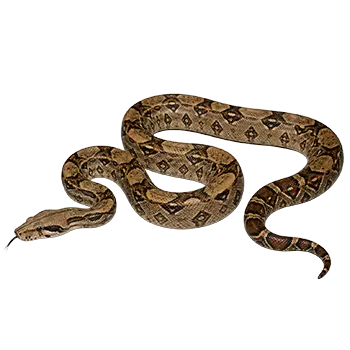
An adult boa constrictor in its prime years is a robust and impressive animal. Most boas reach physical maturity between three and four years of age, at which point their growth rate slows considerably. A healthy adult female typically measures seven to ten feet in length, while males are generally smaller at six to eight feet. Maintaining peak health during these years requires consistent attention to husbandry fundamentals: stable temperatures, appropriate humidity, clean water, and a well-maintained enclosure.

Routine health monitoring becomes a matter of observing subtle changes over time rather than tracking the rapid developmental shifts seen during the juvenile period. An adult boa in good condition will have a firm, muscular body with a visible but not prominent spine, clear eyes between sheds, smooth and intact scales, and a consistent behavioral pattern. Any departure from the snake's established behavioral baseline, such as a sudden change in activity level, prolonged hiding, or loss of appetite outside of normal seasonal variation, warrants investigation.

Annual veterinary checkups are recommended for adult boas, even when the animal appears healthy. A reptile-experienced veterinarian can perform fecal examinations for internal parasites, assess body condition, and screen for early signs of disease that may not be apparent to the keeper. Maintaining thorough records of feeding dates, shed dates, weight, and any health observations provides valuable context for veterinary consultations and helps identify trends over time.

The adult years are when the benefits of good husbandry practices established during the neonatal and juvenile periods become most apparent. A boa constrictor that was properly socialized, appropriately fed, and housed in a well-maintained environment from the start will typically be a calm, healthy, and rewarding companion throughout its prime years.

Nutrition at Maturity

Feeding an adult boa constrictor requires a significant shift in approach compared to the juvenile years. Growth has slowed dramatically, and the snake's metabolic demands have decreased accordingly. Most adult boas should be fed an appropriately sized rat every two to four weeks, depending on the size of the individual, the size of the prey item, and the snake's body condition. Overfeeding is the single most common husbandry error with adult boas and leads directly to obesity, fatty liver disease, and shortened lifespan.

The prey item should be roughly equal to the widest point of the snake's body, or slightly smaller for boas that are already at or above ideal weight. Adult boas do not need to be fed large rats or rabbits on a frequent basis. A moderate-sized meal offered at appropriate intervals maintains healthy body condition without promoting excess fat storage. The goal is to sustain the animal's weight and muscle mass, not to drive continued growth.

Seasonal feeding patterns are normal in adult boa constrictors. Many individuals naturally reduce their food intake or refuse meals entirely during the cooler months, particularly if they experience even mild seasonal temperature drops. This is a natural biological rhythm and should not be a cause for alarm in an otherwise healthy, well-conditioned animal. Attempting to force-feed or constantly offer food to a snake during a natural fast period adds unnecessary stress.

Fresh, clean water should be available at all times in a sturdy dish that the snake cannot easily tip over. Adult boas may soak in their water dish periodically, and the dish should be large enough to accommodate the snake's body comfortably. Water should be changed daily and the dish disinfected weekly. Hydration plays a critical role in maintaining healthy skin, supporting digestion, and ensuring successful shed cycles.

Enclosure & Habitat Requirements

An adult boa constrictor requires a spacious, secure, and well-designed enclosure. The minimum recommended enclosure size for an average adult boa is 6 feet long by 2 feet deep by 2 feet tall, though larger enclosures are preferable when space allows. PVC enclosures, custom-built wooden vivariums with sealed interiors, and large commercial reptile cages are all suitable options. Glass aquariums are generally not ideal for adult boas because they are difficult to heat efficiently and do not retain humidity well.

The thermal gradient remains the cornerstone of proper boa constrictor husbandry in the adult stage. Maintain a warm side of 85 to 88 degrees Fahrenheit and a cool side of 78 to 80 degrees. Nighttime temperatures can drop slightly to 75 to 78 degrees without issue. All heat sources must be controlled by a thermostat, and temperatures should be verified regularly with a reliable digital thermometer. Radiant heat panels, ceramic heat emitters, and under-tank heating are all effective options for adult enclosures.

Humidity should be maintained between 55 and 70 percent. A large water dish, proper substrate choice, and adequate ventilation will typically keep humidity within this range. During shed cycles, temporarily increasing humidity to 70 to 75 percent using light misting or a humid hide box will support a clean, complete shed. Chronic low humidity leads to retained sheds, dehydration, and respiratory irritation, while chronic excessive humidity promotes bacterial and fungal growth.

Provide at least two hide boxes appropriately sized for the adult snake, one on each end of the thermal gradient. Adult boas that feel secure in their enclosures are calmer, eat more reliably, and exhibit fewer stress behaviors. Sturdy branches or shelves can be included for climbing opportunities, though adults are less arboreal than juveniles. Ensure all decor is securely anchored, as an adult boa is powerful enough to dislodge poorly secured items and potentially injure itself.

Preventive Health Care

Preventive care for an adult boa constrictor centers on maintaining optimal husbandry conditions and conducting regular health assessments. The majority of health problems seen in adult boas are directly linked to suboptimal husbandry, particularly incorrect temperatures, inappropriate humidity, overfeeding, and poor enclosure hygiene. Addressing these fundamentals proactively is far more effective than treating problems after they arise.

Regular fecal examinations, ideally performed annually by a reptile-experienced veterinarian, can detect internal parasites before they cause clinical symptoms. Hookworms, roundworms, and flagellate protozoa are among the parasites most commonly encountered in captive boas. Early detection and treatment minimize the impact on the snake's health and prevent the spread of parasites to other animals in a collection.

Skin health should be assessed at each shed cycle. A healthy adult boa will shed its skin in one complete piece every six to ten weeks. Retained shed, particularly around the eyes, tail tip, and ventral scales, indicates that humidity or hydration is insufficient. Chronically poor sheds can lead to a buildup of retained layers, constriction of blood flow to the tail tip, and eye cap infections. If retained shed becomes a recurring issue, a thorough review of the enclosure's humidity management is necessary.

Dental health, while less commonly discussed in reptile care, is also relevant for adult boas. Mouth rot, formally known as infectious stomatitis, presents as redness, swelling, or cheesy discharge in and around the mouth. It is often secondary to injuries from rough substrate, retained prey teeth, or immunosuppression from poor husbandry. Early treatment involves improving environmental conditions and veterinary-prescribed topical or systemic antibiotics. Untreated mouth rot can progress to bone infection and systemic sepsis.

Behavioral Maturity

Adult boa constrictors are characterized by a settled and predictable temperament, assuming they were properly socialized during their juvenile years. Most adults are calm during handling, tolerant of routine enclosure maintenance, and display a reliable and manageable feeding response. The dramatic behavioral shifts and occasional defensive outbursts common in juveniles typically give way to a steady and composed demeanor in mature animals.

Adult boas are primarily crepuscular, meaning they are most active during the twilight hours of dawn and dusk. During the day, a healthy adult will typically rest in a hide or draped along a branch. Increased nighttime activity, including exploration of the enclosure, tongue-flicking, and repositioning within the thermal gradient, is entirely normal. Keepers who observe their boa only during daytime hours may underestimate the level of activity the snake engages in after dark.

Seasonal behavioral changes are common in adult boas. During the cooler months, many individuals become less active, reduce feeding, and may spend extended periods in their hides. This behavior mirrors the seasonal rhythms that wild boas experience and is a healthy natural pattern. Some keepers intentionally provide a mild cooling period during winter months to support natural behavioral cycles, particularly if they plan to breed their animals.

Handling an adult boa constrictor requires more physical awareness than handling a juvenile. A large adult boa is a powerful animal, and while the vast majority of well-socialized adults are completely docile, their size and strength demand respect. Always support the snake's body weight across both arms when handling, avoid draping a large boa around your neck, and never handle a large constrictor alone if you are uncomfortable with the animal's size. Having a second person present during handling sessions with very large individuals is a sensible precaution.

Shedding & Skin Care

Shedding in adult boa constrictors occurs less frequently than in juveniles, typically every six to ten weeks depending on the individual's health, nutrition, and environmental conditions. The pre-shed process follows a predictable pattern: the snake's coloring will dull, its belly may take on a pinkish hue, and its eyes will become cloudy or opaque, a stage commonly referred to as being in blue. During this period, the snake's vision is impaired, and it may be more defensive or reclusive than usual. Handling should be minimized during pre-shed to reduce stress.

A successful shed should result in the entire skin coming off in one continuous piece, including the eye caps. Inspect every shed skin to confirm both eye caps are present and the tail tip is intact. Missing eye caps require careful removal, which should be performed by a veterinarian or highly experienced keeper to avoid damaging the delicate tissue beneath. Retained tail tips can be soaked off in shallow warm water, but chronic retention can lead to necrosis and should be addressed through improved humidity management.

Maintaining proper humidity is the single most important factor in ensuring clean sheds. If your adult boa is consistently producing incomplete or fragmented sheds, the ambient humidity is almost certainly too low. Increasing misting frequency, adding a larger water dish, switching to a more moisture-retentive substrate, or providing a humid hide box are all effective strategies. Conversely, excessively high humidity can lead to scale rot, blister disease, and respiratory issues, so finding the appropriate balance is essential.

Between sheds, examine your boa's skin periodically for signs of injury, infection, or parasites. Healthy scales should be smooth, evenly colored, and free of blisters, discoloration, or raised bumps. Burns from unregulated heat sources, abrasions from rough substrate, and bacterial infections from unclean conditions are all preventable with attentive husbandry. Any abnormality in the skin that does not resolve with improved conditions should be evaluated by a reptile veterinarian.

Always consult a qualified professional before making any health-related decisions. This content is provided for informational reference only and should not replace professional guidance specific to your animal.