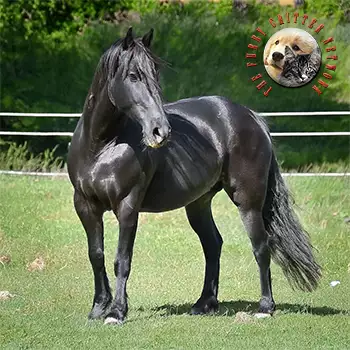

Recognizing the Signs

Recognizing when a Selle Francais is approaching the end of its life requires honest observation and a willingness to see the horse as it is rather than as it once was. The signs of terminal decline may develop gradually over months or appear more rapidly in the wake of an acute illness or injury. Common indicators include progressive weight loss despite adequate nutrition, chronic pain that no longer responds adequately to management, inability to rise or lie down without distress, and a fundamental withdrawal from engagement with the world.

The Selle Francais is a breed known for its stoic willingness, and this very quality can make it difficult to assess the depth of the horse's suffering. Horses are prey animals that instinctively mask pain and vulnerability, and the Selle Francais's cooperative nature may lead it to continue trying long after its comfort has been significantly compromised. Owners must look beyond the horse's willingness to comply and evaluate the underlying quality of its daily experience.

Changes in appetite, social behavior, and responsiveness to the environment are important behavioral indicators. A horse that was once eager at feeding time but now picks disinterestedly at its food, a horse that separates itself from herd mates it once sought out, or a horse that stands with a dull expression and lowered head for extended periods is communicating something important. These behavioral shifts, viewed in the context of the horse's medical condition and treatment history, inform the assessment of quality of life.

Consulting with your veterinarian during this period provides both medical perspective and emotional support. An experienced equine veterinarian can help you evaluate pain levels, treatment options, and prognosis with objectivity and compassion. Many veterinarians are willing to discuss end-of-life planning openly and honestly, and initiating this conversation before a crisis arises allows for thoughtful decision-making rather than decisions made under the pressure of an emergency.

Palliative & Hospice Care

Palliative care for the aging or terminally ill Selle Francais focuses on maximizing comfort and quality of life rather than curing the underlying condition. This approach acknowledges that some conditions cannot be reversed but that the horse's remaining time can be made as comfortable and dignified as possible. Palliative care may span weeks, months, or even years depending on the nature and progression of the horse's condition.

Pain management is the cornerstone of equine palliative care. Your veterinarian can develop a pain management protocol tailored to your horse's specific condition, which may include anti-inflammatory medications, analgesics, and adjunctive therapies. The goal is to maintain a level of comfort that allows the horse to eat, move, rest, and engage in normal behaviors without distress. Regular reassessment ensures that the pain management plan remains effective as the condition evolves.

Environmental modifications can significantly improve the comfort of the horse in hospice care. Deep, clean bedding cushions arthritic joints and makes lying down and rising easier. Sheltered turnout with easy access to water and feed reduces the energy expenditure required for basic needs. Companion animals, whether another horse, a goat, or a donkey, provide social comfort for a horse that can no longer manage the dynamics of a larger herd. Small adjustments to the daily routine can make a meaningful difference in the horse's experience.

Hospice care also involves caring for yourself and the people around the horse. The emotional weight of managing a terminally ill horse is significant, and allowing yourself to process the anticipatory grief that accompanies this period is important. Lean on your support network, whether that includes your veterinarian, barn community, friends, or family. The quality of care you provide during this time reflects the depth of the bond you share with your horse.

The Decision

The decision to euthanize a beloved Selle Francais is among the most difficult choices a horse owner will face. It is a decision that carries enormous emotional weight, yet it is also one of the most profound acts of compassion available to us as caretakers. The guiding principle should always be the horse's welfare, with the question framed not as whether you are ready to let go, but whether the horse's quality of life has declined to a point where continued existence causes more suffering than peace.

Many owners find it helpful to establish personal criteria for the decision in advance, while they can think clearly and without the pressure of an immediate crisis. These criteria might include the horse's ability to eat comfortably, move without severe pain, maintain basic body condition, and exhibit some interest in its surroundings. When more bad days than good days become the norm, or when the interventions required to maintain a baseline of comfort become a source of distress in themselves, the balance has often shifted.

Your veterinarian is an invaluable partner in this process. An honest conversation about prognosis, expected trajectory, and the horse's current level of comfort provides the medical context needed for informed decision-making. Veterinarians who know your horse well can offer perspective that accounts for the individual animal's baseline temperament and behavior, helping distinguish between a bad day and a fundamental decline.

There is no universally correct timing for this decision, and second-guessing is natural. Some owners fear acting too soon, while others look back and wish they had acted sooner to spare the horse additional suffering. Both perspectives reflect genuine love and concern. Trust the observations you have made, the guidance of your veterinary team, and your knowledge of your individual horse. The decision, made thoughtfully and with the horse's welfare at its center, is always an act of love.

The Process

Understanding what to expect during the euthanasia process can help reduce anxiety and allow you to be fully present for your horse during its final moments. Equine euthanasia is most commonly performed by a veterinarian through intravenous injection of a barbiturate overdose, which causes rapid loss of consciousness followed by cardiac arrest. The process is designed to be painless and peaceful for the horse.

The veterinarian will typically administer a heavy sedative first, which relaxes the horse and may cause it to become unsteady on its feet. Once the horse is deeply sedated, the euthanasia solution is administered intravenously. Loss of consciousness occurs within seconds, and the horse will collapse and fall to the ground. It is important to be prepared for this moment physically, ensuring that you and any bystanders are positioned safely. The veterinarian will guide you on where to stand.

After the horse has fallen, there may be involuntary muscle movements, including leg paddling, gasping, or twitching. These are reflexive actions that occur after consciousness has ceased and do not indicate that the horse is in pain or aware. While these movements can be distressing to witness, understanding that they are a normal physiological response can help you remain calm. The veterinarian will confirm that the heart has stopped and the process is complete.

You may choose to be present during the process or not. Neither choice is wrong. Some owners find great comfort in being with their horse at the end, offering a familiar voice and presence during the final moments. Others prefer to say goodbye beforehand and allow the veterinarian to proceed without them. Consider what feels right for you, and know that your decision does not reflect the quality of your relationship with your horse.

Aftercare Options

Aftercare decisions for the body of your Selle Francais should ideally be considered and arranged in advance, as the logistics of managing a large animal's remains require planning. Several options are available, and the best choice depends on your location, property, local regulations, personal preferences, and financial considerations. Your veterinarian can help you understand the options available in your area.

Burial on your own property is permitted in many rural areas, though local regulations vary significantly. The grave must be of adequate depth, and distance requirements from water sources, property lines, and wells typically apply. The practical reality of excavating a grave large enough for a horse requires heavy equipment, and arrangements should be made with an excavation contractor in advance. Check with your local municipality or county extension office for specific regulations in your area.

Cremation is available through equine-specific cremation services in many regions. Options typically include communal cremation, where multiple animals are cremated together and ashes are not returned, and individual cremation, where the horse is cremated alone and the ashes are returned to the owner. Individual cremation of a horse is a significant undertaking given the animal's size and is correspondingly more expensive. Some owners find comfort in having their horse's ashes returned for scattering or burial in a meaningful location.

Rendering and composting are additional options that may be available depending on your region. While these may feel less personal, they are environmentally responsible methods of body disposal. Some equine facilities have established relationships with rendering services that handle the logistics of body removal, which can be helpful during what is already an emotionally overwhelming time. Whatever option you choose, making arrangements before they are needed removes a burden during a period of acute grief.

Grief & Healing

The grief that follows the loss of a Selle Francais is real, valid, and often profound. Horses are not merely animals we care for; they are partners, companions, and members of our daily lives for decades. The relationship between a horse and its owner involves trust, shared experiences, and a depth of nonverbal communication that creates bonds of genuine emotional significance. When that bond is broken by death, the grief can be as intense as any experienced in human relationships.

Grief manifests differently in every individual. You may experience sadness, anger, guilt, numbness, disbelief, or a complex mixture of all of these. You may find yourself looking out to the pasture expecting to see your horse, or reaching for the halter before remembering. These responses are normal expressions of loss, not signs of weakness or excessive attachment. Allow yourself to grieve without judgment, and resist the urge to minimize your pain because the one you lost was an animal rather than a human.

The barn community can be a powerful source of support during this time, as fellow horse people often understand the depth of the human-equine bond in ways that others may not. Online communities, grief counseling services that specialize in pet loss, and trusted friends who have experienced similar losses can all provide comfort. If your grief feels overwhelming or unmanageable, seeking support from a professional counselor is a sign of strength and self-awareness.

Healing does not mean forgetting. Over time, the acute pain of loss gradually transforms into a gentler remembrance that honors what your Selle Francais brought to your life. Some owners find comfort in memorials, whether a planted tree, a donated bench at a riding facility, or a simple photo in a prominent place. Others channel their grief into action by supporting equine rescue organizations or mentoring young riders. However you choose to remember your horse, the love that made the loss so painful is also the foundation from which healing grows.

Always consult a qualified professional before making any health-related decisions. This content is provided for informational reference only and should not replace professional guidance specific to your animal.