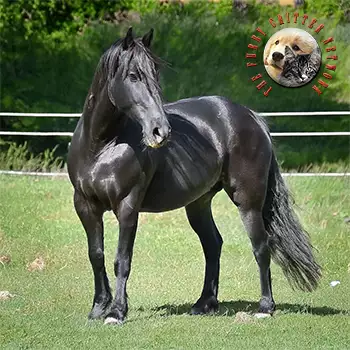

Breeding Readiness

Determining breeding readiness in the Selle Francais involves far more than simply confirming that the horse has reached sexual maturity. While mares can become fertile as early as eighteen months and stallions may be capable of breeding by two years of age, responsible breeding practices dictate waiting until both physical maturity and proven merit justify the decision. Mares are generally not bred before the age of four, allowing time for skeletal maturity and the assessment of temperament, conformation, and athletic ability.

For the Selle Francais, breeding readiness is closely tied to the breed's studbook standards and performance requirements. The Stud Book du Selle Francais places significant emphasis on sport performance records, conformation evaluations, and progeny testing. Mares and stallions considered for breeding should ideally have demonstrated their athletic capabilities in competition or through approved evaluations, contributing to the continued improvement of the breed's quality as sport horses.

A thorough breeding soundness examination by a veterinarian is essential before any breeding attempt. For the mare, this includes a reproductive tract examination using ultrasound and manual palpation, uterine culture to rule out infection, and assessment of overall health and body condition. Mares that are too thin, too fat, or dealing with unresolved health issues are less likely to conceive and carry a pregnancy successfully.

Stallion evaluation includes assessment of semen quality, libido, and reproductive tract health. Even stallions with proven performance records should undergo breeding soundness evaluation to ensure that their fertility is adequate. The logistics of breeding, whether through live cover or artificial insemination, should be planned well in advance, with consideration given to the mare's cycle timing, the stallion's availability, and the facilities required for safe and effective breeding.

The Estrous Cycle

The mare's estrous cycle is the biological framework within which all breeding decisions are made. Mares are seasonally polyestrous, meaning they cycle regularly during the longer daylight months of spring and summer and typically enter a period of reproductive inactivity during the shorter days of winter. The active breeding season generally runs from April through September in the Northern Hemisphere, though individual variation exists.

A typical estrous cycle lasts approximately 21 days, consisting of a period of receptivity to the stallion known as estrus, which lasts about five to seven days, followed by diestrus, a period of non-receptivity lasting approximately fourteen to fifteen days. Ovulation typically occurs 24 to 48 hours before the end of estrus. Precise timing of ovulation is critical for successful breeding, particularly when using shipped cooled or frozen semen, and is best determined through serial ultrasound examinations by a veterinarian.

Behavioral signs of estrus in the mare include posturing, raising the tail, frequent urination in small amounts, winking of the vulva, and receptivity when exposed to a stallion or teaser. However, behavioral signs alone are not reliable for timing breeding, as some mares show minimal outward signs despite being in full estrus, while others display estrus-like behavior outside of their fertile period. Veterinary monitoring provides the accuracy needed for optimal conception rates.

Manipulation of the mare's reproductive cycle is common in managed breeding programs. Artificial lighting programs beginning in late winter can advance the onset of cyclicity, allowing earlier breeding dates. Hormonal interventions can synchronize ovulation timing and improve the predictability of the breeding window. These techniques should be managed by an experienced equine reproduction veterinarian who can tailor the approach to the individual mare's response.

Pregnancy & Gestation

The average gestation length for the Selle Francais mare is approximately 340 days, or roughly eleven months, though individual mares may foal anywhere from 320 to 370 days with normal outcomes. Once pregnancy is confirmed, typically by ultrasound at 14 to 16 days post-ovulation, the mare enters a period of careful management aimed at supporting the developing foal while maintaining the mare's health.

During the first two-thirds of pregnancy, the mare's nutritional needs remain relatively unchanged from her non-pregnant maintenance requirements. The fetus grows slowly during this period, and the mare can typically continue in light work without concern. However, exposure to certain infectious agents, toxic plants, and some medications poses risks to the developing pregnancy, and the mare's environment and diet should be managed accordingly. Your veterinarian can advise on specific risks relevant to your region.

The final trimester brings the most rapid fetal growth and the greatest increase in the mare's nutritional demands. Energy, protein, calcium, and phosphorus requirements all increase significantly during the last three months, and the mare's diet should be adjusted to meet these demands without causing excessive weight gain. A body condition score that is moderately fleshy provides energy reserves for the demands of late pregnancy and early lactation without the complications associated with obesity.

Regular veterinary monitoring throughout pregnancy helps identify and address potential complications. Ultrasound examinations can assess fetal viability and development, while routine wellness checks ensure the mare remains in good health. Vaccination timing during pregnancy is important, as certain vaccines are administered during specific gestational windows to maximize the transfer of antibodies through colostrum. Your veterinarian will create a pregnancy management schedule tailored to your mare's individual needs.

Foaling Preparation

Preparation for foaling should begin well before the mare's expected due date. The foaling environment, whether a large, clean stall or a safe paddock area, should be ready at least two to three weeks before the anticipated foaling date, as mares can deliver earlier than expected. A foaling stall should be at minimum twelve by fourteen feet, bedded deeply with clean straw, and free of hazards such as feeders, buckets, or protrusions that could injure the mare or foal.

The mare's physical preparation includes routine hoof care, parasite management, and a booster vaccination schedule timed to maximize colostral antibody transfer. The mare's udder will typically begin developing, or bagging up, two to four weeks before foaling. Waxing of the teats, where small beads of dried colostrum appear at the teat ends, often occurs one to three days before delivery. However, these physical signs are variable, and some mares show minimal changes before foaling abruptly.

Assembling a foaling kit ensures that essential supplies are at hand when the time comes. Useful items include clean towels, antiseptic solution for the umbilical stump, a watch or phone for timing delivery stages, a flashlight, a tail wrap for the mare, and your veterinarian's emergency contact number posted prominently. Commercially available foaling alert systems, which detect changes in the mare's position or sweat patterns, can supplement but should not replace attentive monitoring during the final weeks.

Knowing the normal progression of labor is essential for recognizing when intervention is needed. Stage one labor involves restlessness, sweating, and intermittent discomfort as the foal positions for delivery. Stage two, the active delivery, should progress steadily once the amniotic sac appears, with the foal typically delivered within 20 to 30 minutes. Any deviation from this timeline, including prolonged straining without progress, a red membrane appearing instead of the normal pale amniotic sac, or presentation of anything other than two front feet followed by a nose, constitutes an emergency requiring immediate veterinary assistance.

Postpartum Care

The hours and days following foaling are a critical period for both the Selle Francais mare and her newborn. The mare should pass the placenta within three hours of delivery. A retained placenta is a veterinary emergency in horses, as it can rapidly lead to serious infection and potentially fatal laminitis. Save the placenta for veterinary examination to confirm it has been passed intact, as even a small retained fragment can cause complications.

The mare's physical recovery after foaling includes monitoring for normal uterine involution, adequate milk production, and a return to normal appetite and energy. Most mares recover quickly and focus their attention on the foal, but any signs of depression, fever, lack of appetite, abnormal vaginal discharge, or reluctance to allow the foal to nurse should prompt veterinary evaluation. The mare's nutritional demands during early lactation are among the highest of her life, exceeding even those of late pregnancy.

The mare-foal bond forms rapidly in the hours after birth, and this period should be protected from unnecessary disruption. Quiet observation from a distance allows the mare to clean, nurse, and bond with her foal without stress. Necessary interventions, such as treating the umbilical stump and confirming that the foal has nursed, should be performed calmly and efficiently. Well-intentioned but excessive handling during this sensitive period can interfere with the bonding process.

The mare will typically experience her first postpartum estrus cycle, known as foal heat, approximately seven to twelve days after foaling. Decisions about whether to breed on the foal heat should be made in consultation with your veterinarian, taking into account the mare's reproductive health, the condition of her uterus, and your overall breeding goals. Many breeders opt to skip the foal heat and breed on a subsequent cycle to allow more time for the reproductive tract to recover fully.

Responsible Breeding Ethics

Responsible breeding of the Selle Francais carries obligations that extend beyond the production of a healthy foal. The decision to breed should be guided by a genuine commitment to improving or maintaining the breed's quality, with careful consideration of the mare's and stallion's conformation, temperament, athletic ability, and health history. Breeding simply because one owns a mare and a stallion is not sufficient justification when the equine population already exceeds the demand for homes.

The Selle Francais studbook's approval and grading system exists to maintain breed standards and ensure that breeding stock meets established criteria. Engaging with the breed registry, participating in mare and stallion approvals, and breeding with registered and evaluated animals contributes to the breed's integrity and the traceability of bloodlines. These institutional structures serve important quality-control functions that benefit individual breeders and the breed as a whole.

Financial planning is an often-overlooked aspect of responsible breeding. The costs of breeding extend well beyond the stud fee to include veterinary care throughout pregnancy, foaling management, neonatal care, the mare's increased nutritional needs, and the multi-year investment required to raise a young horse to an age where it can begin its career. Unexpected complications, including pregnancy loss, dystocia, neonatal illness, or developmental problems in the foal, can increase costs substantially. A realistic budget that accounts for both expected and contingency expenses is essential.

Perhaps most importantly, responsible breeding includes a commitment to the lifetime welfare of every foal produced. This means having a plan for the foal's upbringing, education, and eventual placement in an appropriate home, as well as a willingness to take responsibility if the horse's circumstances change at any point in its life. The ethical breeder recognizes that bringing a new life into the world creates a lasting obligation that does not end when the foal is sold or placed.

Always consult a qualified professional before making any health-related decisions. This content is provided for informational reference only and should not replace professional guidance specific to your animal.