
Growth & Physical Development

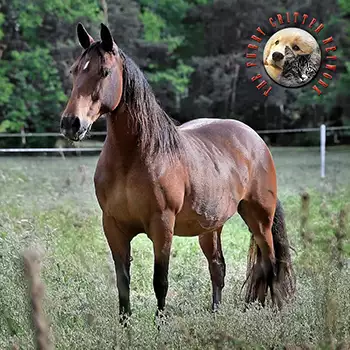
The juvenile period for a Morgan horse spans roughly from weaning at four to six months through the end of the third year, and it is a time of extraordinary physical transformation. During the first year alone, a Morgan foal may reach sixty to seventy percent of its mature height, though the body continues to fill out and develop muscular definition well into the fourth year. Morgans are compact, well-muscled horses, and the characteristic crested neck, deep chest, and strong hindquarters that define the breed become increasingly apparent as the youngster matures.

Growth in horses is not linear. Young Morgans often go through phases where they appear leggy and awkward, with the hindquarters temporarily standing higher than the withers or the body looking disproportionate. These growth spurts are entirely normal and should not cause alarm. The horse's conformation will balance out over time as different skeletal structures reach maturity at different rates. The long bones of the legs finish growing relatively early, while the spine, pelvis, and shoulder structures continue developing well into the fourth or fifth year.

Monitoring growth through regular body condition scoring and weight estimation helps ensure the young Morgan is developing appropriately. Rapid, excessive growth driven by overfeeding can place undue stress on developing joints and bones, increasing the risk of developmental orthopedic disease. Conversely, inadequate nutrition stunts growth and can compromise the horse's eventual size and soundness. The goal is steady, moderate growth that allows the skeleton and supporting tissues to develop in tandem.

Regular hoof care is essential during this period, as the rapidly growing feet need trimming every six to eight weeks to maintain proper balance and prevent angular deviations. A qualified farrier experienced with young horses can identify and correct minor hoof imbalances before they affect limb alignment. Dental development also progresses steadily through the juvenile period, with baby teeth being replaced by permanent teeth. Annual dental examinations help catch retained caps or eruption problems that could affect feeding.

Nutrition & Diet Transition

The transition from mare's milk to a fully independent diet is one of the most significant nutritional shifts in a Morgan's life. At weaning, the foal should already be eating hay and a concentrate formulated for growing horses. The diet must provide adequate protein for muscle development, calcium and phosphorus in the correct ratio for bone growth, and sufficient calories to fuel steady development without promoting excessive weight gain. Morgans are historically easy keepers, meaning they utilize feed efficiently, so rations should be carefully calibrated to avoid overconditioning.

Quality forage should form the foundation of the young Morgan's diet. Good grass hay or a grass-legume mix provides fiber, nutrients, and the chewing activity necessary for healthy digestive function. Alfalfa can be included in moderation for its high protein and calcium content, but feeding straight alfalfa to a growing Morgan may contribute to excessive weight and energy levels. Access to pasture, when available, provides both nutrition and the physical activity that supports sound development.

Concentrates or grain mixes designed for young, growing horses supplement the forage base with additional calories, protein, vitamins, and minerals. The amount fed depends on the individual horse's growth rate, body condition, forage quality, and activity level. As a general principle, it is better to feed slightly less concentrate and rely more on quality forage than to push growth with heavy grain rations. Overfeeding concentrate to young horses has been linked to metabolic and orthopedic problems that can have lasting consequences.

Fresh, clean water must be available at all times. A free-choice mineral block or loose mineral supplement appropriate for your region fills any gaps in the base diet. As the Morgan matures through the juvenile period and growth rate naturally slows, the diet should be gradually adjusted to reflect reduced nutritional demands. By two to three years of age, many Morgans can maintain excellent condition on quality forage with minimal or no concentrate, a reflection of the breed's legendary thriftiness.

Behavioral Changes

The juvenile and adolescent period brings significant behavioral shifts as the young Morgan develops its individual personality and tests social boundaries. After weaning, which is itself a major psychological event, the young horse must learn to function independently from its dam. This transition can be stressful, and temporary behavioral changes such as increased vocalization, restlessness, and decreased appetite are common and usually resolve within a week or two as the youngster adjusts.

As the Morgan enters its yearling and two-year-old years, its natural intelligence and curiosity intensify. This is the stage where many young horses become more assertive, testing boundaries with both humans and other horses. A young Morgan may become mouthy, pushy about personal space, or resistant to handling that was previously accepted without issue. These behaviors are normal developmental expressions, not signs of a bad temperament. Consistent, fair correction paired with positive reinforcement channels this energy productively.

Colts and fillies often display different behavioral trajectories during adolescence. Colts may become increasingly distracted, territorial, or aggressive as rising testosterone levels influence their behavior, particularly if they are housed near mares. Fillies may show mood changes associated with their first estrous cycles, becoming irritable or distracted at regular intervals. Understanding these hormonal influences helps caretakers respond with patience rather than frustration.

Social dynamics play a large role in shaping adolescent behavior. Young Morgans housed with peers develop important social skills through play, mutual grooming, and establishing herd hierarchy. Isolation during this period can lead to behavioral problems that surface later, including difficulty integrating with other horses, anxiety, and stereotypic behaviors such as cribbing or weaving. Whenever possible, provide the young Morgan with equine companionship and ample turnout to support healthy psychological development.

Training Priorities

Training during the juvenile period focuses on groundwork and foundational skills rather than ridden work. The Morgan's skeletal system is still developing, and the growth plates in the spine and legs have not yet closed, making it inappropriate to begin riding before the horse is physically ready. Most horsemen agree that Morgans should not carry a rider until at least three years of age, with some preferring to wait until four. The time before that is far from wasted, however, as there is an enormous amount of valuable ground-based education to accomplish.

Halter training, leading, tying, and standing for grooming and the farrier are among the earliest and most important lessons. A young Morgan that learns to yield to pressure, walk calmly beside a handler, and stand patiently while being handled is building the mental framework for all future training. These lessons should be taught through consistent repetition and positive reinforcement, keeping sessions short and ending on a successful note to maintain the horse's willing attitude.

As the young Morgan matures, more advanced groundwork can be introduced. Lunging at a walk and trot teaches the horse to respond to voice commands, maintain gait, and work on a circle. Ground driving with long lines introduces the concept of responding to rein cues without the weight of a rider. Desensitization exercises, where the horse is calmly exposed to unfamiliar objects and situations, build confidence and reduce the likelihood of spooking under saddle later. Morgans are naturally bold and trainable, and they typically take to these exercises readily.

Trailer loading is another critical skill to teach during the juvenile years. Introducing the young Morgan to the trailer in a calm, no-pressure environment long before it needs to travel reduces stress for both horse and handler. Practice loading and unloading in short sessions, rewarding the horse for each step of progress. A horse that loads confidently as a youngster will be a far more pleasant travel companion throughout its life. Throughout all training, remember that the adolescent Morgan is still maturing mentally as well as physically. Patience, consistency, and fairness are the most effective training tools at this stage.

Exercise & Activity

Exercise for the juvenile Morgan should prioritize free movement over structured work. Ample daily turnout in a safe, appropriately fenced area allows the young horse to run, play, and move at its own pace, which is the most natural and beneficial form of exercise for developing bones, joints, tendons, and muscles. Restricting a young horse to a stall for extended periods deprives it of the physical activity essential for sound structural development and can contribute to behavioral problems born of pent-up energy.

Group turnout with compatible horses of similar age adds a social dimension to exercise that benefits both body and mind. Young Morgans at play engage in sprinting, sharp turns, bucks, and mock battles that develop coordination, balance, agility, and cardiovascular fitness far more effectively than any structured exercise program could. The varied terrain found in a good-sized paddock or pasture also helps strengthen the feet and legs by exposing them to different surfaces and footing conditions.

Structured exercise should be introduced gradually and kept appropriate to the horse's age and physical development. Hand-walking over varied terrain, short lunging sessions focused on rhythm and balance rather than speed, and ponying alongside a calm, experienced horse are all suitable activities for the yearling and two-year-old Morgan. Avoid repetitive, concussive exercise on hard surfaces, and never push the young horse to the point of fatigue. Growing joints and bones are particularly susceptible to overuse injuries that may not become apparent until the horse is older.

Swimming and water play, where safely available, provide excellent low-impact exercise that builds cardiovascular fitness and muscle tone without stressing the joints. As the Morgan approaches three years of age and formal training begins, a gradual conditioning program prepares the body for the increased demands of carrying a rider. The foundation of fitness built through years of free movement and appropriate exercise gives the Morgan the best possible start for a long, sound athletic career.

Gelding Considerations

The decision of whether and when to geld a Morgan colt is one of the most significant management choices during the juvenile period. Gelding, the surgical castration of a male horse, is performed on the vast majority of colts not intended for breeding. The procedure eliminates the production of testosterone, which in turn reduces or eliminates stallion-like behaviors such as aggression, mounting, territorial marking, and distraction around mares. Geldings are generally calmer, more focused, and easier to manage than intact males, making them more suitable for most riding and driving purposes.

The timing of gelding varies based on individual circumstances and veterinary advice. Many veterinarians recommend gelding between six and eighteen months of age, after the testicles have fully descended but before stallion behaviors become deeply established. Some owners prefer to wait until the colt is a bit older, believing that the additional testosterone exposure produces a more muscular, crested appearance. However, delaying gelding too long allows behavioral patterns to become ingrained, and these behaviors may persist even after the hormones are removed.

The gelding procedure itself is routine and is typically performed under standing sedation in the field, though some veterinarians prefer general anesthesia in a clinical setting. Recovery is usually straightforward, with the horse returning to normal activity within a few days to a couple of weeks. Post-operative care includes monitoring the surgical site for excessive swelling or discharge, providing gentle daily exercise to promote drainage, and keeping the horse in a clean environment to reduce infection risk.

For owners considering keeping a Morgan colt intact for breeding, the decision should be based on a careful and objective evaluation of the horse's conformation, temperament, health history, and pedigree. The Morgan breed benefits most when only horses that genuinely exemplify breed standards are used for reproduction. Maintaining a stallion requires specialized facilities, experienced handling, and a significant commitment of time and resources. For the majority of Morgan colts, gelding is the responsible and practical choice that leads to a happier, safer life for both horse and owner.

Socialization & Exposure

Continued socialization during the juvenile and adolescent period builds on the foundation established during the foal's first weeks. The young Morgan's world should expand gradually and consistently, with new experiences introduced in a calm, positive manner. Every interaction with people, other animals, objects, and environments contributes to the horse's developing worldview and shapes how it will respond to novel situations throughout its life.

Exposure to routine farm and barn activities is essential. The young Morgan should become comfortable with tractors, wheelbarrows, hoses, clippers, spray bottles, tarps, flags, and other common objects that might otherwise become sources of fear. Introducing these items in a controlled, low-pressure setting allows the horse to investigate, habituate, and ultimately dismiss them as nonthreatening. Morgans are generally sensible and adaptable, and most youngsters accept new experiences readily when they are presented with patience and consistency.

Travel and off-property experiences are valuable socialization tools. Short trailer rides to nearby farms, trail rides in hand alongside an experienced horse, or visits to low-key events expose the young Morgan to new environments, horses, people, and stimuli. These outings build confidence and teach the horse to remain calm and focused even when surrounded by unfamiliar activity. Starting these experiences during the juvenile period, when the horse is naturally curious and adaptable, produces better outcomes than waiting until formal training begins.

Human socialization should include exposure to a variety of people beyond the primary caretaker. Children, visitors, and the farrier and veterinarian should all be part of the young Morgan's social world. A horse that is comfortable being handled by different people with different body types, voices, and handling styles will be a more reliable and versatile partner. Throughout the socialization process, the handler's own calmness and confidence are the most powerful tools. Horses are remarkably perceptive, and a young Morgan quickly learns to take its emotional cues from the humans around it.

Always consult a qualified professional before making any health-related decisions. This content is provided for informational reference only and should not replace professional guidance specific to your animal.