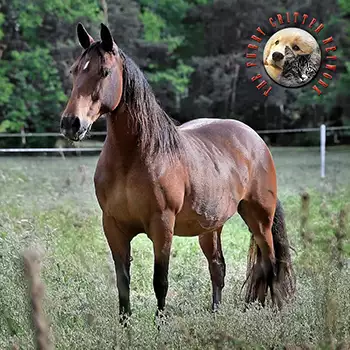

Peak Health Maintenance

The adult Morgan, generally considered to have reached full maturity between four and six years of age, enters its prime years as a strong, versatile, and willing partner. This period, which extends roughly from age five through the mid-teens, represents the horse's peak physical and mental capabilities. Maintaining that peak requires consistent attention to routine health care, environmental management, and the prevention of problems before they develop into serious conditions.

Annual veterinary wellness examinations form the backbone of adult health maintenance. Even a horse that appears perfectly healthy benefits from a thorough once-yearly checkup that includes a physical examination, dental evaluation, and discussion of vaccination and deworming protocols. Morgans are stoic horses that often mask early signs of discomfort, so professional assessment can catch subtle issues that an owner might overlook during daily interactions.

Vaccination schedules for adult horses typically include core vaccines recommended for all horses regardless of use or location, as well as risk-based vaccines determined by geographic region, travel frequency, and exposure to other horses. Your veterinarian will tailor the protocol to your Morgan's specific circumstances. Deworming strategies have evolved significantly in recent years, moving away from rotational calendar-based approaches toward targeted treatment guided by fecal egg count testing. This approach reduces unnecessary chemical exposure and helps slow the development of parasite resistance.

Skin, coat, and hoof health are daily indicators of overall wellness. A healthy adult Morgan should carry a glossy coat, maintain strong and well-shaped hooves, and exhibit bright eyes and an alert demeanor. Changes in coat quality, recurring hoof problems, or a dull, listless appearance may signal underlying nutritional deficiencies, metabolic issues, or chronic low-grade health problems that warrant investigation. Consistent, attentive daily care is the most effective tool for catching changes early.

Nutrition at Maturity

Feeding the adult Morgan requires a thoughtful approach that respects the breed's efficient metabolism. Morgans are among the most feed-efficient horse breeds, a trait inherited from their foundation stock that thrived on limited rations in early America. This characteristic, while historically advantageous, means that adult Morgans are particularly prone to obesity when fed the same rations as larger, less efficient breeds. Maintaining a healthy body condition score is one of the most important things an owner can do for their Morgan's long-term soundness and health.

Quality forage should constitute the majority of the adult Morgan's diet. Most Morgans in light to moderate work can maintain excellent condition on good grass hay or pasture alone, with little or no concentrate. When the workload increases, additional calories can be provided through measured amounts of a low-starch, low-sugar feed rather than through large grain meals. High-starch diets are associated with metabolic disturbances, gastric ulcers, and behavioral excitability, all of which are best avoided.

Pasture management deserves special attention for Morgan owners. Lush, fast-growing spring grass can deliver dangerously high levels of sugar and starch, placing the easy-keeping Morgan at risk for metabolic syndrome and laminitis. Limiting pasture access during peak growth periods, using a grazing muzzle, or providing a dry lot with measured hay are all effective strategies for controlling caloric intake without depriving the horse of turnout time. Monitor body condition regularly by palpating the ribs, crest, and tailhead rather than relying solely on visual assessment, as the Morgan's naturally round build can disguise excess weight.

Fresh water, free-choice salt, and a mineral supplement appropriate for your region round out the adult Morgan's nutritional program. Horses in heavy work, lactating mares, and horses recovering from illness may require temporary dietary adjustments. Any significant changes to the diet should be made gradually over a period of one to two weeks to allow the hindgut microbial population to adapt, reducing the risk of colic and digestive upset.

Exercise & Fitness

The adult Morgan is a remarkably versatile athlete, excelling in disciplines ranging from dressage and driving to trail riding, endurance, and western events. Maintaining fitness during the prime years involves a balanced exercise program tailored to the horse's discipline, current fitness level, and individual temperament. A well-conditioned Morgan performs better, stays sounder, recovers faster from exertion, and enjoys a higher quality of life than one that is either underworked or pushed beyond its conditioning.

A sound fitness program includes regular cardiovascular work, strength-building exercises, and flexibility training. For the typical pleasure or trail Morgan, three to five rides per week at a mix of walk, trot, and canter provides adequate cardiovascular conditioning. Hill work strengthens the hindquarters and back, while lateral movements and transitions improve suppleness and engagement. Variety in the exercise routine prevents both physical overuse injuries and mental staleness, keeping the Morgan sharp and enthusiastic about its work.

Rest and recovery are as important as the work itself. Even a fit, healthy adult Morgan benefits from regular days off, turnout on varied terrain, and periodic reductions in training intensity. Overtraining manifests as behavioral changes, resistance to work, poor appetite, weight loss, and increased susceptibility to illness and injury. Morgans are typically willing workers that try hard to please, which can make them vulnerable to being overworked by well-meaning riders who mistake compliance for readiness.

Seasonal fitness considerations also apply. Horses that have been laid up during winter or due to injury require a gradual reconditioning program rather than an immediate return to full work. A general rule of thumb is that it takes approximately as long to rebuild fitness as it took to lose it. Begin with walking under saddle, gradually reintroduce trotting and cantering, and increase duration and intensity slowly over weeks. Monitoring heart rate recovery, respiratory effort, and sweating patterns helps gauge the horse's fitness response and guides appropriate progression.

Preventive Health Care

Preventive care during the adult years focuses on maintaining the systems that keep the Morgan sound, healthy, and performing at its best. Regular farrier visits every six to eight weeks are essential, whether the horse is shod or barefoot. The Morgan's naturally strong, dense hooves often do well without shoes for light work, but horses in regular work on abrasive surfaces, those with specific hoof conformational challenges, or those competing in demanding disciplines may benefit from corrective or protective shoeing. A skilled farrier who understands the Morgan's hoof characteristics can make a significant difference in the horse's long-term soundness.

Dental care is another pillar of preventive health. Horses' teeth erupt continuously throughout life and develop sharp enamel points that can cause pain, difficulty chewing, resistance to the bit, and weight loss. Annual dental examinations, with floating as needed to smooth sharp edges and correct imbalances, maintain comfortable and efficient chewing. Some horses require more frequent dental attention, particularly those with misaligned bites, missing teeth, or a history of dental problems.

Parasite management through strategic deworming based on fecal egg count results reduces the internal parasite burden without contributing to drug resistance. Most adult horses harbor a baseline parasite load that their immune system manages effectively. Horses that shed high numbers of eggs in their feces, known as high shedders, require more frequent treatment than low shedders. Your veterinarian can classify your Morgan's shedding status and develop a targeted deworming calendar.

Eye, respiratory, and skin health should be monitored as part of routine daily care. Equine recurrent uveitis, respiratory allergies, and skin conditions such as rain rot, scratches, and insect hypersensitivity are all conditions that benefit from early detection and management. Fly control, adequate ventilation in barns, dust-free bedding, and prompt treatment of minor wounds and skin irritations prevent small problems from becoming significant health issues.

Behavioral Maturity

By the time a Morgan reaches full maturity at five to seven years of age, its core temperament and behavioral patterns are well established. The breed is celebrated for its willing, people-oriented nature, and a well-raised, properly trained adult Morgan is one of the most reliable and enjoyable horses to work with. Behavioral maturity brings increased focus, emotional stability, and a deepening of the bond between horse and handler that many owners describe as one of the most rewarding aspects of the Morgan breed.

However, maturity does not mean the horse is finished learning or that behavioral challenges never arise. Adult Morgans remain intelligent and observant, which means they continue to learn from every interaction, whether the lesson is intentional or not. Inconsistent handling, unclear cues, or inadvertent reinforcement of unwanted behaviors can create habits that become more difficult to change as the horse ages. Maintaining clear, fair, and consistent communication preserves the Morgan's cooperative attitude and prevents the development of evasions or resistance.

Changes in behavior in a previously steady adult Morgan should always prompt investigation rather than correction. Sudden spookiness, irritability, resistance to previously accepted work, or a decline in performance may indicate pain, discomfort, or illness rather than a training problem. Saddle fit issues, dental pain, gastric ulcers, musculoskeletal soreness, and vision changes are among the many physical causes of behavioral shifts in adult horses. Rule out physical causes before assuming the behavior is a training issue.

The adult years are also the ideal time to continue expanding the Morgan's experiences and capabilities. Morgans thrive on variety and mental stimulation, and introducing new disciplines, trail environments, or challenges keeps the horse engaged and enthusiastic. A Morgan that has been exposed to dressage, trail obstacles, driving, and ranch work is not only more versatile but also tends to be more mentally balanced and confident than one that has been limited to a single activity.

Dental & Grooming

Dental health and grooming are daily and seasonal responsibilities that directly affect the adult Morgan's comfort, performance, and appearance. The Morgan's teeth continue to erupt and wear throughout its adult life, and the grinding surfaces can develop sharp points, hooks, ramps, and wave patterns that interfere with efficient chewing and cause oral pain. Routine dental care, including annual or biannual examinations with floating as indicated, ensures the horse can process feed effectively and carry a bit comfortably.

Signs of dental problems include dropping partially chewed feed, tilting the head while eating, excessive salivation, reluctance to accept the bit, head tossing under saddle, and unexplained weight loss. Some horses show no obvious external signs despite significant dental pathology, which is why routine professional examinations are important even for horses that appear to be eating normally. Modern equine dentistry uses power tools and specialized instruments to address issues efficiently, and most horses tolerate the procedure well under mild sedation.

Grooming the adult Morgan serves both aesthetic and health purposes. Regular brushing removes dirt, loose hair, and dead skin while stimulating circulation and distributing natural oils through the coat. Grooming sessions also provide an opportunity to inspect the horse's body for cuts, swelling, heat, ticks, skin conditions, and other abnormalities that might otherwise go unnoticed. The Morgan's typically thick mane and tail require regular detangling and care to prevent breakage and matting.

Seasonal grooming needs shift throughout the year. Spring brings shedding season, when the heavy winter coat is replaced by a sleeker summer coat, and daily currying helps speed the process. Summer demands vigilant fly protection, sunburn prevention on light-skinned areas, and attention to sweat and grime buildup. Fall is the time to prepare for winter with blanket fitting if the horse is clipped, and winter grooming focuses on maintaining coat health and checking for rain rot, scratches, and other moisture-related skin conditions under heavy winter hair. Hoof care continues year-round, with seasonal adjustments for mud, ice, and hard ground conditions.

Always consult a qualified professional before making any health-related decisions. This content is provided for informational reference only and should not replace professional guidance specific to your animal.