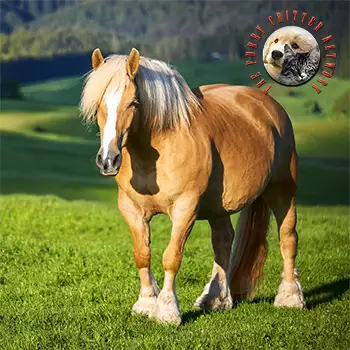

Determining when a Haflinger transitions from a mature adult to a senior horse is not as straightforward as picking a number on a calendar. While the equine industry commonly defines senior status as beginning around 15 to 20 years of age, the actual onset of aging varies significantly between individual horses based on genetics, lifetime workload, nutrition history, and overall management quality. Haflingers, as a breed, tend toward the longer-lived end of the equine spectrum, with many individuals remaining active and healthy well into their mid-twenties and some reaching 30 or beyond.
The signs of aging in a Haflinger are often subtle at first and accumulate gradually over months or years. An owner who sees their horse daily may not notice the slow graying around the eyes, the slight loss of topline muscle, or the increasing stiffness during the first few minutes of work. Periodic photographs and objective assessments of body condition, coat quality, and movement can help track changes that the daily eye might miss.
Physiologically, the senior horse experiences a gradual decline in the efficiency of multiple organ systems. The immune system becomes less responsive, making the older horse more susceptible to infections and potentially less able to mount a robust response to vaccination. The digestive system's ability to extract nutrients from feed diminishes, particularly as dental wear reduces chewing efficiency. Hormonal regulation may shift, with conditions like Pituitary Pars Intermedia Dysfunction, commonly known as Cushing's disease, becoming increasingly prevalent in horses over 15 years of age.
Recognizing the transition to senior status is important not because it signals the end of the horse's useful life, but because it marks the point at which management adjustments can have the greatest impact on extending quality of life. A Haflinger that receives age-appropriate care, including dietary modifications, adjusted exercise programs, and increased veterinary monitoring, can continue to enjoy an active and comfortable life for many years beyond the onset of senior changes.