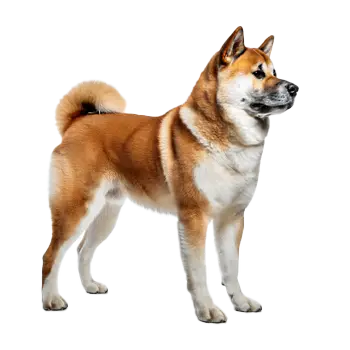

Responsible Akita breeding begins long before any mating takes place. Both the sire and dam should have completed comprehensive health screenings that address the breed's known hereditary conditions. At minimum, this includes hip and elbow evaluations through an orthopedic registry, thyroid function testing for autoimmune thyroiditis, an eye examination by a veterinary ophthalmologist, and any additional genetic tests recommended for the breed. Dogs that do not pass these screenings should not be bred, regardless of their physical beauty or pedigree.
Physical maturity is a prerequisite for breeding readiness, and this extends well beyond the onset of sexual maturity. While female Akitas may experience their first heat cycle as early as six to eight months of age, breeding should not occur until the dog has reached full physical and skeletal maturity, which in a large breed like the Akita is typically no earlier than two years of age. Males should likewise be fully mature before being used at stud, as early breeding can strain an immature body and perpetuate immature physical traits.
Temperament evaluation is an equally important component of breeding readiness that is sometimes overlooked in favor of physical attributes. The Akita's temperament — loyal, courageous, and dignified but potentially reactive — is heavily influenced by genetics. Dogs with unstable temperaments, excessive fearfulness, or unprovoked aggression should not be bred, as these traits are likely to be passed to offspring and create challenges for future owners.
Before committing to a breeding, responsible breeders also evaluate the demand for puppies, secure commitments from qualified homes, and have a plan for any puppies that do not find placement. The Akita is a powerful, complex breed that is not suited to every household, and responsible breeding includes a commitment to supporting puppy buyers throughout the dog's life and accepting returns if circumstances change.