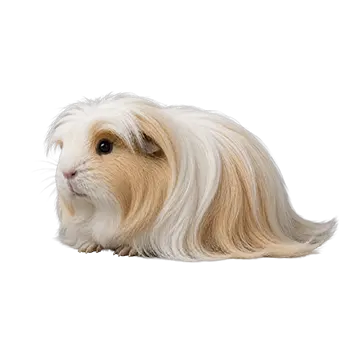

Growth & Physical Development

The juvenile period for Silkie guinea pigs spans roughly from three weeks of age through about five to six months, and it is a time of dramatic physical transformation. During this window, pups transition from small, nursing-dependent youngsters into nearly full-sized animals with the distinctive long, flowing coat that defines the breed. Growth is most rapid in the first two to three months, with healthy Silkies gaining weight steadily each week as their skeletal frame and musculature develop.

One of the most visually striking changes during the juvenile phase is the development of the Silkie coat. The short, fine baby fur gradually lengthens and takes on the silky, swept-back texture that gives the breed its name. By around three to four months, the coat will be noticeably longer and will require regular attention to prevent tangles and matting. This is a critical time to establish a grooming routine, as the coat will only continue to grow throughout the animal's life.

Bone and joint development is still actively occurring during this period, which makes proper nutrition and appropriate exercise essential. Juvenile Silkies need ample floor space to run and explore, as physical activity supports healthy musculoskeletal growth. Avoid housing young guinea pigs on wire-bottomed cages, which can cause foot injuries and contribute to a painful condition known as bumblefoot. Solid flooring with soft, absorbent bedding is the safest choice.

Monitoring growth through regular weigh-ins remains important during the juvenile stage. Weigh your Silkie at least once per week and record the results. Males typically grow slightly larger than females, reaching adult weights between 1.5 and 2.5 pounds. A sudden plateau in growth or unexplained weight loss warrants a veterinary consultation, as it may indicate dental problems, parasites, or an underlying health issue.

Nutrition & Diet Transition

The transition from a milk-supplemented diet to full independence on solid food occurs gradually during the juvenile stage. By three to four weeks of age, most Silkie pups are eating significant quantities of hay, pellets, and fresh vegetables, though some may continue to nurse occasionally if the mother permits. Weaning is typically complete by four weeks, and from this point forward, the young guinea pig's diet should consist primarily of unlimited timothy hay, measured portions of high-quality guinea pig pellets, and a daily selection of fresh vegetables.

Timothy hay should form the foundation of the juvenile Silkie's diet. It provides the fiber necessary for proper digestive function and the abrasive texture needed to keep continuously growing teeth worn to a healthy length. Young guinea pigs under six months of age may also benefit from alfalfa hay, which is higher in calcium and protein to support rapid growth. However, alfalfa should be gradually phased out and replaced entirely with timothy hay by six months to avoid excess calcium intake, which can contribute to bladder stones in adult guinea pigs.

Fresh vegetables are essential for meeting the Silkie's daily vitamin C requirement. Guinea pigs cannot manufacture vitamin C internally and must receive it through their diet every day. Bell peppers, leafy greens such as romaine lettuce and cilantro, and small amounts of parsley are excellent sources. Introduce new vegetables one at a time and in small quantities to watch for digestive upset. Avoid iceberg lettuce, which has minimal nutritional value, and limit high-sugar fruits to occasional treats.

Clean, fresh water must be available at all times. A water bottle with a sipper tube mounted at an appropriate height for the growing guinea pig is the most hygienic option, though some owners supplement with a shallow ceramic dish. Check the water bottle daily to ensure it is functioning properly, as a stuck ball valve can leave a guinea pig without water for hours. Dehydration in a young, rapidly growing animal can lead to serious health consequences very quickly.

Behavioral Changes

Adolescence brings a wave of behavioral changes that can catch first-time guinea pig owners off guard. As Silkies mature, they begin to establish social hierarchies, express individual personalities, and test boundaries in their environment. Males in particular may become more assertive, displaying behaviors such as rumblestrutting, mounting cage mates, and chattering their teeth as signs of dominance. These behaviors are a normal part of development but should be monitored to ensure they do not escalate into aggression.

Female Silkies tend to be somewhat less overtly confrontational but will still establish a pecking order among cage mates. Mild chasing, occasional nipping, and vocal posturing are all within the normal range of social negotiation. Providing adequate space, multiple food stations, and several hiding spots helps reduce tension by ensuring that no guinea pig is cornered or forced to compete for essential resources.

Vocalizations become more frequent and varied during the juvenile period. You will hear a broader repertoire of sounds including excited wheeks when food is anticipated, contented purring during gentle handling, and short, sharp chirps that may signal alarm or curiosity. Learning to interpret these sounds deepens your understanding of your Silkie's emotional state and helps you respond appropriately to its needs.

This is also the period when individual personality traits become more apparent. Some juvenile Silkies are bold explorers that eagerly investigate new toys and environments, while others are more reserved and prefer familiar routines. Respect your guinea pig's temperament and avoid forcing interactions. Patience and consistency in handling during this stage will produce a trusting, sociable adult.

Grooming & Coat Care

The Silkie's defining feature, its long, flowing coat, demands increasing attention as the juvenile grows. Unlike short-haired guinea pig breeds that require minimal grooming, the Silkie's hair grows continuously and sweeps backward from the head, eventually reaching several inches in length. Without regular maintenance, the coat will mat, trap debris, and become a source of discomfort and potential skin problems. Establishing a consistent grooming routine during adolescence makes the process easier for both the owner and the guinea pig.

Begin with gentle daily brushing using a soft-bristled brush or a small wide-toothed comb. Work through the coat slowly, starting at the tips and working toward the skin to avoid pulling on tangles. Pay particular attention to the hindquarters and underbelly, where bedding, hay, and waste are most likely to become trapped. If a mat has formed, carefully tease it apart with your fingers or use blunt-tipped scissors to cut it out rather than pulling, which can injure the skin.

Bathing should be infrequent and only performed when the coat becomes genuinely soiled beyond what brushing can address. Use lukewarm water and a gentle, guinea pig-safe shampoo. Rinse thoroughly to remove all soap residue, as leftover product can irritate the skin. Dry the Silkie completely using a soft towel and, if the guinea pig tolerates it, a hair dryer on the lowest heat setting held at a safe distance. Never return a damp guinea pig to its enclosure, as the combination of wet fur and cool air can cause a dangerous drop in body temperature.

Regular grooming sessions serve a dual purpose beyond coat maintenance. They provide an opportunity to inspect the skin for parasites, fungal infections, or irritation, and they reinforce the bond between handler and guinea pig. A juvenile Silkie that learns to associate grooming with gentle, positive interaction will be far more cooperative during adult coat care, which only becomes more involved as the hair reaches its full length.

Exercise & Enrichment

Juvenile Silkies are active, curious animals that benefit enormously from regular exercise and mental stimulation. A spacious enclosure is the starting point, with a minimum of seven and a half square feet of floor space for a single guinea pig and at least ten and a half square feet for a pair. However, enclosure space alone is not sufficient. Daily supervised floor time in a larger, guinea pig-proofed area allows adolescent Silkies to run, explore, and engage in the joyful bursts of leaping and twisting known as popcorning.

Enrichment items keep juvenile guinea pigs mentally engaged and help prevent boredom-related behaviors such as excessive chewing on cage bars or over-grooming. Tunnels, paper bags with the handles removed, untreated wooden chew blocks, and crinkle balls all provide stimulation. Rearranging the enclosure layout periodically introduces novelty and encourages exploration. Foraging enrichment, such as hiding small pieces of vegetable inside a hay pile or a paper towel roll stuffed with hay, taps into the guinea pig's natural food-seeking instincts.

Social interaction is itself a powerful form of enrichment. Guinea pigs are herd animals and thrive in the company of their own kind. If your juvenile Silkie is housed alone, prioritize spending time interacting with it daily and seriously consider adding a compatible companion. A bonded pair of guinea pigs will engage in mutual grooming, shared exploration, and vocal exchanges that provide a level of social enrichment no amount of toys can replicate.

During floor time, be mindful of the Silkie's long coat trailing along the ground. Ensure the exercise area is free of sharp objects, small items that could become tangled in the fur, and electrical cords that a curious guinea pig might chew. Supervise outdoor time closely if you choose to offer it, keeping the guinea pig in a secure pen on untreated grass and watching for signs of overheating, predators, or escape attempts.

Spay & Neuter Considerations

The question of whether to spay or neuter a juvenile Silkie guinea pig is one that deserves careful thought and veterinary guidance. Guinea pigs reach sexual maturity early, with males capable of breeding as young as three weeks and females as early as four to five weeks. If you are housing mixed-sex groups and do not intend to breed, separating males from females before sexual maturity is reached is essential to prevent unwanted pregnancies, which carry significant health risks for young females.

Neutering male guinea pigs is a relatively straightforward procedure when performed by an experienced exotic animal veterinarian. It eliminates the risk of accidental breeding, can reduce some hormonally driven behaviors such as mounting and aggression, and allows males to be housed with female companions safely after a post-surgical waiting period. The procedure is typically performed under general anesthesia, and recovery is usually quick, with most males returning to normal activity within a few days.

Spaying female guinea pigs is a more invasive abdominal surgery and carries a higher degree of risk. It is generally not performed as a routine measure unless there is a medical indication such as ovarian cysts, which are relatively common in guinea pigs as they age. The decision to spay should be made in consultation with a veterinarian who has specific experience with guinea pig surgery, as the anatomy and anesthetic requirements differ significantly from those of cats and dogs.

Regardless of whether surgical alteration is pursued, proper housing management is the most reliable method of preventing unplanned litters. House males and females separately or in same-sex groups. If you wish to keep a mixed-sex pair, neutering the male is generally the safer surgical option. Always verify the sex of your guinea pigs, ideally with veterinary confirmation, as sexing errors are surprisingly common and can lead to unexpected pregnancies.

Socialization & Exposure

The juvenile period is the optimal window for broadening a Silkie guinea pig's social experiences and building confidence in a variety of situations. While the foundation of socialization is laid during the newborn phase, adolescence is when guinea pigs become more aware of the wider world and more capable of processing new stimuli. Positive experiences during this period produce adult animals that are relaxed, handleable, and adaptable to changes in routine.

Continue and expand daily handling sessions, aiming for at least ten to fifteen minutes of calm, supportive interaction per day. Vary the context by holding your Silkie in different rooms, introducing it to new people, and allowing it to explore novel but safe environments. Pair each new experience with something positive, such as a favorite vegetable treat, to build pleasant associations. Avoid overwhelming the guinea pig with too many new stimuli at once, and always provide an accessible hiding spot where it can retreat if it feels stressed.

Introducing a juvenile Silkie to a new guinea pig companion requires a structured approach. Initial meetings should take place in a neutral space that neither animal considers its territory. Supervise closely, watching for signs of acceptance such as side-by-side grazing and mutual sniffing, as well as signs of conflict such as teeth chattering, lunging, or biting. Some posturing and dominance display is normal during introductions, but sustained aggression requires separation and a slower reintroduction process.

Exposure to routine household activities helps desensitize the juvenile Silkie to sounds and movements it will encounter throughout its life. The sound of a vacuum cleaner running in a distant room, the clatter of dishes, conversations, and music at moderate volume all contribute to building a well-adjusted pet. The goal is gradual, positive exposure rather than immersion, allowing the guinea pig to observe and acclimate at its own pace without feeling threatened.

Always consult a qualified professional before making any health-related decisions. This content is provided for informational reference only and should not replace professional guidance specific to your animal.