
Peak Health Maintenance

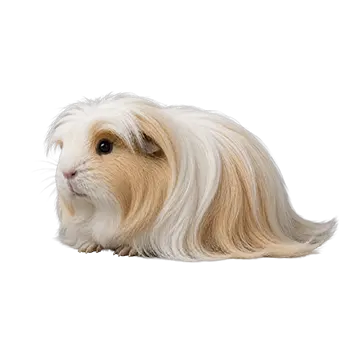
The adult years of a Silkie guinea pig, spanning roughly from six months to about four years of age, represent the period of peak vitality and established routine. During this time, your Silkie should be at a stable weight, displaying a full and lustrous coat, bright eyes, and an alert, engaged demeanor. Maintaining this level of health requires consistent daily care, a stable environment, and attentiveness to subtle changes that could signal emerging problems.

Weekly weigh-ins remain an important practice even for healthy adults. A stable weight within the normal range of 1.5 to 2.5 pounds indicates that nutrition and overall health are on track. Unexplained fluctuations of more than a few ounces in either direction over a short period should prompt a closer look at diet, dental health, and general condition. Guinea pigs are prey animals that instinctively hide signs of illness, so weight monitoring often catches problems before behavioral changes become apparent.

A clean, well-maintained habitat is foundational to good health. Spot-clean soiled bedding daily and perform a thorough enclosure cleaning at least once per week. Ensure that hay racks, water bottles, and food dishes are clean and functioning properly. The enclosure should be positioned in a room with stable temperature and humidity, away from direct sunlight, drafts, and household chemicals or aerosols that could irritate the respiratory system.

Establish a relationship with a veterinarian experienced in exotic small animal medicine. Annual wellness checkups allow for professional assessment of dental health, body condition, and organ function. These visits also provide an opportunity to discuss any concerns about behavior, appetite, or coat condition that may not seem urgent but could indicate early-stage issues worth addressing.

Nutrition at Maturity

An adult Silkie guinea pig's diet should be built on a foundation of unlimited timothy hay, which provides the fiber essential for proper digestive function and dental wear. By six months of age, the transition from alfalfa to timothy hay should be complete, as the higher calcium content of alfalfa is no longer needed and can contribute to urinary problems in mature animals. Orchard grass and meadow hay can be offered as supplements to add variety, but timothy should remain the primary forage.

Measured portions of high-quality, timothy-based guinea pig pellets provide concentrated nutrition and help ensure consistent vitamin C intake. Look for plain pellets without added seeds, dried fruit, or colorful pieces, which are typically high in sugar and low in nutritional value. An adult Silkie needs approximately one-eighth of a cup of pellets per day, though this can be adjusted based on body condition. Overweight guinea pigs may need their pellet ration reduced, while underweight animals may benefit from a slight increase along with veterinary evaluation.

Daily fresh vegetables are essential for meeting vitamin C requirements and providing dietary variety. Bell peppers, especially red and yellow varieties, are among the richest sources of vitamin C available. Romaine lettuce, endive, cilantro, and small amounts of kale round out a well-balanced vegetable rotation. Introduce new items gradually and observe for any signs of digestive upset such as soft stools or gas. High-sugar fruits like strawberries, blueberries, and apple slices should be offered sparingly as occasional treats rather than daily staples.

Vitamin C supplementation deserves special attention throughout the Silkie's life. Guinea pigs require approximately 25 to 30 milligrams of vitamin C daily, with higher amounts recommended during illness or pregnancy. This need is best met through diet rather than water additives, which degrade rapidly and alter the taste of water, potentially reducing intake. If dietary sources are insufficient, a veterinarian may recommend a direct oral supplement.

Exercise & Fitness

Adult Silkie guinea pigs need regular physical activity to maintain a healthy weight, strong muscles, and good cardiovascular function. While guinea pigs are not as energetically demanding as some pets, they are far from sedentary animals and suffer both physically and mentally when confined to a small space without opportunities for movement. A generously sized enclosure is the starting point, but daily floor time outside the cage is equally important.

Provide at least one hour of supervised floor time each day in a secure, guinea pig-proofed area. Remove or cover electrical cords, block access to small spaces where the guinea pig could become stuck, and ensure the floor surface provides adequate traction. Smooth hardwood or tile floors can be covered with fleece blankets or towels to give your Silkie confident footing. Scatter hay piles, tunnels, and safe hiding spots throughout the space to encourage exploration and movement.

The Silkie's long coat requires some consideration during exercise. Ensure the floor area is clean and free of debris that could tangle in the trailing fur. Some owners trim the coat to a more manageable length for everyday living, leaving the full show-length coat only for exhibition animals. A moderate trim around the hindquarters and underbelly can significantly reduce soiling and matting without diminishing the breed's distinctive appearance.

Social exercise with a bonded companion provides the best motivation for an adult guinea pig to stay active. Paired guinea pigs engage in chasing, mutual exploration, and playful interactions that solitary animals simply cannot replicate on their own. If your Silkie lives with a companion, observe their play to ensure it remains friendly and that one animal is not monopolizing resources or bullying the other.

Preventive Health Care

Prevention is the cornerstone of health management for adult Silkie guinea pigs. Unlike dogs and cats, guinea pigs do not require routine vaccinations, but they do benefit from consistent preventive practices that reduce the risk of common ailments. Regular veterinary checkups, a proper diet, and vigilant home observation form the three pillars of preventive care.

Dental health is a primary concern for all guinea pigs. Their teeth grow continuously throughout life, and improper wear can lead to malocclusion, which causes pain, difficulty eating, drooling, and weight loss. Unlimited hay is the single most important factor in maintaining proper dental wear, as the lateral chewing motion required to process long-strand fiber keeps the molars aligned and worn evenly. During routine handling, check the front incisors for alignment and length, and watch for signs of dental pain such as dropping food, tilting the head while chewing, or reduced appetite.

Skin and coat health in Silkies requires particular vigilance due to their long fur. Parasites such as mites and lice can establish themselves beneath the dense coat before becoming externally visible. Symptoms include excessive scratching, hair loss, flaky skin, and scabs. Fungal infections such as ringworm also occur in guinea pigs and present as circular patches of hair loss with reddened or crusty skin. Any suspicion of parasites or fungal infection warrants prompt veterinary treatment, as these conditions cause significant discomfort and can spread to other animals and humans.

Urinary tract health is another area requiring attention. Guinea pigs are prone to developing bladder stones and sludge, particularly when their diet is excessively high in calcium. Ensuring the diet is based on timothy rather than alfalfa hay, avoiding calcium-heavy vegetables like spinach in large quantities, and providing ample fresh water all help reduce this risk. Watch for signs of urinary distress including squeaking during urination, blood in the urine, or straining, and seek veterinary care promptly if these occur.

Behavioral Maturity

By the time a Silkie guinea pig reaches full adulthood, its personality is well established and its behavioral patterns are largely predictable. Adult Silkies are typically calm, gentle animals that bond closely with their owners and cage mates. They recognize familiar voices and routines, often greeting their caregivers with enthusiastic vocalizations at feeding time or when they hear the rustle of a vegetable bag. This predictability makes the adult years particularly rewarding for owners who have invested in socialization during the earlier life stages.

Social dynamics between adult guinea pigs housed together tend to stabilize during this period, though occasional disputes can still arise, especially if the environment changes or a new animal is introduced. Established pairs or groups generally maintain their hierarchy through subtle body language and vocalizations rather than physical confrontation. If you notice a sudden increase in aggression between previously bonded adults, investigate potential triggers such as pain, illness, a change in enclosure layout, or an environmental stressor.

Adult Silkies express contentment through a range of behaviors that owners learn to recognize over time. Popcorning, though less frequent than in juveniles, still occurs during moments of excitement. Quiet purring during gentle petting indicates relaxation and trust. Stretching out flat on the enclosure floor, sometimes called splatting, is a sign that the guinea pig feels safe and comfortable in its environment. Conversely, sustained freezing, teeth chattering, and persistent hiding may indicate stress, pain, or fear and should be investigated.

Mental stimulation remains important for adult guinea pigs. While they may be less frenetically curious than juveniles, adults still benefit from foraging opportunities, novel safe items to investigate, and varied social interaction. Rotate toys and enrichment items periodically, and continue daily handling sessions to maintain the bond between guinea pig and caregiver.

Dental & Grooming

The adult Silkie's grooming needs are among the most demanding of any guinea pig breed, and consistent coat care is non-negotiable for maintaining skin health and comfort. The long, flowing hair that defines the breed grows continuously and, if neglected, will mat into dense tangles that pull on the skin, trap moisture, and create an environment conducive to bacterial and fungal infections. A daily brushing routine is ideal, though at minimum the coat should be thoroughly combed every two to three days.

Use a wide-toothed comb or a soft slicker brush designed for small animals. Work through the coat in sections, holding the hair near the skin to minimize pulling while you gently detangle from the tips downward. The area around the rear and between the hind legs is the most prone to soiling and matting, so give this region extra attention. Many Silkie owners find that trimming the hair in this area to a shorter length significantly reduces maintenance without affecting the breed's overall appearance.

Bathing an adult Silkie should be done only when necessary, typically no more than once every few months unless the coat becomes heavily soiled. Use lukewarm water and a gentle, fragrance-free shampoo formulated for small animals. Rinse thoroughly and dry completely before returning the guinea pig to its enclosure. A thorough towel drying followed by careful use of a low-heat hair dryer is the safest approach. Guinea pigs are highly susceptible to respiratory illness when exposed to cold and dampness, so ensuring the animal is fully dry is essential.

Dental care complements coat grooming as a critical component of adult Silkie maintenance. Check the incisors regularly for proper alignment and length during grooming sessions. Provide an ample supply of timothy hay and untreated wooden chew items to promote natural dental wear. If you notice overgrown or misaligned teeth, drooling, or difficulty eating, schedule a veterinary dental examination promptly. Dental problems in guinea pigs can escalate rapidly and lead to serious secondary health issues if left untreated.

Always consult a qualified professional before making any health-related decisions. This content is provided for informational reference only and should not replace professional guidance specific to your animal.