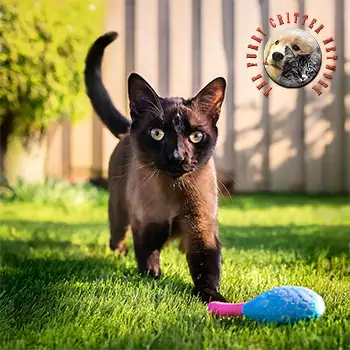

Responsible Tonkinese breeding begins long before any mating takes place. Both the queen and the stud should be in excellent overall health, fully vaccinated, and screened for hereditary conditions relevant to the breed. A pre-breeding veterinary examination should confirm that the queen is at an appropriate weight, free from infectious disease, and structurally sound for carrying and delivering kittens safely.
Age is an important factor in breeding readiness. While Tonkinese females may reach sexual maturity as early as five to six months, breeding should not occur until the queen is physically and emotionally mature — typically no earlier than twelve to eighteen months of age. Breeding a cat that is too young increases the risk of complications during pregnancy and delivery and can compromise the health of both the mother and her kittens.
Genetic testing is a critical component of responsible breeding preparation. Tonkinese breeders should be familiar with the breed's unique genetics, particularly the three coat patterns — solid, mink, and pointed — which are determined by the interaction of the Burmese and Siamese color genes. Understanding these genetics helps breeders predict litter outcomes and make informed pairing decisions. Additionally, screening for conditions such as progressive retinal atrophy and blood type incompatibility helps reduce the transmission of preventable health issues.
The decision to breed should be driven by a commitment to improving the breed rather than financial motivation. Responsible breeding is expensive, time-consuming, and carries inherent risks to the queen's health. Prospective breeders should have established relationships with experienced mentors, a thorough understanding of the breed standard, and a clear plan for placing kittens in qualified, committed homes.