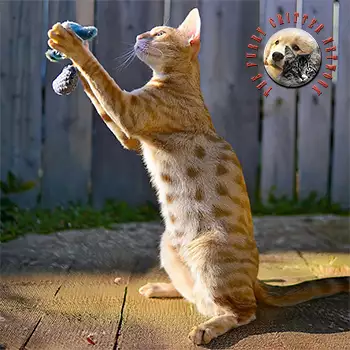

The juvenile stage for a Savannah cat is marked by rapid and sometimes dramatic physical growth. Unlike many domestic cat breeds that reach near-adult size by their first birthday, Savannahs can continue growing until they are two to three years old, with earlier generations often taking even longer to reach full maturity. During the juvenile months, which span roughly from three months to one year of age, owners will notice significant changes in leg length, body proportion, and overall musculature. The characteristically long legs and lean torso of the breed begin to take shape during this period.
Weight gain should be steady and consistent throughout adolescence. Regular weigh-ins, ideally weekly, help track progress and catch any plateaus or sudden drops that might indicate a health concern. Savannah kittens in the F1 through F3 generations may grow considerably larger than later-generation kittens, with some males eventually exceeding 20 pounds at maturity. However, growth rates vary widely between individuals, and comparing one kitten's trajectory to breed averages should be done cautiously.
The coat pattern continues to develop and refine during this stage. Spots may become more defined, contrast may deepen, and the golden or tawny base color often becomes richer as the kitten matures. The distinctive ocelli markings on the back of the ears become more prominent. Owners sometimes notice a somewhat gangly or awkward appearance during adolescence as the kitten's legs grow faster than the rest of its body, but this phase is temporary and resolves as proportions even out.
Skeletal development is a key concern during rapid growth. Proper nutrition that supports bone density without encouraging excessive weight gain helps prevent developmental orthopedic issues. Overfeeding during this stage can place unnecessary strain on growing joints and bones, while underfeeding can slow development and compromise immune function. A balanced approach guided by veterinary input ensures the kitten grows at a healthy pace.