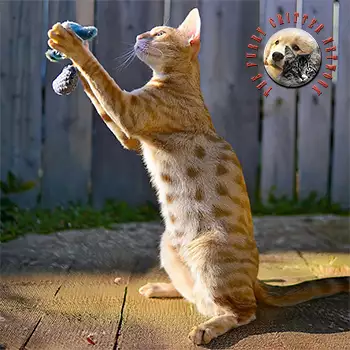

A Savannah cat reaches full physical maturity between two and three years of age, entering a period of peak health and vitality that can last well into its early teens with proper care. During these prime years, the focus shifts from developmental support to maintenance and prevention. Establishing a consistent wellness routine during this stage lays the groundwork for a long and healthy life. Annual veterinary examinations are the cornerstone of preventive care, providing opportunities to catch subtle changes before they develop into serious conditions.
Maintaining a healthy body weight is one of the most impactful things an owner can do for an adult Savannah's long-term health. Obesity in cats contributes to diabetes, joint disease, hepatic lipidosis, and a shortened lifespan. Because Savannahs are naturally lean and athletic, even moderate weight gain can be significant. Regular weigh-ins at home, combined with body condition scoring during veterinary visits, help keep weight on track. If weight begins to creep up, adjusting portion sizes or increasing activity is preferable to waiting until the problem becomes entrenched.
Parasite prevention should continue year-round, even for indoor-only Savannahs. Fleas, ticks, and intestinal parasites can enter the home through windows, shoes, and other pets. Monthly preventive treatments recommended by a veterinarian protect against these threats with minimal effort. Heartworm prevention, while more commonly associated with dogs, is also recommended for cats in many regions, as heartworm disease in cats can be fatal and has no approved treatment.
Vaccination boosters are administered on a schedule determined by the veterinarian based on the cat's lifestyle, risk factors, and local disease prevalence. Core vaccines are typically boosted every one to three years, while non-core vaccines are given based on individual exposure risk. Keeping vaccination records current ensures uninterrupted protection and simplifies boarding, travel, and any future veterinary emergencies.