
Determining whether a Japanese Bobtail is ready for breeding involves far more than simply confirming that the cat has reached sexual maturity. While females may experience their first estrus cycle as early as five to six months of age and males can produce viable sperm by seven to eight months, responsible breeding requires waiting until the cat is physically and emotionally mature enough to handle the demands of reproduction. Most experienced breeders recommend waiting until a female is at least eighteen months to two years old before her first breeding, allowing her skeletal and muscular systems to reach full development.
Health screening before breeding is an essential step that protects both the breeding cats and their future offspring. Both the queen and the stud should be tested for feline leukemia virus and feline immunodeficiency virus, and their vaccination records should be current. A thorough veterinary examination assessing overall health, body condition, dental health, and reproductive soundness provides the green light to proceed. Any cat with a significant health issue or unknown genetic background should not be bred.
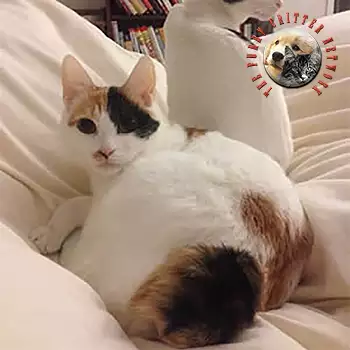
The Japanese Bobtail's signature bobbed tail is a naturally occurring genetic trait, not a defect, and it breeds true when both parents carry the gene. Understanding the genetics behind the tail is important for breeders, as the tail structure varies from cat to cat. Each tail is a unique combination of curves, angles, and kinks that creates the characteristic pom-pom appearance. Responsible breeders select for tail structure, overall conformation, temperament, and genetic diversity rather than focusing on a single trait.
Temperament evaluation is a critical but often undervalued component of breeding readiness. The Japanese Bobtail is prized for its outgoing, friendly, and vocal personality, and these traits should be present and well-established in any cat considered for a breeding program. Cats that are excessively fearful, aggressive, or antisocial should not be bred, as temperament has a significant hereditary component and these traits can be passed to offspring.