
Peak Health Maintenance

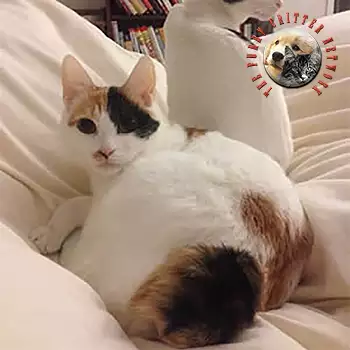
The adult Japanese Bobtail, typically considered fully mature between one and seven years of age, is a picture of athletic grace and robust health. This breed benefits from a strong genetic foundation with relatively few breed-specific health issues compared to many pedigreed cats. However, maintaining peak condition during the prime years requires consistent attention to preventive care, diet, and environmental enrichment.

Annual veterinary wellness examinations form the cornerstone of adult health maintenance. Even when your Bobtail appears perfectly healthy, a yearly checkup allows the veterinarian to assess body condition, listen for heart abnormalities, check dental health, and screen for early signs of conditions that are not yet visible at home. Blood work panels performed annually or biannually establish baseline values that become invaluable reference points as the cat ages.

Vaccination boosters should be administered according to the schedule established by your veterinarian, which typically includes core vaccines at one- to three-year intervals depending on the specific vaccine and your cat's risk profile. Indoor-only cats may require fewer non-core vaccines, but core protection against panleukopenia, calicivirus, and rhinotracheitis remains important regardless of lifestyle.

Parasite prevention is a year-round commitment even for indoor cats. Fleas, ticks, and intestinal parasites can enter the home on clothing, shoes, or through screened windows. A monthly broad-spectrum preventive recommended by your veterinarian provides protection against common external and internal parasites without the need for multiple separate treatments.

Nutrition at Maturity

Transitioning from kitten food to a high-quality adult formula around twelve months of age ensures that your Japanese Bobtail receives nutrition calibrated for maintenance rather than growth. Adult cat food contains lower levels of calories, protein, and certain minerals compared to kitten formulas, which helps prevent excessive weight gain now that the rapid growth phase has ended. Look for foods where a named animal protein is the primary ingredient and that meet the nutritional standards established by recognized pet food authorities.

Portion control becomes increasingly important during the adult years. Japanese Bobtails are an active breed and typically maintain a lean body condition more easily than sedentary breeds, but individual cats vary. Feed measured portions twice daily rather than free-feeding, and adjust amounts based on body condition rather than relying solely on package guidelines, which are general estimates. Your cat should have a visible waist when viewed from above and ribs that can be felt without pressing through a thick layer of fat.

The balance between wet and dry food is a personal choice influenced by your cat's preferences, dental health, and hydration needs. Wet food provides significant moisture content, which supports urinary tract health in a species that evolved to obtain most of its water from prey. Dry food offers dental benefits and convenience. Many owners find that a combination of both works well, offering wet food at mealtimes and a small amount of dry food for enrichment through puzzle feeders.

Treats should comprise no more than ten percent of daily caloric intake. Use small, high-value treats strategically for training reinforcement or bonding rather than as casual handouts. Japanese Bobtails are intelligent and food-motivated, which makes treats an effective training tool, but overuse contributes to caloric excess and can create demanding begging behaviors.

Exercise & Fitness

Adult Japanese Bobtails retain the playful, athletic energy that characterizes the breed throughout their prime years. Unlike some breeds that settle into sedentary habits after kittenhood, Bobtails remain enthusiastic participants in play well into maturity. Their strong hind legs and lean build make them natural athletes, and maintaining their fitness through regular activity supports cardiovascular health, muscle tone, joint flexibility, and mental well-being.

Structured play sessions remain important for adult Bobtails, even though their energy may be slightly less explosive than during adolescence. Two daily interactive play sessions of ten to fifteen minutes each keep the cat physically engaged and strengthen the bond between cat and owner. Rotate toys regularly to maintain novelty, as even the most beloved toy can lose its appeal after weeks of continuous availability.

The breed's unusual fondness for fetching can serve as an excellent exercise routine throughout adulthood. Small, lightweight toys that can be tossed down a hallway provide both sprinting exercise and the mental satisfaction of the retrieve-and-return sequence. Some Japanese Bobtails also enjoy supervised water play, batting at dripping faucets or fishing toys from shallow water dishes, which provides unusual sensory stimulation.

Environmental design plays a significant role in an adult cat's daily activity level. Vertical spaces including cat trees, shelving systems, and window perches encourage climbing and jumping throughout the day, even when direct human interaction is not available. Placing food, water, litter boxes, and resting spots on different levels of the home encourages movement between floors and prevents the sedentary pattern of having everything within a few steps of a single resting spot.

Preventive Health Care

Preventive care during the adult years focuses on catching potential health issues early, when they are most manageable and least costly to address. Japanese Bobtails are not prone to many of the genetic conditions that affect other pedigreed breeds, but they share the common feline vulnerabilities to dental disease, urinary tract issues, and obesity-related conditions that benefit from proactive monitoring.

Dental health deserves particular attention, as periodontal disease affects the majority of cats over three years of age. Annual dental assessments during wellness exams can identify tartar buildup, gingivitis, and tooth resorption before they progress to painful, advanced stages. Your veterinarian may recommend professional dental cleanings under anesthesia at intervals determined by your cat's individual dental health. At home, gradual introduction of tooth brushing with feline-specific toothpaste can significantly slow the progression of dental disease.

Urinary tract health is a common concern in adult cats, particularly males. Monitoring litter box habits for changes in frequency, volume, straining, or the presence of blood provides early warning of urinary issues. Ensuring adequate water intake through wet food, fresh water sources, and fountain-style bowls supports urinary tract function. Any change in urination patterns should be reported to your veterinarian promptly, as urinary blockages in male cats constitute a medical emergency.

Weight monitoring at home between veterinary visits provides an ongoing picture of your cat's condition. A sudden change of even half a pound in a cat that normally weighs eight pounds represents a significant percentage shift that may indicate thyroid issues, diabetes, or other metabolic changes. A small digital scale that records your cat's weight weekly allows trends to be identified before they become clinically obvious.

Behavioral Maturity

By the time a Japanese Bobtail reaches full adulthood, its personality is well established, and the breed's signature traits are on full display. These are vocal, communicative cats that form deep bonds with their families and thrive on interaction. An adult Bobtail that has been properly socialized will greet visitors with curiosity rather than fear, follow household members from room to room, and actively seek out opportunities for companionship and play.

The breed's intelligence, which made training easier during the juvenile period, continues to influence daily life in adulthood. Adult Bobtails are problem solvers who can learn to open cabinet doors, operate simple latches, and figure out puzzle toys with impressive speed. This intelligence means they can also become bored if their environment lacks sufficient mental stimulation, leading to behaviors like excessive vocalization, overgrooming, or creative mischief.

Social needs remain high throughout the prime years. Japanese Bobtails do not do well as solitary cats left alone for extended periods. If your lifestyle involves long work hours, a second cat can provide companionship and social interaction during your absence. The breed generally integrates well with other cats and even with cat-friendly dogs, though individual temperaments vary and introductions should always be managed thoughtfully.

Stress management is an important aspect of behavioral health in adult cats. Changes in routine, new household members, renovations, or even rearranged furniture can trigger stress responses in sensitive cats. Japanese Bobtails tend to be adaptable, but providing consistency in feeding times, play routines, and access to safe resting spots helps maintain emotional equilibrium during periods of change.

Dental & Grooming

The Japanese Bobtail's coat is one of the breed's most practical features from a grooming perspective. Whether short or long, the coat has minimal undercoat, which means significantly less matting and shedding than double-coated breeds. Regular grooming remains beneficial, however, both for coat health and as a bonding activity that allows you to check for skin issues, lumps, parasites, or injuries that might otherwise go unnoticed.

Shorthaired Japanese Bobtails require only a weekly brushing with a fine-toothed comb or soft brush to remove loose hair and distribute natural skin oils. Longhaired Bobtails benefit from two to three brushings per week, with particular attention to areas where the longer fur can tangle, such as behind the ears, under the legs, and around the rump near the distinctive bobbed tail. The silky texture of the breed's coat is naturally resistant to matting, but regular grooming prevents any accumulation of loose fur and debris.

Nail trimming should be performed every two to three weeks, or as needed based on how quickly your cat's claws grow and how much they are worn down through scratching post use. Using sharp, cat-specific nail clippers and trimming only the transparent tip avoids cutting into the quick, which is painful and causes bleeding. If your Bobtail was handled regularly during kittenhood, nail trimming is typically a calm and straightforward process.

Ear cleaning and eye care are additional components of the grooming routine. Check the ears weekly for wax buildup, debris, or signs of infection such as redness, odor, or excessive scratching. A gentle wipe with a cotton ball dampened with a veterinarian-recommended ear cleaner keeps the ears healthy. The breed's large, expressive eyes should be checked for discharge, and any crusting at the corners can be gently removed with a damp, soft cloth.

Always consult a qualified professional before making any health-related decisions. This content is provided for informational reference only and should not replace professional guidance specific to your animal.