
Breeding Ethics & Responsibilities

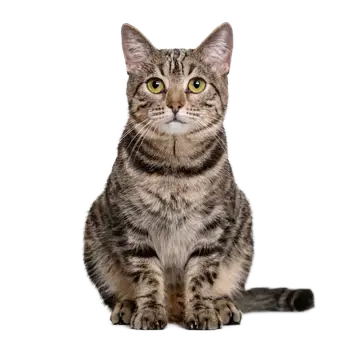
Breeding the European Shorthair carries a distinct set of ethical obligations rooted in the breed's unique status as one of Europe's few naturally developed pedigreed cat breeds. Unlike breeds that were engineered through decades of selective crossbreeding for extreme physical traits, the European Shorthair evolved organically from the working cat populations of continental Europe. Its recognition by the Federation Internationale Feline as a distinct breed, separate from the British Shorthair and other shorthaired varieties, placed a formal responsibility on breeders to preserve the natural type without introducing artificial exaggerations.

Responsible breeding begins with a clear understanding of purpose. Every planned litter should aim to produce kittens that represent the breed standard in health, temperament, and conformation while maintaining the broad genetic diversity that is one of the European Shorthair's greatest strengths. Breeding purely for profit, to produce fashionable colors, or without regard for the welfare of the queen and her offspring is incompatible with ethical practice. Before committing to a breeding program, ensure that you have the financial resources, veterinary support, time, and expertise to manage pregnancy, whelping, and the care and placement of every kitten.

A responsible breeder also considers the broader context of feline overpopulation. Millions of healthy cats enter shelters annually, and every litter produced by a breeder occupies homes that might otherwise adopt shelter cats. This reality does not prohibit breeding but does demand that it be conducted with intention, planning, and a commitment to placing every kitten in a thoroughly vetted, permanent home. Contracts that require the return of the cat to the breeder if the owner can no longer keep it are a hallmark of responsible placement.

Building relationships with a breed club, mentor breeders, and a veterinarian experienced in feline reproduction is essential for anyone entering a European Shorthair breeding program. These connections provide guidance on navigating health testing protocols, breed standard interpretation, pedigree analysis, and the practical challenges of managing a cattery. The European Shorthair breeding community, while smaller than those of some more popular breeds, is knowledgeable and generally welcoming to newcomers who demonstrate a genuine commitment to the breed's welfare.

Genetic Health & Pre-Breeding Screening

Comprehensive health screening of both the queen and the stud prior to mating is a non-negotiable element of responsible European Shorthair breeding. While this breed benefits from a naturally deep gene pool that reduces the prevalence of many hereditary conditions seen in more narrowly bred populations, no breed is entirely free of genetic risk. Pre-breeding evaluation identifies health concerns that could be passed to offspring and helps breeders make informed decisions about which pairings will produce the healthiest kittens.

Cardiac screening via echocardiography should be performed on all breeding cats to check for hypertrophic cardiomyopathy, the most common heart disease in domestic cats. Although hypertrophic cardiomyopathy has a known genetic basis in certain breeds with identified mutations, it can occur in any breed, including the European Shorthair. An echocardiogram performed by a board-certified veterinary cardiologist provides the most reliable assessment of cardiac structure and function. Cats with confirmed hypertrophic cardiomyopathy should be removed from breeding programs to prevent transmission of the condition.

Screening for feline leukemia virus and feline immunodeficiency virus is mandatory before any breeding takes place. Both viruses can be transmitted from queen to kittens during gestation, birth, or nursing, and both carry serious health implications for infected animals. Blood testing for these retroviruses should be performed within thirty days of the planned mating, even if the cat was previously tested, to account for the possibility of recent exposure. Only cats that test negative should be bred.

Blood typing is an important but often overlooked component of pre-breeding screening in cats. Feline blood types, classified as A, B, or AB, have implications for neonatal health. If a type-B queen is bred to a type-A stud, the resulting type-A kittens can develop neonatal isoerythrolysis, a life-threatening condition in which the mother's colostral antibodies destroy the kitten's red blood cells. While type B is less common in European Shorthairs than in some other breeds, it does occur, and blood typing both parents allows breeders to identify and manage incompatible pairings before kittens are at risk.

The Estrous Cycle & Mating

The domestic cat is a seasonally polyestrous species, meaning that queens cycle repeatedly during periods of increasing daylight, typically from late winter through early autumn in the Northern Hemisphere. Indoor cats exposed to extended artificial lighting may cycle year-round. The European Shorthair queen generally reaches sexual maturity between six and nine months of age, though this varies with individual development, nutrition, and photoperiod exposure. Responsible breeders typically wait until the queen is at least twelve to eighteen months old and has achieved full physical maturity before her first breeding.

The feline estrous cycle consists of several distinct phases. Proestrus, lasting one to two days, is characterized by increased affection, restlessness, and rubbing behavior, but the queen will not yet accept the male. Estrus, the receptive phase, follows and typically lasts five to seven days. During estrus, the queen displays unmistakable behavioral signs including loud, persistent vocalization, lordosis posture with the tail deflected to one side, treading of the hind feet, and rolling on the floor. These behaviors are hormonally driven and can be intense in European Shorthairs, a breed with strong natural reproductive instincts.

Cats are induced ovulators, meaning that the physical act of mating triggers the release of eggs from the ovaries. Multiple matings over the course of estrus increase the likelihood of adequate hormonal stimulation for ovulation. Breeders typically allow the queen and stud to interact over two to three days, during which multiple matings occur. The mating act itself is brief and concluded by the queen's characteristic withdrawal reaction, a sharp vocalization and swatting at the male, which is a normal response to the barbed structure of the feline penis that stimulates ovulation.

If ovulation occurs but fertilization does not, the queen enters a pseudopregnancy lasting approximately thirty-five to forty days before cycling again. If ovulation does not occur at all, the queen typically returns to estrus within two to three weeks. Monitoring the queen's behavior and working with your veterinarian to confirm pregnancy through ultrasound examination at approximately twenty-five to thirty days post-mating allows you to plan appropriately for either outcome.

Pregnancy & Prenatal Care

Feline gestation in the European Shorthair averages sixty-three to sixty-seven days from the date of successful mating, with sixty-five days being the most common duration. Confirming pregnancy is possible through abdominal palpation by an experienced veterinarian as early as seventeen to twenty-one days post-mating, though ultrasound examination at twenty-five to thirty days provides a more reliable confirmation and an initial count of developing fetuses. Radiographic imaging after approximately forty-five days reveals the mineralized fetal skeletons and gives a definitive count of expected kittens, which is valuable information for monitoring the progress of labor.

The pregnant queen's nutritional demands increase progressively throughout gestation. During the first two-thirds of pregnancy, caloric requirements rise modestly, and the queen can continue eating her regular high-quality adult food in slightly increased amounts. During the final trimester, energy needs accelerate as the fetuses undergo their most rapid growth, and many veterinarians recommend transitioning the queen to a kitten-formula food, which provides the elevated protein, fat, and caloric density she requires. Feed small, frequent meals during the later stages of pregnancy, as the growing uterus compresses the stomach and reduces the capacity for large meals.

Veterinary prenatal visits should occur at least twice during pregnancy, once to confirm gestation and evaluate the queen's baseline health, and again in the final week to assess fetal positioning and discuss whelping preparations. Blood work and urinalysis at the initial visit verify that the queen's organ function and hydration are adequate to support the demands of pregnancy. Vaccination and deworming should be current before breeding, as many vaccines and antiparasitic agents are contraindicated during pregnancy.

Monitor the queen's behavior and physical condition daily throughout gestation. Normal signs of advancing pregnancy include gradual abdominal enlargement, mammary gland development and pinkening of the nipples, increased appetite, and, in the final days, nesting behavior such as seeking out enclosed, quiet spaces. Concerning signs that warrant immediate veterinary contact include vaginal discharge, especially if malodorous or bloody, sudden loss of appetite, lethargy, fever, or any indication of abdominal pain. Pregnancy complications such as uterine infection, ectopic pregnancy, and fetal resorption are uncommon in healthy European Shorthairs but require prompt intervention when they do occur.

Whelping Preparation & Delivery

Preparation for whelping should begin at least two weeks before the expected delivery date. Set up a whelping box in a quiet, warm, low-traffic area of the home where the queen can deliver and nurse her kittens without disturbance. The box should be large enough for the queen to stretch out comfortably with room for a litter of up to six kittens, with sides high enough to contain the neonates but low enough for the queen to step in and out easily. Line the box with clean towels or disposable absorbent pads that can be changed frequently during and after delivery.

Assemble a whelping kit in advance. Essential supplies include clean towels for drying kittens, unwaxed dental floss and blunt scissors for tying and cutting umbilical cords if the queen does not sever them, a bulb syringe for clearing mucus from airways, a digital kitchen scale for weighing kittens, a heating pad covered with a towel for supplemental warmth, kitten milk replacer and a feeding syringe in case hand-rearing becomes necessary, and your veterinarian's emergency contact number. Familiarity with these supplies before labor begins reduces stress during what can be an intense and unpredictable event.

Labor in cats proceeds through three stages. Stage one involves uterine contractions that are not yet visible externally. The queen may become restless, vocal, pant, or repeatedly visit the whelping box. This stage can last twelve to twenty-four hours in a first-time queen and is typically shorter in experienced mothers. Stage two is active delivery. Each kitten is born enclosed in an amniotic membrane, which the queen typically tears open within moments. She will chew through the umbilical cord and vigorously lick the kitten to stimulate breathing. Kittens may arrive anywhere from ten minutes to an hour apart, and the queen may rest between deliveries.

Stage three is the passage of the placenta, which follows each kitten's delivery. Count placentas carefully to ensure that one is passed for every kitten born, as a retained placenta can cause serious uterine infection. Many queens consume the placentas, which is normal feline behavior. Seek emergency veterinary assistance if the queen has been in active labor with visible straining for more than thirty minutes without producing a kitten, if more than two hours pass between kittens when you know more are expected based on radiographic count, if the queen appears exhausted or in obvious distress, or if a kitten becomes lodged in the birth canal.

Postpartum Care & Kitten Placement

The immediate postpartum period requires close monitoring of both the queen and her newborn litter. Within twelve hours of delivering her last kitten, the queen should be settled, nursing calmly, and showing attentive maternal behavior. Offer her food and water near the whelping box so she does not have to leave her kittens for extended periods. A mild, odorless vaginal discharge may persist for up to three weeks after delivery and is normal. However, discharge that is foul-smelling, bright red, or greenish-black indicates a potential uterine infection and requires immediate veterinary attention.

Monitor the queen's mammary glands daily for signs of mastitis, an infection of the milk-producing tissue. Affected glands become swollen, hard, warm, and painful to the touch, and the milk may appear discolored or contain flecks of blood or pus. Mastitis can reduce milk quality and supply, compromising the nutrition of nursing kittens, and can progress to a systemic infection in the queen if left untreated. Prompt veterinary treatment with appropriate antibiotics resolves most cases when caught early.

Begin planning kitten placement well before the litter is born. Responsible breeders screen prospective buyers thoroughly, evaluating their experience with cats, home environment, commitment to veterinary care, and understanding of the European Shorthair's needs. A written contract that outlines spay or neuter requirements for pet-quality kittens, health guarantees, and the breeder's obligation to accept the return of the cat at any point in its life protects both the kittens and the breed. Kittens should not leave for their new homes before twelve to fourteen weeks of age, by which time they have completed their initial vaccination series, been socialized within the litter, and developed the emotional maturity needed for a confident transition.

After placing the kittens and allowing the queen to recover fully, evaluate her condition carefully before considering future breedings. Most veterinary and breed organization guidelines recommend limiting queens to one litter per year and retiring them from breeding by approximately seven to eight years of age. These guidelines protect the queen's long-term health and ensure that each litter receives the full investment of resources and attention it deserves. A breeding program conducted with patience, integrity, and a deep commitment to the European Shorthair's welfare produces kittens that are healthy, well-adjusted, and worthy ambassadors of this distinguished natural breed.

Always consult a qualified professional before making any health-related decisions. This content is provided for informational reference only and should not replace professional guidance specific to your animal.