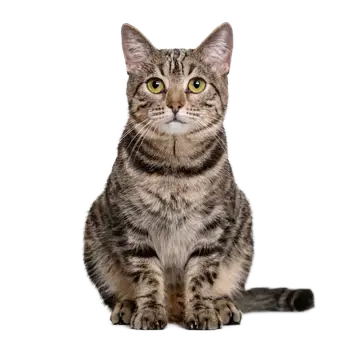

Nutrition & Weight Management

The adult European Shorthair, typically reaching full physical maturity between eighteen months and two years of age, requires a diet calibrated to maintain lean body mass without encouraging excess weight. This breed's sturdy, muscular frame can mask gradual weight gain, making regular body condition assessment essential. An ideal body condition score, evaluated on a nine-point scale, falls between four and five. At this range, the ribs are palpable beneath a slight covering of fat, the waist is visible from above, and the abdomen tucks slightly upward when viewed from the side.

Feed a high-quality adult maintenance food that lists a named animal protein such as chicken, turkey, or fish as the primary ingredient. Both wet and dry formulations have merits. Wet food contributes to daily fluid intake and tends to be lower in carbohydrate content, while dry food supports dental health through mechanical abrasion and is convenient for measured meal feeding. Many owners find that a combination approach, offering wet food at mealtimes supplemented by a controlled portion of dry kibble, balances the advantages of both formats.

Portion control is the single most important factor in preventing obesity, which is the most common nutritional disorder in domestic cats and a major risk factor for diabetes mellitus, osteoarthritis, hepatic lipidosis, and lower urinary tract disease. Follow the feeding guidelines on the food packaging as a starting point and adjust based on your cat's individual metabolism, activity level, and body condition trend. Weigh your European Shorthair monthly on a pet scale or at veterinary visits and track the trend over time. A gain of as little as two hundred grams in a month warrants a reassessment of portion size.

Treats should constitute no more than ten percent of total daily caloric intake. Many commercially available cat treats are calorie-dense, and even a few extra pieces per day can contribute to a significant caloric surplus over weeks and months. Small pieces of cooked plain chicken or freeze-dried meat treats provide a protein-rich reward without excessive carbohydrates. Avoid feeding table scraps, as many human foods contain seasonings, fats, or ingredients that are toxic or inappropriate for cats.

Exercise & Mental Enrichment

The European Shorthair retains a strong prey drive and natural athleticism throughout its adult years, and a sedentary lifestyle is incompatible with the breed's physical and psychological needs. Insufficient exercise and stimulation are primary contributors to obesity, destructive behavior, and stress-related conditions such as overgrooming and inappropriate elimination. A minimum of two dedicated interactive play sessions per day, each lasting ten to fifteen minutes, provides the physical exertion and mental engagement this breed requires.

Interactive play that mimics the feline predatory sequence is the most satisfying form of exercise for the European Shorthair. Use wand toys with feather or fabric attachments to simulate the erratic movement of prey. Vary the speed, direction, and height of the lure to challenge the cat's reflexes and encourage leaping, sprinting, and pouncing. End each session by slowing the toy's movement and allowing the cat to capture it, which provides the psychological satisfaction of a successful hunt and prevents the frustration that can result from perpetually unattainable prey.

Environmental enrichment beyond structured play is equally important. Puzzle feeders that require the cat to manipulate sliding panels, lift lids, or roll dispensers to access food engage problem-solving skills and slow eating speed. Rotate toys on a weekly basis to maintain novelty, as cats quickly habituate to objects that remain static in their environment. Window perches overlooking bird feeders or outdoor activity provide passive entertainment that can occupy a European Shorthair for extended periods.

Vertical territory continues to be a priority for the adult European Shorthair. Tall cat trees with multiple platforms, wall-mounted climbing shelves, and elevated walkways expand the cat's usable living space and provide exercise opportunities throughout the day. Cats that have access to three-dimensional environments exhibit lower stress hormones, engage in more natural movement patterns, and are less likely to develop territorial conflicts in multi-cat households. Even a single-cat home benefits from vertical enrichment, as climbing and perching satisfy deep-seated feline behavioral needs.

Coat Care & Grooming

The European Shorthair's short, dense coat is one of the breed's most practical features, requiring far less grooming effort than longhaired breeds while still benefiting from regular maintenance. A weekly brushing session using a rubber grooming mitt or a fine-toothed comb removes dead hair, distributes natural skin oils, and gives you an opportunity to inspect the skin for parasites, lumps, wounds, or signs of allergic dermatitis. During seasonal shedding periods in spring and autumn, increasing brushing frequency to two or three times per week helps control loose hair and reduces the formation of hairballs.

Bathing is rarely necessary for a healthy European Shorthair, as cats are meticulous self-groomers. However, certain situations may warrant a bath, including contamination with a substance that would be harmful if ingested during grooming, a skin condition requiring medicated shampoo prescribed by your veterinarian, or show preparation. When bathing is needed, use a mild cat-specific shampoo, keep the water lukewarm, and work quickly to minimize stress. Thorough rinsing is essential, as shampoo residue can irritate the skin and cause itching.

Nail trimming should be performed every two to three weeks. Even cats with access to scratching posts benefit from regular nail maintenance, as overgrown claws can curve into the paw pads, causing pain and infection. Use sharp, guillotine-style or scissor-style cat nail clippers and trim only the transparent tip, well clear of the pink quick that contains blood vessels and nerves. If you can see the quick, trim approximately two millimeters before it. Establish this routine during the juvenile period if possible, but an adult European Shorthair can learn to tolerate nail trimming through patient, reward-based desensitization.

Ear and eye checks should be incorporated into the weekly grooming session. The ears should be clean and free of excessive wax, dark discharge, or unpleasant odor, all of which may indicate infection or ear mite infestation. The eyes should be clear and bright, with no persistent discharge, squinting, or redness. Any abnormality in the ears or eyes warrants a veterinary examination rather than home treatment, as incorrect diagnosis can delay appropriate care.

Dental Health

Periodontal disease affects the majority of cats over the age of three and is one of the most preventable yet commonly overlooked health concerns in adult felines. The European Shorthair is no exception. Plaque accumulates on the teeth daily and, if not removed, mineralizes into tarite within days. Tartar below the gumline triggers inflammatory responses that progressively damage the gingival tissue, periodontal ligaments, and alveolar bone, eventually leading to tooth loosening, pain, and systemic bacterial seeding that can affect the heart, kidneys, and liver.

Daily tooth brushing is the gold standard for at-home dental care. Use a feline-specific enzymatic toothpaste, which is formulated to be safe for swallowing and typically flavored to be palatable to cats. Apply a small amount to a finger brush or a soft-bristled cat toothbrush and gently brush the outer surfaces of the teeth using small circular motions. Focus on the upper premolars and molars, where tartar tends to accumulate most heavily. Even a thirty-second brushing session is beneficial when performed consistently.

Dental diets and veterinary-approved dental treats can serve as adjuncts to brushing but should not replace it. These products are designed with a specific kibble texture and size that mechanically scrapes plaque from the tooth surface during chewing. Water additives containing chlorhexidine or zinc compounds offer another supplemental layer of oral hygiene by reducing bacterial populations in the mouth. Discuss these options with your veterinarian to determine which combination best suits your European Shorthair's needs and compliance level.

Professional dental cleanings performed under general anesthesia are an important component of a comprehensive dental care plan. During a professional cleaning, the veterinarian or veterinary dentist scales tartar from above and below the gumline, polishes the enamel, and evaluates each tooth individually with probing and dental radiographs. Teeth with advanced periodontal disease, resorptive lesions, or fractures may require extraction to eliminate sources of chronic pain and infection. Most adult European Shorthairs benefit from a professional dental assessment every one to two years, though the ideal frequency depends on the individual cat's oral health status.

Preventive Veterinary Care

Annual wellness examinations are the cornerstone of preventive health management for the adult European Shorthair. Even a seemingly healthy cat can harbor early-stage conditions that are detectable on physical examination or laboratory screening but produce no visible symptoms. Each annual visit should include a thorough physical assessment covering body weight, body condition score, heart and lung auscultation, abdominal palpation, lymph node evaluation, joint mobility, and oral inspection.

Vaccine boosters for core antigens, including feline panleukopenia, calicivirus, and herpesvirus, are administered on a schedule determined by your veterinarian based on the cat's risk profile and local regulatory requirements. Rabies vaccination is legally mandated in many jurisdictions regardless of whether the cat has outdoor access. Non-core vaccines such as feline leukemia virus may be continued or discontinued depending on lifestyle changes. A conversation with your veterinarian about your European Shorthair's living situation ensures that the vaccination protocol remains appropriate and avoids unnecessary immunizations.

Parasite control remains important throughout adult life. Even strictly indoor cats can be exposed to fleas carried in on human clothing, and intestinal parasites can be transmitted through prey items brought indoors by other household pets. A year-round broad-spectrum parasite preventive is the most reliable approach. Fecal examinations should be performed at least annually to screen for intestinal parasites that may not produce obvious clinical signs but can compromise nutrient absorption and immune function over time.

Baseline and periodic blood work allows your veterinarian to monitor organ function and detect emerging trends before they become clinical disease. A standard panel includes a complete blood count, serum biochemistry profile covering liver enzymes, kidney values, blood glucose, and electrolytes, and a total thyroxine measurement to screen for hyperthyroidism, which becomes more prevalent as cats age. Urinalysis provides additional information about kidney concentrating ability and urinary tract health. Establishing these baselines during the prime adult years creates a personalized reference range for your individual cat, making early detection of subtle changes far more reliable.

Behavioral Health & Household Harmony

The adult European Shorthair is typically a confident, adaptable, and sociable companion that integrates well into a variety of household configurations. However, even the most well-adjusted cat can develop behavioral concerns in response to environmental stressors, routine changes, or unmet needs. Understanding feline behavior and addressing issues proactively preserves the bond between cat and owner and prevents minor problems from escalating into entrenched patterns.

Inappropriate elimination, or urinating or defecating outside the litter box, is the most common behavioral complaint among cat owners. In many cases, the underlying cause is medical rather than behavioral, and any cat that suddenly changes its litter box habits should be examined by a veterinarian to rule out urinary tract infection, bladder stones, kidney disease, or gastrointestinal disorders. Once medical causes are excluded, evaluate environmental factors. Litter box cleanliness, location, size, depth of litter, and the number of boxes relative to the number of cats in the household all influence a cat's willingness to use its box consistently.

Inter-cat aggression can occur in multi-cat households when resources are insufficient or when a new cat is introduced without proper acclimation. European Shorthairs generally coexist well with other cats, particularly when each individual has access to its own food station, water source, litter box, and resting area. Vertical space is especially valuable in reducing tension, as cats that can occupy separate elevations feel less pressure to compete for territorial control on the ground plane. If conflict persists despite adequate resources, consultation with a veterinary behaviorist can identify triggers and develop a structured modification plan.

Stress in cats often manifests subtly. Changes in grooming patterns such as overgrooming to the point of hair loss, reduced appetite, increased hiding, or altered sleep-wake cycles can all indicate that a cat is experiencing chronic stress. Common stressors include household moves, changes in the owner's schedule, construction noise, the addition of new family members or pets, and disruption of established routines. Feliway diffusers, which release a synthetic analog of feline facial pheromones, can help reduce anxiety in some cats. Maintaining predictable routines around feeding, play, and interaction provides a sense of security that the independent yet bond-oriented European Shorthair deeply values.

Always consult a qualified professional before making any health-related decisions. This content is provided for informational reference only and should not replace professional guidance specific to your animal.