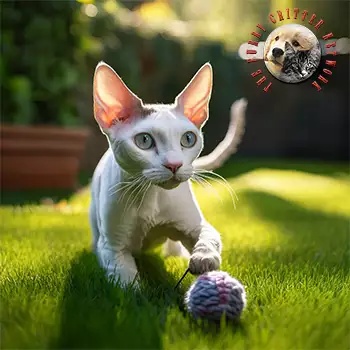

Breeding Devon Rex cats is a significant responsibility that requires thorough preparation, health screening, and a commitment to the well-being of both the breeding pair and their future offspring. Before considering breeding, both the queen and the stud should be fully health-tested for conditions prevalent in the breed. Screening for hypertrophic cardiomyopathy via echocardiography, evaluation for patellar luxation, and blood typing are considered baseline requirements for responsible Devon Rex breeding programs.
Physical maturity does not necessarily align with sexual maturity in cats. While a Devon Rex female may experience her first heat cycle as early as five to six months of age, most responsible breeders wait until the queen is at least twelve to eighteen months old before breeding. This allows her skeletal and muscular development to complete fully, reducing the physical strain of pregnancy and nursing on a body that is still growing. The stud should similarly be fully mature, healthy, and of sound temperament.
Genetic diversity is an important consideration in any purebred breeding program, and the Devon Rex gene pool presents specific challenges due to the breed's origin from a single genetic mutation. Breeders should study pedigrees carefully to avoid excessive inbreeding, which can amplify the expression of hereditary health conditions and reduce overall vigor. Consulting with breed-specific genetic resources and experienced mentors helps guide responsible mating decisions that prioritize the long-term health of the breed.
Both cats should be current on vaccinations, free of internal and external parasites, and in optimal body condition before breeding is attempted. A pre-breeding veterinary examination confirms that the queen's reproductive system is healthy and that there are no underlying conditions that could complicate pregnancy or delivery. Blood typing is especially important in cats, as neonatal isoerythrolysis, a potentially fatal condition caused by blood type incompatibility between queen and kittens, can be prevented through informed pairing.