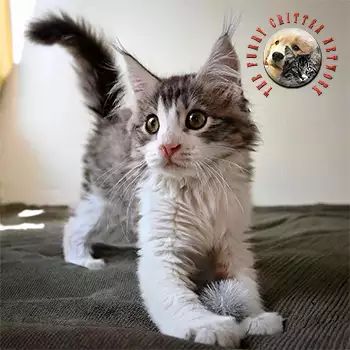

Breeding Cymrics responsibly requires far more preparation than simply pairing two cats. Before any mating is considered, both the queen and the stud should undergo comprehensive health screening that includes a full physical examination, blood work, screening for feline leukemia virus and feline immunodeficiency virus, and a thorough evaluation of spinal and neurological health. The Cymric's Manx gene introduces unique risks that make health screening not just advisable but essential.
Physical maturity is a separate consideration from sexual maturity. While a Cymric queen may experience her first estrus as early as five to six months of age, she should not be bred until she has reached full physical maturity, which for this slow-developing breed is typically not before eighteen months to two years of age. Breeding an immature queen puts her health at risk and can result in smaller, weaker litters.
The breeder should also evaluate temperament carefully. Cymrics selected for breeding should exhibit the breed's characteristic gentle, sociable, and confident personality. Cats that are excessively fearful, aggressive, or anxious are poor candidates for a breeding program regardless of their physical conformation, since temperament has a significant heritable component.
Finally, any responsible breeding program requires a clear plan for every kitten produced. This includes screening potential homes, providing health guarantees, committing to take back any cat that the new owner cannot keep, and maintaining relationships with kitten buyers throughout the life of the cat. If these commitments feel overwhelming, breeding is likely not the right choice.