Yorkipoo
The Yorkipoo is a cross between the Yorkshire Terrier and the Poodle. Because each hybrid inherits a unique combination of traits from both parents, we recommend thoroughly researching both breeds before choosing a Yorkipoo. Pay special attention to temperament, health issues, and care requirements, as your dog may express characteristics from either parent breed.
Yorkshire Terrier
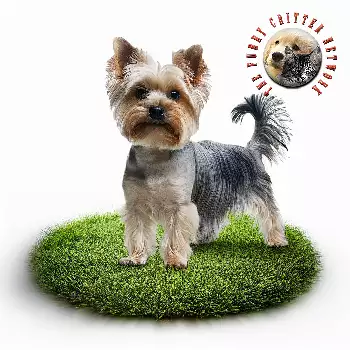
The Yorkshire Terrier is a small, elegant toy breed known for its distinctive silky coat and confident demeanor. According to breed standards, these compact dogs should not exceed 7 pounds in weight, though pet Yorkies often fall between 4 and 8 pounds. They typically stand 7 to 8 inches tall at the shoulder, with females sometimes slightly smaller than males. Despite their diminutive size, Yorkshire Terriers possess a well-proportioned body with a level back and moderate bone structure that gives them a refined yet sturdy appearance. The breed's most notable feature is their long, flowing coat, which has a silky, straight texture similar to human hair rather than typical dog fur. This single-layer coat lacks an undercoat, making the breed relatively hypoallergenic and minimal shedding. Puppies are born with black and tan coloring, but as they mature over the first three years of life, the black gradually transforms into a distinctive steel blue or silver shade. Adult Yorkshire Terriers display the iconic blue and gold or blue and tan coloring, with the steel blue covering the body and tail while rich tan adorns the head, chest, and legs. The coat requires significant maintenance to remain healthy and beautiful. Daily brushing prevents tangles and mats when kept long, and many owners opt for professional grooming every 4 to 6 weeks. The traditional show coat reaches floor length, but many pet owners prefer a shorter puppy cut for easier maintenance. Additional physical characteristics include small, V-shaped ears that stand erect, adding to their alert expression. The eyes are medium-sized, dark, and sparkling with intelligence. The breed standard calls for a docked tail, though this practice varies by region. Despite their toy classification, Yorkshire Terriers carry themselves with the confidence and presence of a much larger dog, earning them the description of having a big dog in a small body personality.
Key Characteristics
Temperament Temperament Temperament Temperament Temperament Temperament Yorkshire Terriers adapt well to various living situations, including apartments, provided they receive adequate daily exercise and mental stimulation. Despite their small size, they have considerable energy and enjoy walks, play sessions, and interactive games. The breed can be snappy with young children who handle them too roughly, making them better suited to homes with older children who understand gentle interaction. Their strong prey drive, inherited from their ratting ancestors, means they may chase small animals. Yorkshire Terriers may develop separation anxiety when left alone for extended periods and benefit from having companions or engaging activities during their owner's absence. Socialization from puppyhood helps develop a well-rounded temperament and reduces potential behavioral issues.
Health Considerations Health Considerations Health Considerations Health Considerations Health Considerations Health Considerations Eye conditions including progressive retinal atrophy and retinal dysplasia may affect vision over time. Patent ductus arteriosus, a congenital heart defect, occurs when a blood vessel fails to close properly after birth. Patellar luxation causes the kneecap to slip out of position, resulting in intermittent lameness. Yorkshire Terriers also experience sensitivity to cold and may require protective clothing in chilly weather. The breed's average lifespan ranges from 11 to 15 years. Regular veterinary care, genetic testing of breeding dogs, and maintaining a healthy weight contribute to longevity and quality of life for these beloved companions.
Poodle

The Poodle is an elegant breed that comes in three recognized size varieties, each sharing the same proportionate build and distinctive appearance. Standard Poodles stand over 15 inches at the shoulder and typically weigh between 45 and 70 pounds. Miniature Poodles measure 10 to 15 inches tall and weigh 12 to 20 pounds, while Toy Poodles stand under 10 inches and weigh approximately 5 to 7 pounds. All varieties share a square body outline with a long, elegant neck, straight back, and refined bone structure that conveys both athleticism and grace. The Poodle's coat is their most distinctive feature, consisting of dense, tightly curled hair that grows continuously rather than shedding seasonally. This single-layer coat lacks an undercoat and produces minimal dander, making Poodles a popular choice for people with allergies. The curly texture causes loose hair to mat into the coat rather than falling, which means regular grooming is essential to prevent painful tangles. Coat colors include black, white, brown, gray, silver, apricot, red, cream, and cafe au lait, with parti-colored patterns also occurring. The face features dark, oval-shaped eyes with an intelligent expression, a long muzzle, and long drop ears set at eye level. Professional grooming every 4 to 6 weeks is recommended to maintain coat health and appearance, along with daily brushing between appointments. Show Poodles wear elaborate clips that originally served practical purposes, providing insulation over joints and vital organs while the dogs worked in cold water. Pet owners often choose simpler styles such as the sporting clip or puppy clip for easier maintenance. Beyond their stunning coat, Poodles possess a refined head carriage and move with a light, springy gait that demonstrates their athletic heritage as water retrievers. Their elegant appearance combined with their exceptional intelligence has made them one of the most popular and recognizable breeds worldwide.
Key Characteristics
Temperament Temperament Temperament Temperament Temperament Temperament Socialization from an early age helps Poodles develop into well-rounded adults who interact confidently with strangers and other animals. While generally friendly, they make alert watchdogs who will bark to announce visitors. Personality can vary somewhat between size varieties, with Toy and Miniature Poodles sometimes displaying more mischievous tendencies while Standards tend toward a calmer, more reserved demeanor. All varieties typically get along well with children and other pets when properly socialized. Poodles may develop separation anxiety due to their strong attachment to family members, making them best suited to households where someone is home frequently or where they can accompany their owners on daily activities.
Health Considerations Health Considerations Health Considerations Health Considerations Health Considerations Health Considerations Toy and Miniature Poodles face increased risk of patellar luxation, where the kneecap slides out of position, and dental disease due to their smaller mouths. Sebaceous adenitis, an inflammatory skin condition affecting hair follicles, occurs in Standard Poodles and causes hair loss and scaling. Von Willebrand's disease, a bleeding disorder, and hypothyroidism also affect the breed. The average lifespan varies by size, with Toy Poodles often living 14 to 18 years, Miniatures 12 to 15 years, and Standards 10 to 13 years. Genetic testing of breeding dogs and regular veterinary care help identify and manage health conditions early, supporting long and healthy lives for these beloved companions.
Important to Remember
Each hybrid dog is unique and may inherit any combination of traits from either parent breed. The information above represents the characteristics of the purebred parent breeds. Your Yorkipoo may favor one parent over the other or display a blend of both. We strongly encourage you to read the complete breed profiles for both the Yorkshire Terrier and Poodle to fully understand the range of possible temperaments, health concerns, and care requirements.