Yorkinese
The Yorkinese is a cross between the Pekingese and the Yorkshire Terrier. Because each hybrid inherits a unique combination of traits from both parents, we recommend thoroughly researching both breeds before choosing a Yorkinese. Pay special attention to temperament, health issues, and care requirements, as your dog may express characteristics from either parent breed.
Pekingese

The Pekingese is a compact toy breed with a distinctive appearance that has earned them the nickname lion dog. Standing 6 to 9 inches tall at the shoulder and weighing up to 14 pounds, these small dogs possess a surprisingly sturdy build. Their body is uniquely shaped, being heavier in the front than the back, which contributes to their characteristic rolling gait. The breed features a broad, flat skull with a short muzzle, large round dark eyes set wide apart, and heart-shaped ears that lie against the head. Their flat face classifies them as a brachycephalic breed, giving them an endearing teddy bear-like appearance. The Pekingese coat is their crowning glory, consisting of a thick, luxurious double coat that creates their signature lion-like mane. The undercoat is dense and soft, while the outer coat is long, coarse, and straight. This profuse coat forms an impressive ruff around the neck and shoulders, with generous feathering on the ears, back of the legs, tail, and chest. Coat colors are varied and all shades are acceptable according to breed standards, including gold, red, sable, cream, black, white, tan, black-and-tan, fawn, and biscuit. Many Pekingese also display markings such as a black mask or white markings. Grooming this breed requires significant commitment. Daily brushing with a conditioning spray is recommended to prevent matting and remove dead hair, with extra attention needed during shedding seasons when the undercoat is released. A metal comb works best for the heavily feathered areas. Professional grooming every 8 to 12 weeks helps maintain the coat's health and appearance, and the hair between the foot pads should be trimmed regularly. Regular bathing with conditioning shampoo, at least twice monthly, along with consistent ear cleaning and dental care complete the grooming routine. Despite their high-maintenance coat, many owners find the Pekingese's regal appearance well worth the effort.
Key Characteristics
Temperament Temperament Temperament Temperament Temperament Temperament While Pekingese can be playful and enjoy interactive moments with their owners, they have relatively low exercise requirements. A few short walks and some playtime around the house typically satisfy their needs. They adapt well to apartment living and prefer calm, stable environments. The breed can be sensitive around young children who may handle them too roughly, and they generally do better with older children who understand how to interact respectfully. Socialization from an early age helps prevent excessive wariness of new people and situations. Pekingese may develop separation anxiety if left alone for extended periods and benefit from having a consistent routine and plenty of attention from their devoted owners.
Health Considerations Health Considerations Health Considerations Health Considerations Health Considerations Health Considerations Additional health considerations include patellar luxation, where the kneecap slides out of position, causing lameness and discomfort. Heart disease, particularly mitral valve disease, can affect older Pekingese. Dental problems occur frequently in toy breeds, making daily tooth brushing and regular veterinary dental care essential. Skin fold dermatitis may develop in the facial wrinkles if not kept clean and dry. The breed's average lifespan ranges from 12 to 14 years. Responsible breeding practices and health screening of parent dogs help reduce the risk of inherited conditions. Regular veterinary checkups, maintaining a healthy weight, and providing appropriate care can help Pekingese live long, comfortable lives.
Yorkshire Terrier
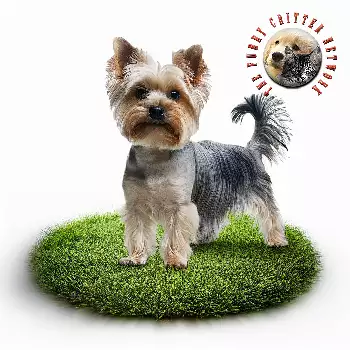
The Yorkshire Terrier is a small, elegant toy breed known for its distinctive silky coat and confident demeanor. According to breed standards, these compact dogs should not exceed 7 pounds in weight, though pet Yorkies often fall between 4 and 8 pounds. They typically stand 7 to 8 inches tall at the shoulder, with females sometimes slightly smaller than males. Despite their diminutive size, Yorkshire Terriers possess a well-proportioned body with a level back and moderate bone structure that gives them a refined yet sturdy appearance. The breed's most notable feature is their long, flowing coat, which has a silky, straight texture similar to human hair rather than typical dog fur. This single-layer coat lacks an undercoat, making the breed relatively hypoallergenic and minimal shedding. Puppies are born with black and tan coloring, but as they mature over the first three years of life, the black gradually transforms into a distinctive steel blue or silver shade. Adult Yorkshire Terriers display the iconic blue and gold or blue and tan coloring, with the steel blue covering the body and tail while rich tan adorns the head, chest, and legs. The coat requires significant maintenance to remain healthy and beautiful. Daily brushing prevents tangles and mats when kept long, and many owners opt for professional grooming every 4 to 6 weeks. The traditional show coat reaches floor length, but many pet owners prefer a shorter puppy cut for easier maintenance. Additional physical characteristics include small, V-shaped ears that stand erect, adding to their alert expression. The eyes are medium-sized, dark, and sparkling with intelligence. The breed standard calls for a docked tail, though this practice varies by region. Despite their toy classification, Yorkshire Terriers carry themselves with the confidence and presence of a much larger dog, earning them the description of having a big dog in a small body personality.
Key Characteristics
Temperament Temperament Temperament Temperament Temperament Temperament Yorkshire Terriers adapt well to various living situations, including apartments, provided they receive adequate daily exercise and mental stimulation. Despite their small size, they have considerable energy and enjoy walks, play sessions, and interactive games. The breed can be snappy with young children who handle them too roughly, making them better suited to homes with older children who understand gentle interaction. Their strong prey drive, inherited from their ratting ancestors, means they may chase small animals. Yorkshire Terriers may develop separation anxiety when left alone for extended periods and benefit from having companions or engaging activities during their owner's absence. Socialization from puppyhood helps develop a well-rounded temperament and reduces potential behavioral issues.
Health Considerations Health Considerations Health Considerations Health Considerations Health Considerations Health Considerations Eye conditions including progressive retinal atrophy and retinal dysplasia may affect vision over time. Patent ductus arteriosus, a congenital heart defect, occurs when a blood vessel fails to close properly after birth. Patellar luxation causes the kneecap to slip out of position, resulting in intermittent lameness. Yorkshire Terriers also experience sensitivity to cold and may require protective clothing in chilly weather. The breed's average lifespan ranges from 11 to 15 years. Regular veterinary care, genetic testing of breeding dogs, and maintaining a healthy weight contribute to longevity and quality of life for these beloved companions.
Important to Remember
Each hybrid dog is unique and may inherit any combination of traits from either parent breed. The information above represents the characteristics of the purebred parent breeds. Your Yorkinese may favor one parent over the other or display a blend of both. We strongly encourage you to read the complete breed profiles for both the Pekingese and Yorkshire Terrier to fully understand the range of possible temperaments, health concerns, and care requirements.