Yorkie Russell
The Yorkie Russell is a cross between the Yorkshire Terrier and the Jack Russell Terrier. Because each hybrid inherits a unique combination of traits from both parents, we recommend thoroughly researching both breeds before choosing a Yorkie Russell. Pay special attention to temperament, health issues, and care requirements, as your dog may express characteristics from either parent breed.
Yorkshire Terrier
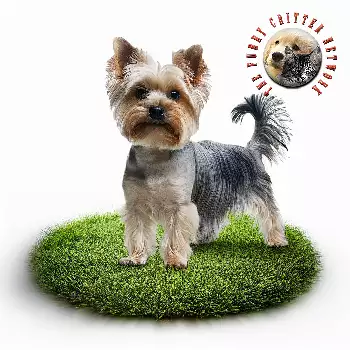
The Yorkshire Terrier is a compact toy breed that epitomizes elegance in a small package. According to the American Kennel Club standard, Yorkies should weigh no more than seven pounds, though many pet Yorkies fall between four and seven pounds. They typically stand between six and nine inches at the shoulder, making them among the smallest of all dog breeds. The body is neat, compact, and well-proportioned, with a high head carriage that conveys an air of confidence and self-importance. Despite their diminutive size, Yorkies possess a sturdy build with a level back, straight legs, and moderate bone structure that belies their delicate appearance. The overall silhouette is balanced and square when viewed from the side. The coat is one of the breed's most distinguishing features and sets the Yorkshire Terrier apart from other toy breeds. The hair is long, silky, and perfectly straight, with a glossy, fine texture remarkably similar to human hair. The coat is parted from the base of the skull to the tip of the tail and hangs evenly on both sides of the body, reaching floor length in show dogs. Adult Yorkies display a distinctive steel blue coloring on the body from the back of the neck to the tail, while the head, chest, and legs are a rich, golden tan. Puppies are born black and tan, with the blue coloring developing gradually as they mature over two to three years. The coat continues growing throughout their lives and requires regular trimming. The head is small and rather flat on top, with a medium-length muzzle and a black nose. The eyes are medium-sized, dark, and sparkling with intelligence, set to look directly forward. The ears are small, V-shaped, and carried erect, set not too far apart on the head and covered with short hair. The tail was traditionally docked to medium length, though this practice has fallen out of favor in many countries. Yorkies lack an undercoat, which means they shed minimally but require daily grooming to prevent matting and maintain their trademark flowing, glamorous appearance.
Key Characteristics
Temperament Temperament Temperament Temperament Temperament Temperament While affectionate with their families, Yorkshire Terriers may not be the best choice for households with very young children, as their small size makes them vulnerable to injury from rough handling. They can coexist with other pets when properly socialized, though their bold nature may lead them to challenge much larger dogs. Yorkies are adaptable to various living situations and do well in apartments, provided they receive adequate exercise and mental stimulation. Their playful, energetic nature keeps them youthful well into their senior years.
Health Considerations Health Considerations Health Considerations Health Considerations Health Considerations Health Considerations Other health issues that may affect Yorkshire Terriers include Legg-Calve-Perthes disease, a degenerative hip condition; portosystemic shunt, a liver abnormality affecting blood flow; and progressive retinal atrophy, which can lead to vision loss. The breed may also be prone to certain skin allergies and sensitivities. Responsible breeders screen for hereditary conditions and provide health clearances for breeding stock. Regular veterinary checkups, maintaining a healthy weight, and providing appropriate nutrition help ensure Yorkies live long, healthy lives.
Jack Russell Terrier

The Jack Russell Terrier is a sturdy, athletic working terrier built for speed, agility, and endurance in the field. According to the Jack Russell Terrier Club of America standard, these dogs measure between ten and fifteen inches at the withers, with weight proportionate to height, typically ranging from thirteen to seventeen pounds. The body is compact and balanced, presenting a rectangular outline with the length slightly greater than the height. The overall impression is of a tough, energetic terrier that is always ready for action, with every aspect of their conformation designed for their original purpose of pursuing foxes both above and below ground. They should appear alert and ready to spring into action at any moment. The chest is a critical feature of the breed and must be small enough to be easily spanned by average-sized hands at the widest point behind the shoulders. This spannable chest allows the terrier to follow quarry into narrow earth dens where larger dogs cannot venture. The back is strong and straight, with a slightly arched loin providing flexibility for maneuvering in tight underground spaces. The legs are straight and well-boned, supporting a body that is muscular and athletic without appearing heavy or cumbersome. The feet are round and cat-like with hard, tough pads, providing sure footing on varied terrain. The tail is set high and carried gaily, traditionally docked to provide a handhold when extracting the dog from underground. The coat comes in three varieties: smooth, broken, and rough, all of which are dense, weatherproof, and designed to protect the dog while working in brush and underground. The predominant color must be white, comprising at least fifty-one percent of the coat, with markings of black, tan, or a combination of both. The head is well-balanced with a flat skull of moderate width, powerful jaws with strong musculature, and a black nose. The eyes are almond-shaped and dark, expressing keen intelligence and determination. The V-shaped ears fold forward close to the head, enhancing their alert expression.
Key Characteristics
Temperament Temperament Temperament Temperament Temperament Temperament Despite their intensity, Jack Russells are affectionate and loyal family companions when their needs are met. They generally get along well with older children who can match their energetic play style. However, they may not be suitable for homes with very young children or small pets. Training requires firmness, consistency, and creativity, as these intelligent dogs bore easily with repetitive exercises. Socialization from an early age is essential to develop a well-rounded temperament. Jack Russells thrive with active owners who appreciate their spirited nature and can provide the stimulation they require.
Health Considerations Health Considerations Health Considerations Health Considerations Health Considerations Health Considerations Other health concerns include cerebellar ataxia, a neurological condition affecting coordination, and von Willebrand's disease, a blood clotting disorder. The breed may also experience allergies and skin sensitivities. Their high activity level and fearless nature can predispose them to injuries from jumping, rough play, or confrontations with other animals. Regular veterinary care, maintaining appropriate weight, and providing safe outlets for their abundant energy help ensure Jack Russells remain healthy throughout their long lives. Exercise requirements must be met to prevent obesity, which can exacerbate joint issues.
Important to Remember
Each hybrid dog is unique and may inherit any combination of traits from either parent breed. The information above represents the characteristics of the purebred parent breeds. Your Yorkie Russell may favor one parent over the other or display a blend of both. We strongly encourage you to read the complete breed profiles for both the Yorkshire Terrier and Jack Russell Terrier to fully understand the range of possible temperaments, health concerns, and care requirements.