Transylvizsla Hound
The Transylvizsla Hound is a cross between the Transylvanian Hound and the Vizsla. Because each hybrid inherits a unique combination of traits from both parents, we recommend thoroughly researching both breeds before choosing a Transylvizsla Hound. Pay special attention to temperament, health issues, and care requirements, as your dog may express characteristics from either parent breed.
Transylvanian Hound
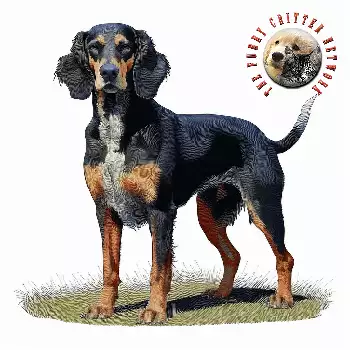
The Transylvanian Hound is a medium-sized, athletically built dog that presents neither coarse nor overly fine features. Standing 21.5 to 25.5 inches at the withers and weighing a minimum of 55 pounds, with typical weights ranging from 55 to 77 pounds, this ancient Hungarian breed displays a well-proportioned body designed for endurance and agility in rugged mountain terrain. The breed's overall structure reflects centuries of development in the challenging environment of the Carpathian Mountains, resulting in a tough, hardy hunting companion capable of sustained work in demanding conditions. The head is long but not pointed, with a slightly domed skull and close-fitting skin free of wrinkles. The occiput is not pronounced, and the overall appearance is clean-cut without excess skin. Medium-sized, almond-shaped eyes are set slightly obliquely and display a dark brown color with well-fitted lids that contribute to an alert, intelligent expression. The ears are set at medium height on the skull and hang close to the cheeks without folding, widening from the base before tapering to rounded tips that should reach approximately to the eye when pulled forward. The neck is medium length and very muscular, with slight folds of skin under the throat and a small dewlap considered acceptable. The Transylvanian Hound's coat is short, straight, and dense, providing adequate protection during hunts without being overly heavy or difficult to maintain. The characteristic coloring features a predominantly black body with tan markings, including distinctive tan spots above the eyes that give the breed an expressive appearance often noted by breed enthusiasts. White markings may appear on the muzzle, chest, feet, and tip of the tail, adding to the breed's distinctive appearance. The breed carries its tail high, often displaying a slight curve, and moves with long, ground-covering strides that demonstrate both efficiency and grace. The body is slightly longer than tall, with a level topline and well-developed musculature throughout. This is a dog built for sustained work in demanding conditions, with every physical characteristic serving a practical purpose in its role as a hunting hound.
Key Characteristics
Temperament Temperament Temperament Temperament Temperament Temperament The Transylvanian Hound has high exercise requirements and thrives with active families who can provide plenty of physical activity and mental stimulation on a daily basis. These are not dogs suited for sedentary lifestyles or small living spaces without adequate outdoor time and opportunities to use their natural abilities. They retain a strong prey drive from their hunting background, which means careful management around small animals may be necessary unless raised together from an early age. The breed is known for being protective of their home and family while maintaining a playful, affectionate demeanor with those they know well. Early socialization is essential to help them develop appropriate responses to new situations, unfamiliar people, and other animals they may encounter.
Health Considerations Health Considerations Health Considerations Health Considerations Health Considerations Health Considerations The breed's relative rarity outside of Hungary and Romania means that comprehensive health data is somewhat limited compared to more popular breeds. However, this rarity has also helped maintain genetic diversity within the breed population, potentially reducing the concentration of hereditary health problems seen in some more extensively bred dogs. Owners should ensure regular veterinary check-ups, maintain appropriate weight to reduce joint stress, and provide adequate exercise to keep these athletic dogs in optimal condition. Working with a reputable breeder who prioritizes health testing and can provide information about the health history of the puppy's lineage is particularly important given the breed's uncommon status.
Vizsla
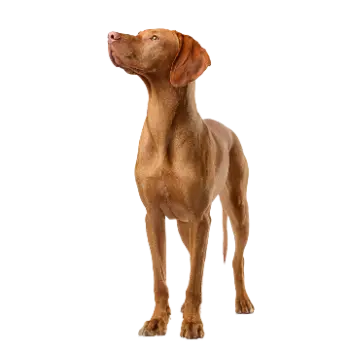
The Vizsla is a medium-sized, elegantly built hunting dog that presents a lean, muscular, and athletic appearance. Males typically stand 22 to 24 inches at the shoulder and weigh 55 to 60 pounds, while females are slightly smaller at 21 to 23 inches and 44 to 55 pounds. The breed displays a distinguished bearing characterized by graceful lines and a robust yet refined build that speaks to its heritage as an all-around hunting companion capable of pointing, retrieving, and trailing game across varied terrain. The Vizsla's most striking feature is its distinctive golden rust coat, which comes in varying shades ranging from light sandy gold to deep copper brown. The coat is short, smooth, and dense, lying close to the body without an undercoat, which makes the breed somewhat sensitive to cold weather but remarkably easy to maintain with minimal grooming requirements. A notable characteristic of the Vizsla is its self-colored appearance, where the nose, eye rims, lips, and nails blend harmoniously with the coat color, creating a unified aesthetic that distinguishes it from similar breeds and contributes to its elegant overall appearance. The head is lean and muscular with a moderately long muzzle and a moderate stop between the skull and face. The skull is slightly domed and shows a median line extending from the stop to the occiput. The ears are thin, silky, and pendant, hanging close to the cheeks with rounded tips that reach approximately to the corner of the lip when pulled forward. The eyes are medium-sized and blend with the coat color, typically appearing in shades of amber that contribute to the breed's intelligent, sensitive expression and reflect its attentive nature. The tail is traditionally docked to about two-thirds of its original length in countries where this practice is permitted, though natural tails are increasingly common and equally acceptable in many venues. Every aspect of the Vizsla's structure contributes to a picture of an elegant, athletic dog capable of sustained work in the field while maintaining the refined appearance of a noble companion.
Key Characteristics
Temperament Temperament Temperament Temperament Temperament Temperament Vizslas are energetic dogs with high exercise requirements, needing a minimum of one to two hours of vigorous physical activity daily to remain happy and well-behaved. They excel as running and hiking companions and participate enthusiastically in dog sports such as agility, field trials, and obedience competitions. Without adequate physical and mental stimulation, they can become restless and develop destructive behaviors. While generally friendly and sociable with both people and other dogs, they are protective of their families without being aggressive. They typically do well with children who treat them respectfully and can make excellent family dogs for active households that can provide the attention, exercise, and companionship this devoted breed requires.
Health Considerations Health Considerations Health Considerations Health Considerations Health Considerations Health Considerations Von Willebrand's disease, a blood clotting disorder, occurs in some Vizslas and can cause excessive bleeding during injuries or surgical procedures. More seriously, the breed has shown increased susceptibility to certain cancers, including lymphoma and hemangiosarcoma, which owners should discuss with their veterinarian. Sebaceous adenitis, an inflammatory skin condition affecting the oil glands, can cause scaling, hair loss, and secondary infections. Due to their deep chest, Vizslas are also at risk for bloat, or gastric dilatation-volvulus, a life-threatening emergency where the stomach fills with gas and may twist. Feeding smaller, more frequent meals and avoiding vigorous exercise immediately after eating can help reduce this risk. Regular veterinary care and awareness of these breed-specific concerns enable early detection and management of potential health issues.
Important to Remember
Each hybrid dog is unique and may inherit any combination of traits from either parent breed. The information above represents the characteristics of the purebred parent breeds. Your Transylvizsla Hound may favor one parent over the other or display a blend of both. We strongly encourage you to read the complete breed profiles for both the Transylvanian Hound and Vizsla to fully understand the range of possible temperaments, health concerns, and care requirements.