Tosa-Pei
The Tosa-Pei is a cross between the Tosa and the Shar Pei. Because each hybrid inherits a unique combination of traits from both parents, we recommend thoroughly researching both breeds before choosing a Tosa-Pei. Pay special attention to temperament, health issues, and care requirements, as your dog may express characteristics from either parent breed.
Tosa
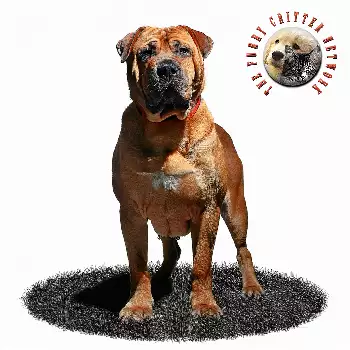
The Tosa, also known as the Tosa Inu or Japanese Mastiff, is a giant breed that commands immediate attention with its powerful, imposing physique. Standing between 24 and 32 inches at the shoulder, this breed displays significant variation in size depending on breeding region and lineage. Japanese-bred Tosas typically weigh between 80 and 135 pounds, while Western-bred specimens can reach an impressive 130 to 200 pounds. Males are consistently larger and heavier than females across all breeding lines. The breed possesses a remarkably muscular build with a broad chest, strong legs, and substantial bone structure throughout the body. The overall silhouette projects strength, athleticism, and dignified power that reflects the breed's heritage as a formidable guardian and working dog. The Tosa's coat is short, dense, and lies close to the body, requiring minimal grooming maintenance. Accepted coat colors include red, fawn, apricot, black, and brindle, with red being particularly prized in the show ring. Some specimens may display small white markings on the chest or feet. The head is large and broad with a distinctive square muzzle, powerful jaws, and a moderately defined stop. The ears are relatively small, thin, and hang close to the cheeks, adding to the breed's dignified expression. Dark brown eyes are set moderately apart and convey an alert, intelligent expression that reflects the breed's watchful nature. The Tosa's movement is smooth and powerful, demonstrating both strength and surprising agility for a dog of this size. The tail is thick at the base and tapers to a point, typically carried low when relaxed but raised when alert or excited. The breed's dewlap, the loose skin around the neck and throat, is a characteristic feature that adds to its distinctive appearance. Despite their massive size, well-bred Tosas should appear balanced and athletic rather than cumbersome or overly heavy, capable of sustained physical activity when properly conditioned and exercised.
Key Characteristics
Temperament Temperament Temperament Temperament Temperament Temperament Due to their history as fighting dogs in Japan, Tosas can display dog-aggression, particularly toward dogs of the same sex. This trait requires careful management and makes the breed unsuitable for dog parks or off-leash areas with unfamiliar dogs. They are banned or restricted in several countries including the United Kingdom, Australia, Denmark, and Norway. Prospective owners must understand that this breed demands significant commitment to training, socialization, and responsible ownership. In the right hands, with proper guidance and structure, the Tosa is a devoted, protective family companion that takes its guardian role seriously while remaining gentle with those it loves.
Health Considerations Health Considerations Health Considerations Health Considerations Health Considerations Health Considerations Cardiac conditions, including dilated cardiomyopathy and other heart abnormalities, can affect the Tosa and should be monitored through regular veterinary checkups. Eye problems such as entropion, where the eyelid rolls inward causing irritation and potential damage to the cornea, occur in this breed and may require surgical correction. The average lifespan for a Tosa ranges from 10 to 12 years, which is reasonable for a giant breed. Regular veterinary care, proper nutrition formulated for large or giant breeds, controlled exercise during puppyhood to protect developing joints, and maintaining an appropriate body weight all contribute to maximizing the health and longevity of these impressive dogs.
Shar Pei

The Shar Pei is a medium-sized dog instantly recognizable by its distinctive deeply wrinkled skin and unique appearance. Standing between 17 and 20 inches at the shoulder and weighing 40 to 65 pounds, this compact yet substantial breed presents a solid, well-balanced silhouette. The most striking feature of the Shar Pei is undoubtedly its loose, wrinkled skin, which is particularly abundant on the head, neck, and shoulders of puppies. This excessive wrinkling is caused by an inherited condition called hyaluronosis, which results in elevated levels of hyaluronic acid in the skin. As dogs mature, the wrinkles typically become less pronounced on the body while remaining prominent on the head and face. The Shar Pei's coat is short and harsh to the touch, with no undercoat in the brush coat variety, though the horse coat variety features an even shorter, pricklier texture. Accepted colors span a wide range including cream, fawn, red, sable, black, chocolate, blue, and lilac, with solid colors preferred in the show ring. A distinctive feature of the breed is the blue-black tongue, shared only with the Chow Chow among dog breeds. The head is large with a broad, flat skull and a wide muzzle often described as hippopotamus-like. Small, triangular ears sit high on the head and fold forward, while deeply set, small eyes give the breed its characteristic frowning expression. Two distinct types of Shar Pei have developed over time: the traditional bone-mouth type, which features a more moderate head and fewer wrinkles, and the meat-mouth type popularized in Western breeding programs, which displays more exaggerated features including a heavier muzzle and more abundant skin folds. The Shar Pei's tail is thick and round at the base, set very high and curls over the back in a characteristic fashion. The overall impression is of a compact, alert dog with a confident stance and dignified bearing. Movement should be free and balanced, with good reach and drive, though the loose skin should not impede the dog's natural movement or cause discomfort.
Key Characteristics
Temperament Temperament Temperament Temperament Temperament Temperament Protective instincts run deep in the Shar Pei, and they make excellent watchdogs who will alert their families to anything unusual in their environment. They tend to be quiet dogs who do not bark excessively, preferring to observe and assess situations before reacting. While they can coexist peacefully with children when raised together, supervision is recommended, and the breed may not tolerate rough handling or unpredictable behavior from very young children. Same-sex aggression can be an issue, particularly between intact males. The Shar Pei thrives in homes where their independent nature is respected and where they receive consistent guidance, appropriate socialization, and the companionship of their beloved family members.
Health Considerations Health Considerations Health Considerations Health Considerations Health Considerations Health Considerations Other health concerns include hip dysplasia, hypothyroidism, and various respiratory issues that can result from the breed's shortened muzzle. Allergies, both environmental and food-related, are common and may manifest as skin problems, ear infections, or gastrointestinal upset. Recent studies from the United Kingdom indicate a median lifespan of approximately 7 to 8 years for the breed, though many well-bred and properly cared for Shar Peis live considerably longer, with some reaching 12 years or more. Selecting a puppy from health-tested parents, maintaining regular veterinary care, addressing skin and ear issues promptly, and providing appropriate nutrition all contribute to supporting the health and quality of life of these distinctive dogs.
Important to Remember
Each hybrid dog is unique and may inherit any combination of traits from either parent breed. The information above represents the characteristics of the purebred parent breeds. Your Tosa-Pei may favor one parent over the other or display a blend of both. We strongly encourage you to read the complete breed profiles for both the Tosa and Shar Pei to fully understand the range of possible temperaments, health concerns, and care requirements.