Torkie
The Torkie is a cross between the Toy Fox Terrier and the Yorkshire Terrier. Because each hybrid inherits a unique combination of traits from both parents, we recommend thoroughly researching both breeds before choosing a Torkie. Pay special attention to temperament, health issues, and care requirements, as your dog may express characteristics from either parent breed.
Toy Fox Terrier

The Toy Fox Terrier is a diminutive yet athletic dog that embodies elegance and balance in a small package. Standing eight and a half to eleven and a half inches at the withers, with nine to eleven inches being preferred, these dogs typically weigh between four and nine pounds. Their body presents a square profile when viewed from the side, with the height from withers to ground approximately equal to the length from the point of the shoulder to the buttocks. Despite their small size, they possess substantial bone structure without being heavy, and their well-developed muscles give them an athletic, nimble appearance. The breed's head is one of its most elegant features, appearing as a blunt wedge shape when viewed from both front and profile. The skull is slightly rounded with a moderate stop, and the muzzle tapers gradually from the base of the ears to the nose. Their eyes are full, round, and somewhat prominent without bulging, displaying a soft, intelligent expression that conveys their alert nature. The eyes are dark in color with dark rims, except in chocolate-colored dogs. The ears are distinctive V-shaped appendages that stand fully erect, set high on the head and close together but not touching, contributing to the breed's characteristic alert appearance. The Toy Fox Terrier's coat is short, fine, smooth, and satiny in texture, lying close to the body with slightly longer hair at the ruff. The breed is predominantly white on the body, which must comprise more than fifty percent of the coat, while the head is predominantly solid-colored. Accepted color combinations include tricolor with black and tan markings, white and tan, white and black, and white with chocolate and tan. The tail is set high and carried erect, traditionally docked to create a balanced silhouette. Their movement is smooth and flowing, giving the impression that their feet just skim the ground.
Key Characteristics
Temperament Temperament Temperament Temperament Temperament Temperament While affectionate and devoted to their families, Toy Fox Terriers can be protective of their territory and may bark to alert their owners to visitors or unusual sounds, making them excellent watchdogs despite their small size. They generally do well with older children who understand how to handle small dogs respectfully but may be too delicate for households with very young children. Early socialization helps them develop appropriate behavior around other dogs, though they can sometimes be combative with unfamiliar dogs due to their bold terrier nature. They adapt well to apartment living provided they receive adequate mental stimulation and exercise to channel their considerable energy.
Health Considerations Health Considerations Health Considerations Health Considerations Health Considerations Health Considerations Several genetic conditions in Toy Fox Terriers now have DNA tests available, allowing breeders to make informed decisions. These include primary lens luxation, which causes the eye's lens to shift from its normal position and can lead to blindness, congenital hypothyroidism with goiter, spinocerebellar ataxia affecting coordination, and degenerative myelopathy. The breed's small size also predisposes them to dental disease due to crowded teeth, making regular dental care essential. Some individuals may be prone to food allergies and sensitivities, particularly to corn, wheat, and certain fillers. Maintaining an appropriate weight is important, as obesity can exacerbate joint issues and other health problems.
Yorkshire Terrier
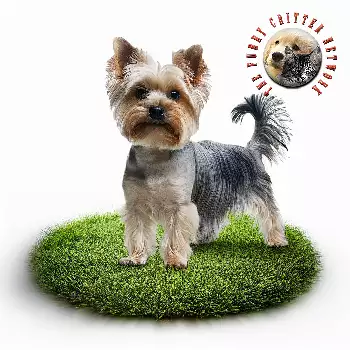
The Yorkshire Terrier is among the smallest of all dog breeds, standing approximately seven to eight inches at the shoulder and weighing no more than seven pounds according to breed standards, though many pet Yorkies fall between four and eight pounds. Despite their diminutive size, these dogs possess a compact, well-proportioned body with a relatively short, level back that gives them an air of importance and confidence. The breed's silhouette is distinctive, with their head carried high on a neck of good length and their bodies displaying excellent balance and proportion. The Yorkshire Terrier's most celebrated feature is its magnificent coat, which is perhaps the most glamorous in the canine world. The long, perfectly straight, silky hair parts naturally down the center of the back from the base of the skull to the tip of the tail, cascading down evenly on both sides of the body to floor length when properly maintained. The coat has a fine, glossy texture similar to human hair rather than fur, and unlike many breeds, Yorkies do not have an undercoat, which contributes to their reputation as a low-shedding breed suitable for some allergy sufferers. The ideal adult coat color is a deep steel blue on the body from the back of the neck to the root of the tail, never silver, black, or bronze mixed in. The head features a rich golden tan that is deeper at the sides, at the ear roots, and on the muzzle. The chest and legs display a bright, rich tan that does not extend above the elbow on the forelegs or above the stifle on the hind legs. Interestingly, all Yorkie puppies are born black and tan, with their adult coloring developing as they mature. The small head features dark, sparkling eyes that express keen intelligence, a black nose, and small, V-shaped ears carried erect, with the hair on the head often tied in a topknot with a bow to keep it out of their eyes.
Key Characteristics
Temperament Temperament Temperament Temperament Temperament Temperament While Yorkies are generally good family pets, they are best suited to households with older children who understand how to handle small dogs gently, as their tiny size makes them vulnerable to injury from rough play. They can be stubborn during training, sometimes displaying typical terrier determination to do things their own way, but they respond well to consistent, positive reinforcement methods. Their intelligence means they learn quickly once properly motivated. Yorkies can coexist peacefully with other pets when properly socialized, though some may display aggression toward unfamiliar dogs regardless of size. Early socialization is essential to help them develop into well-adjusted, confident companions.
Health Considerations Health Considerations Health Considerations Health Considerations Health Considerations Health Considerations Patellar luxation, hypoglycemia particularly in young puppies and very small individuals, and Legg-Calve-Perthes disease affecting the hip joints are additional orthopedic concerns in the breed. Eye problems including progressive retinal atrophy, cataracts, and dry eye can develop, while some Yorkies may experience allergic skin conditions. The breed is also predisposed to pancreatitis, often triggered by high-fat diets, making proper nutrition essential. Regular veterinary checkups, maintaining appropriate weight, and attention to dental hygiene are key factors in helping Yorkies live long, healthy lives.
Important to Remember
Each hybrid dog is unique and may inherit any combination of traits from either parent breed. The information above represents the characteristics of the purebred parent breeds. Your Torkie may favor one parent over the other or display a blend of both. We strongly encourage you to read the complete breed profiles for both the Toy Fox Terrier and Yorkshire Terrier to fully understand the range of possible temperaments, health concerns, and care requirements.