Terri-Poo
The Terri-Poo is a cross between the Australian Terrier and the Poodle. Because each hybrid inherits a unique combination of traits from both parents, we recommend thoroughly researching both breeds before choosing a Terri-Poo. Pay special attention to temperament, health issues, and care requirements, as your dog may express characteristics from either parent breed.
Australian Terrier
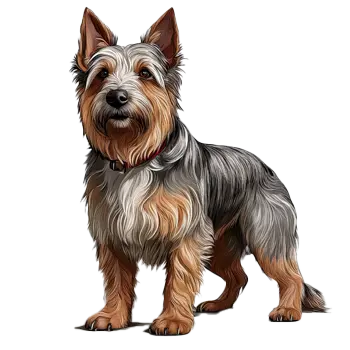
The Australian Terrier is a small but sturdy breed that carries itself with confidence and purpose. Standing approximately ten to eleven inches at the withers and weighing between fourteen to twenty pounds, this compact terrier presents a body that is noticeably longer than it is tall. The breed possesses a strong, level topline with well-sprung ribs that contribute to its robust appearance. The head features a long, powerful muzzle with a distinctive black nose, and the dark brown eyes convey an alert and keen expression. Small, erect ears are set high on the skull and add to the breed's characteristic vigilant look. The legs are short but straight and well-boned, providing surprising agility for such a low-set dog. The Australian Terrier sports a distinctive double coat that serves both practical and aesthetic purposes. The outer coat is harsh, straight, and approximately two to two and a half inches in length, while the dense undercoat provides insulation against varying weather conditions. A notable feature is the soft, silky topknot that adorns the head, creating an appealing contrast with the coarser body coat. The breed appears in three recognized color varieties: blue and tan, solid sandy, and solid red. The blue and tan coloration features a rich tan on the face, ears, underbody, and lower legs, with a silver blue or dark steel blue body. Sandy and red varieties display warm, even tones throughout. The breed's overall silhouette suggests a working terrier capable of the tasks it was developed to perform. The neck is long and slightly arched, flowing into well-laid shoulders that allow for efficient movement. The tail is traditionally docked and carried erect, adding to the breed's alert carriage. Movement is free and ground-covering, with good drive from the hindquarters. Despite its small stature, the Australian Terrier conveys an impression of strength and substance that belies its size.
Key Characteristics
Temperament Temperament Temperament Temperament Temperament Temperament The Australian Terrier's high energy level requires regular physical and mental stimulation to prevent boredom-related behavioral issues. This breed thrives when given tasks to accomplish and enjoys interactive play sessions with its family. While affectionate with humans, the Australian Terrier may display dominance toward other dogs, particularly those of the same sex, and its strong prey drive means small animals may be viewed as targets rather than companions. Despite these considerations, a well-socialized Australian Terrier makes an excellent family companion, bringing joy and entertainment through its playful antics and unwavering devotion.
Health Considerations Health Considerations Health Considerations Health Considerations Health Considerations Health Considerations Eye conditions represent another area of concern for Australian Terrier owners. Cataracts can develop and may progress to impair vision if left untreated. Keratoconjunctivitis sicca, commonly known as dry eye, occurs when tear production is insufficient and can lead to corneal damage without proper management. The breed has also been noted to have a predisposition to allergies, particularly flea allergy dermatitis and environmental allergies that manifest as skin irritation. Regular ear cleaning helps prevent infections in this breed. Responsible breeders screen their breeding stock for hereditary conditions and provide health clearances to help reduce the incidence of these issues in future generations.
Poodle

The Poodle is a remarkably elegant breed that comes in three distinct size varieties, each sharing the same breed characteristics and conformation standards while differing in height. The Standard Poodle stands over fifteen inches at the withers, with most individuals ranging from twenty-two to twenty-seven inches and weighing between forty-five and seventy pounds. The Miniature Poodle measures between ten and fifteen inches at the shoulder and typically weighs twelve to twenty pounds, while the Toy Poodle stands ten inches or under and weighs between four and seven pounds. Regardless of size, the Poodle presents a square silhouette with the length from breastbone to point of rump equaling the height from the highest point of the withers to the ground. The breed carries itself with an air of dignity and pride. The Poodle's most distinctive feature is its dense, curly coat composed of harsh, tightly curled hair that grows continuously rather than shedding. This unique coat texture is often described as hypoallergenic, though it requires regular professional grooming to prevent matting and maintain skin health. The coat comes in a wide array of solid colors including black, white, brown, apricot, cream, red, silver, gray, and various parti-color patterns. The head is refined with a moderately rounded skull, long straight muzzle, and dark, oval-shaped eyes that convey intelligence and alertness. The ears are long, hanging close to the head, and are covered with long, wavy hair. The neck is well-proportioned and allows for the characteristic proud head carriage. The Poodle's athletic build reflects its origins as a water retriever and working dog. The body features a deep chest with well-sprung ribs and a short, strong back. The shoulders are well-laid-back and smoothly muscled, while the hindquarters are broad and muscular with well-bent stifles. The feet are compact and oval-shaped with well-arched toes and thick pads. Movement is light and springy with good drive from the rear, and the Poodle's gait demonstrates both grace and athleticism. The tail is set high and carried up, traditionally docked to a length that creates balance with the body.
Key Characteristics
Temperament Temperament Temperament Temperament Temperament Temperament Socially, Poodles tend to be friendly though they may exhibit initial reserve with unfamiliar people or situations. This alertness makes them effective watchdogs who will announce visitors without displaying aggression. The breed generally coexists well with other dogs and pets when raised together, though some individuals may display same-sex aggression. Poodles are sensitive dogs that respond poorly to harsh training methods and negative reinforcement, instead flourishing with positive approaches that make training enjoyable. Their emotional intelligence allows them to tune into their owner's moods, making them excellent companions and successful therapy dogs. Regular mental stimulation and physical exercise are essential to prevent boredom-related behaviors.
Health Considerations Health Considerations Health Considerations Health Considerations Health Considerations Health Considerations Other conditions seen in the breed include epilepsy, which causes recurrent seizures of varying severity and typically requires lifelong medication management. Addison's disease, a disorder of the adrenal glands that affects hormone production, occurs more frequently in Poodles than in many other breeds and requires lifelong hormone replacement therapy once diagnosed. Standard Poodles face an increased risk of gastric dilatation-volvulus, commonly known as bloat, a life-threatening condition where the stomach fills with gas and may twist on itself. Von Willebrand's disease, a blood clotting disorder, and hypothyroidism, affecting the thyroid gland's function, have also been documented in the breed. Regular veterinary checkups, appropriate health screening of breeding stock, and awareness of these conditions help ensure Poodles live long, healthy lives.
Important to Remember
Each hybrid dog is unique and may inherit any combination of traits from either parent breed. The information above represents the characteristics of the purebred parent breeds. Your Terri-Poo may favor one parent over the other or display a blend of both. We strongly encourage you to read the complete breed profiles for both the Australian Terrier and Poodle to fully understand the range of possible temperaments, health concerns, and care requirements.