Silkese
The Silkese is a cross between the Maltese and the Silky Terrier. Because each hybrid inherits a unique combination of traits from both parents, we recommend thoroughly researching both breeds before choosing a Silkese. Pay special attention to temperament, health issues, and care requirements, as your dog may express characteristics from either parent breed.
Maltese

The Maltese is a diminutive toy breed with a refined and elegant appearance that belies its surprisingly sturdy constitution. Standing between seven and nine inches tall at the shoulder and weighing under seven pounds according to breed standards, with show dogs ideally falling between four and six pounds, the Maltese possesses a compact and well-balanced body. The breed carries itself with a smooth and effortless gait that conveys both grace and confidence. The slightly rounded skull features a moderate stop, and the medium-length muzzle tapers gently without appearing snipey. Dark brown to black eyes are set moderately apart, conveying an alert and gentle expression, while drop ears hang close to the head and blend seamlessly into the flowing coat. The crowning glory of the Maltese is its spectacular coat, which consists of a single layer of long, silky, straight hair that can grow to floor length when properly maintained. Unlike double-coated breeds, the Maltese lacks an undercoat, which contributes to the coat's flowing, silky texture. The coat color is pure, brilliant white, though subtle shades of pale ivory or light lemon are permissible, particularly on the ears. Many owners opt for a practical puppy cut that keeps the coat short and manageable, while show dogs display the full-length coat parted down the middle of the back. Proper Maltese specimens display black pigmentation on what breeders call the points, including the nose, eye rims, lips, and paw pads. The prized halos, which are solid black rims around both eyes, are particularly desirable features that enhance the breed's sweet expression. The nose should be black, though some individuals may experience fading to brown or pink, especially during winter months or hormonal changes. The teeth meet in a scissors bite, and the compact body maintains refined bone structure throughout, creating an overall picture of delicate beauty combined with substance.
Key Characteristics
Temperament Temperament Temperament Temperament Temperament Temperament While generally gentle and good-natured, the Maltese can develop separation anxiety if left alone for extended periods, and may exhibit destructive behaviors or excessive barking when distressed. Early socialization is crucial to prevent the breed from becoming overly timid or snappy. The Maltese typically does well with older, respectful children but may not tolerate rough handling from very young children due to its small size and somewhat delicate nature. With proper training and socialization, the Maltese proves to be an adaptable companion equally suited to active families and more sedentary households, including seniors seeking a devoted lap dog.
Health Considerations Health Considerations Health Considerations Health Considerations Health Considerations Health Considerations Liver shunts, also known as portosystemic shunts, occur when blood vessels bypass the liver, preventing proper toxin filtration and potentially causing serious symptoms. This condition may be present from birth and requires surgical correction in many cases. Hypoglycemia poses a particular risk for Maltese puppies and very small adults, requiring frequent small meals to maintain stable blood sugar levels. Owners should also be aware of potential eye issues including tear staining, which while primarily cosmetic requires regular cleaning, as well as more serious conditions that can develop with age. Regular veterinary checkups, maintaining a healthy weight, and appropriate preventive care help ensure Maltese dogs enjoy long, healthy lives.
Silky Terrier
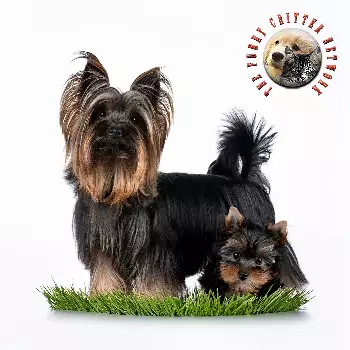
The Silky Terrier is a refined yet robust toy breed that stands approximately nine to ten inches tall at the shoulder and weighs between eight and ten pounds. Despite its elegant appearance, this breed possesses true terrier substance with a compact, moderately low-set body that is slightly longer than tall. The overall structure conveys strength and agility rather than fragility, with sufficient bone to suggest the breed's working terrier heritage. The body is well-muscled with a level topline, moderately sprung ribs, and a high-set tail that is customarily docked in countries where the practice remains legal, carried erect but not over the back. The head of the Silky Terrier is strong and wedge-shaped, with a flat skull of moderate width between the ears and a shallow stop. The powerful jaws contain evenly spaced teeth meeting in a scissors bite, and the small, almond-shaped eyes are dark and express keen intelligence and alertness. Small, V-shaped ears stand erect and are set high on the skull, contributing to the breed's perpetually alert expression. The neck is refined yet strong, flowing smoothly into well-laid-back shoulders that allow for free movement. The breed's most striking feature is its long, silky coat that typically reaches five to six inches in length and is parted from head to tail along the back. Unlike the similar-looking Yorkshire Terrier, the Silky Terrier's coat maintains a straight, glossy texture without the woolly or wavy tendencies sometimes seen in related breeds. The coat color at maturity is blue and tan, with the blue ranging from silver blue to slate blue. Puppies are born black and tan, with the distinctive blue coloring developing as they mature, typically by eighteen months of age. The tan markings appear on the muzzle, cheeks, around the base of the ears, legs, and feet. The compact, cat-like feet and strong pasterns complete the picture of this elegant yet athletic toy terrier.
Key Characteristics
Temperament Temperament Temperament Temperament Temperament Temperament True to its terrier heritage, the Silky Terrier retains strong prey drive and will enthusiastically chase small animals, including cats and pocket pets if not properly socialized. The breed also exhibits typical terrier behaviors such as digging and may become territorial if not given appropriate guidance. While affectionate and playful with family members, the Silky Terrier can be reserved or suspicious around strangers until properly introduced. Early socialization is essential to develop a well-rounded temperament. The breed generally does well with older children who understand how to interact respectfully with small dogs, though supervision is recommended with very young children. Despite their small size, Silky Terriers require mental stimulation and physical activity to remain happy and well-behaved companions.
Health Considerations Health Considerations Health Considerations Health Considerations Health Considerations Health Considerations Eye conditions including cataracts and progressive retinal atrophy can affect the Silky Terrier, potentially leading to vision impairment or blindness if not detected and managed appropriately. Legg-Calve-Perthes disease, involving degeneration of the femoral head due to insufficient blood supply, typically appears in young dogs and may require surgical intervention. Liver shunts, or portosystemic shunts, occur when abnormal blood vessels bypass the liver, preventing proper detoxification of the blood. Additionally, the breed may experience allergies and skin conditions including Malassezia dermatitis, a yeast infection that causes itching and skin irritation. Hypothyroidism, though less common, can also occur and is typically managed with daily medication. Regular veterinary examinations, appropriate screening tests, and maintaining a healthy weight contribute to the overall health and longevity of the Silky Terrier.
Important to Remember
Each hybrid dog is unique and may inherit any combination of traits from either parent breed. The information above represents the characteristics of the purebred parent breeds. Your Silkese may favor one parent over the other or display a blend of both. We strongly encourage you to read the complete breed profiles for both the Maltese and Silky Terrier to fully understand the range of possible temperaments, health concerns, and care requirements.