Shorkie Tzu
The Shorkie Tzu is a cross between the Shih Tzu and the Yorkshire Terrier. Because each hybrid inherits a unique combination of traits from both parents, we recommend thoroughly researching both breeds before choosing a Shorkie Tzu. Pay special attention to temperament, health issues, and care requirements, as your dog may express characteristics from either parent breed.
Shih Tzu
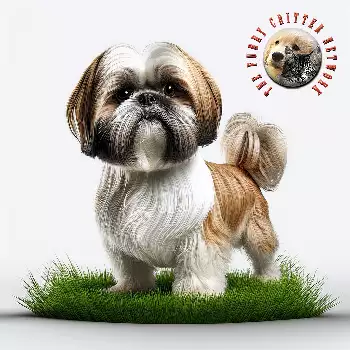
The Shih Tzu is a sturdy, compact toy dog that stands between 8 and 11 inches tall at the shoulder and weighs between 9 and 16 pounds. Despite its small size, the breed is surprisingly solid and well-built, carrying good weight and substance that belies its diminutive stature. The body is slightly longer than it is tall, creating a rectangular outline, with a broad and deep chest, well-sprung ribs, and a level topline. The Shih Tzu carries itself with a distinctively proud and arrogant bearing, with the head held high and the heavily plumed tail curved gracefully over the back, reflecting its noble heritage as a prized companion of Chinese royalty. The head is one of the Shih Tzu's most distinctive features, being large and round with a broad, domed skull and a short, square muzzle that gives the breed its characteristic chrysanthemum-like facial appearance. The eyes are large, round, and set wide apart, dark in color and conveying a warm, sweet, and trusting expression that is essential to breed type. The stop is well-defined, and the underbite is a required characteristic per breed standard. The ears are large, set slightly below the crown of the skull, and heavily coated so they appear to blend into the hair of the neck. The Shih Tzu is covered with a luxurious, flowing double coat that is dense and long, with a slight wave permissible. The coat grows in all directions on the face, creating the distinctive chrysanthemum effect, and the hair on the head is typically tied up to keep it out of the eyes. All coat colors and markings are equally acceptable, including solid colors and various combinations with white. The breed moves with a smooth, flowing gait that is effortless and straight, showcasing good front reach and strong rear drive while maintaining a level topline. The Shih Tzu's unique appearance combines elegance with substance, creating a companion dog of remarkable beauty and charm.
Key Characteristics
Temperament Temperament Temperament Temperament Temperament Temperament Shih Tzus are intelligent dogs with independent personalities, which can sometimes manifest as stubbornness during training. They respond best to patient, consistent, and positive training methods, and may become resistant if handled harshly. House training can be challenging with this breed and requires persistence and a regular schedule. They thrive on attention and do not tolerate being left alone for extended periods, potentially developing separation anxiety. Some Shih Tzus may bark to alert their owners to visitors or unusual sounds, though they are not excessive barkers by nature. Overall, the Shih Tzu is a devoted, affectionate, and thoroughly charming companion that brings joy and warmth to any household.
Health Considerations Health Considerations Health Considerations Health Considerations Health Considerations Health Considerations Other health concerns in the breed include patellar luxation where the kneecap slips out of position, intervertebral disc disease due to a genetic predisposition for spinal issues, ear infections from their hairy ear canals, and various skin conditions including allergies. Liver shunts, where blood bypasses the liver, occur more frequently in this breed and can cause serious health problems. Hip dysplasia and hypothyroidism may also affect some individuals. Regular veterinary care, appropriate grooming, dental hygiene, and weight management are essential for maintaining the health and longevity of these beloved companion dogs.
Yorkshire Terrier
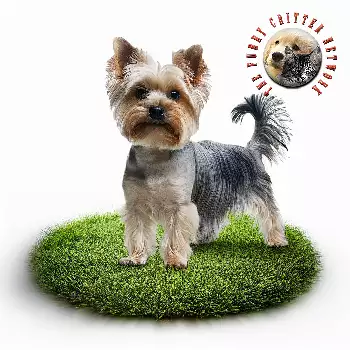
The Yorkshire Terrier is a compact and well-proportioned toy dog that stands 7 to 8 inches tall at the shoulder and weighs no more than 7 pounds according to breed standard, though many pet-quality individuals weigh slightly more. Despite their diminutive size, Yorkshire Terriers present a neat, compact appearance that conveys vigor and self-importance. The body is well-proportioned with a level back, and the dog carries itself with an upright, confident carriage that reflects the breed's bold terrier heritage. The overall impression is of a small dog that is aware of its own importance and carries itself accordingly. The Yorkshire Terrier's head is small and rather flat on top, with a moderately short muzzle and a black nose. The skull is not too round, and the teeth meet in either a scissors or level bite. The eyes are medium-sized, not too prominent, dark and sparkling, conveying a sharp, intelligent expression. The ears are small, V-shaped, and carried erect, set not too far apart and covered with short hair of a deep rich tan color. The neck is of good reach, allowing for proper head carriage, and flows smoothly into the well-laid-back shoulders. The Yorkshire Terrier's coat is its crowning glory, being long, straight, fine, and glossy with a silky texture that is described as similar to human hair. The coat is parted down the middle of the back from the base of the skull to the root of the tail, hanging evenly and quite straight on each side. The standard dictates a steel blue color from the back of the skull to the root of the tail, with a rich golden tan on the head, chest, and legs. Puppies are born black and tan, gradually developing their adult coloring over the first two to three years of life. The tail is traditionally docked to a medium length and carried slightly higher than the level of the back, though undocked tails are becoming more common where docking is prohibited.
Key Characteristics
Temperament Temperament Temperament Temperament Temperament Temperament Despite their terrier tenacity, Yorkshire Terriers are also lap dogs at heart and greatly enjoy cuddling with their favorite people. They can adapt well to apartment living due to their small size, though they still require daily exercise and mental stimulation to remain happy and healthy. Yorkies generally do well with older children who understand how to handle small dogs gently, but may not be suitable for households with very young children. Early socialization helps ensure they develop appropriate behaviors around other dogs and pets, though some individuals retain strong prey drive toward smaller animals. Overall, the Yorkshire Terrier is a spirited, devoted companion whose big personality and loving nature make them treasured family members.
Health Considerations Health Considerations Health Considerations Health Considerations Health Considerations Health Considerations Dental disease is extremely common in Yorkshire Terriers due to their small mouths and crowded teeth, making regular dental care essential. Hypoglycemia, or low blood sugar, can affect Yorkie puppies and some adults, causing weakness, trembling, and potentially seizures if not addressed promptly. Regular small meals help prevent this condition. Eye problems including retinal dysplasia, cataracts, and lens luxation may occur, along with Legg-Calve-Perthes disease affecting the hip joint. Heart conditions, particularly patent ductus arteriosus, and Cushing's disease affecting the adrenal glands are also seen in the breed. Regular veterinary care and purchasing from breeders who screen for genetic conditions can help ensure a healthy, long-lived companion.
Important to Remember
Each hybrid dog is unique and may inherit any combination of traits from either parent breed. The information above represents the characteristics of the purebred parent breeds. Your Shorkie Tzu may favor one parent over the other or display a blend of both. We strongly encourage you to read the complete breed profiles for both the Shih Tzu and Yorkshire Terrier to fully understand the range of possible temperaments, health concerns, and care requirements.