Shih-Mo
The Shih-Mo is a cross between the American Eskimo and the Shih Tzu. Because each hybrid inherits a unique combination of traits from both parents, we recommend thoroughly researching both breeds before choosing a Shih-Mo. Pay special attention to temperament, health issues, and care requirements, as your dog may express characteristics from either parent breed.
American Eskimo
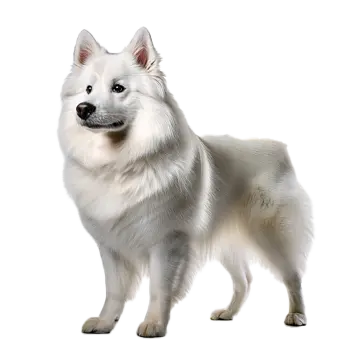
The American Eskimo Dog is a beautiful Nordic breed that presents a picture of strength, agility, and alertness wrapped in a stunning white coat. This breed comes in three distinct size varieties: toy measuring nine to twelve inches, miniature measuring twelve to fifteen inches, and standard measuring fifteen to nineteen inches at the shoulder. Despite the size differences, all varieties share the same breed characteristics and proportions, with the body being slightly longer than it is tall, creating a well-balanced, compact silhouette. The breed possesses good substance with adequate bone structure that appears neither too heavy nor too fine. The face is unmistakably Nordic in type, featuring a wedge-shaped head with a moderately pronounced stop and a muzzle that is broad and roughly equal in length to the skull. The eyes are slightly oval rather than round, medium-sized, and set well apart, displaying an alert, intelligent expression that conveys the breed's keen awareness. Eye color is dark brown to medium brown, while the eye rims are black to dark brown, creating distinctive contrast against the white coat. The ears are triangular with slightly blunted tips, set high and held erect, contributing to the breed's attentive appearance. The nose is always black, providing striking contrast against the white fur. The coat is the breed's most eye-catching feature, consisting of a luxurious double layer that gives the American Eskimo its characteristic powder-puff appearance. The dense undercoat provides insulation while the longer, straight guard hairs of the outer coat stand away from the body without curl or wave. A distinctive lion-like ruff forms around the neck and chest, more pronounced in males, while the legs feature attractive feathering. The tail is heavily plumed and carried in a graceful curl over the back. The coat is always white or white with biscuit cream markings. The skin beneath is characteristically pink or gray, and the breed's black nose, lips, and eye rims create the distinctive dark points that enhance their striking appearance.
Key Characteristics
Temperament Temperament Temperament Temperament Temperament Temperament Despite their friendly nature with family, American Eskimos retain natural guardian instincts and may be initially reserved or cautious with strangers. They are alert watchdogs who will announce visitors with their bark, which can become excessive without proper training. The breed has high energy levels, particularly in younger years, requiring regular exercise and mental stimulation to prevent hyperactivity or anxious behaviors. Daily walks combined with play sessions and training activities help channel their energy positively. As they reach middle age, their energy levels typically moderate, though they remain active and playful throughout their lives.
Health Considerations Health Considerations Health Considerations Health Considerations Health Considerations Health Considerations Dental disease is particularly common in American Eskimo Dogs, requiring diligent home care including regular brushing and professional dental cleanings to prevent tartar buildup and gum disease. Allergies affecting the skin are frequently observed, often manifesting as itching, redness, and ear infections. Tear staining around the eyes is common though primarily cosmetic. Epilepsy, a neurological condition causing recurring seizures, occurs at higher rates in this breed compared to others and typically requires lifelong management with anticonvulsant medications. Legg-Calve-Perthes disease, affecting blood supply to the femoral head, and diabetes have also been documented. Regular veterinary examinations and health screenings help ensure early detection and appropriate management of these conditions.
Shih Tzu
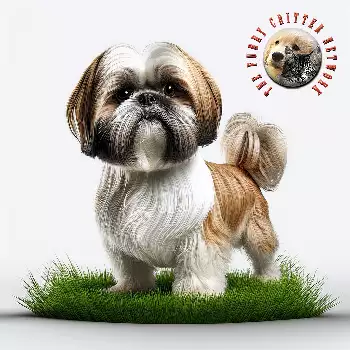
The Shih Tzu is a small, sturdy companion dog with a distinctive appearance that reflects its ancient Chinese heritage. Standing between nine and ten-and-a-half inches at the shoulder and weighing nine to sixteen pounds, this breed presents a compact, well-balanced silhouette that is slightly longer than it is tall. The overall impression is one of substance without coarseness, displaying a proud carriage with the head held high and the heavily plumed tail carried in a graceful curve over the back. The body is solid and well-proportioned with a deep chest and level topline. The head is one of the breed's most distinctive features, appearing round and broad with a short, square muzzle that gives the face a chrysanthemum-like appearance when viewed from the front. The eyes are large, dark, and prominent, set wide apart and conveying a warm, trusting expression. A notable characteristic is the undershot bite, which is required by the breed standard. The ears are large with long leather, set slightly below the crown of the skull, and covered in abundant hair that blends into the neck coat. The nose is always black, positioned at or slightly below eye level, though liver-colored dogs may have liver noses. The coat is the Shih Tzu's crowning glory, consisting of a luxurious double layer that is long, flowing, and dense. The outer coat is long and silky, while the undercoat provides insulation and volume. The hair grows in all directions on the face, creating the characteristic chrysanthemum pattern, with a distinct fall over the eyes and a full beard and whiskers. The coat accepts virtually any color, with white blazes on the forehead and white tail tips considered highly desirable in parti-colored specimens. When properly maintained, the coat flows to floor length, though many pet owners prefer shorter utility clips for easier maintenance.
Key Characteristics
Temperament Temperament Temperament Temperament Temperament Temperament The breed exhibits intelligence combined with an independent streak that can make training interesting. While eager to please their owners, Shih Tzus can display occasional stubbornness that requires patience and positive reinforcement methods. They respond well to treats and praise, thriving when training sessions are kept short and entertaining. Early socialization is important to develop a well-rounded temperament. These dogs have relatively modest exercise needs, satisfied by short daily walks and indoor play sessions, making them excellent choices for apartment living or less active households.
Health Considerations Health Considerations Health Considerations Health Considerations Health Considerations Health Considerations Dental disease affects Shih Tzus disproportionately compared to larger breeds, as their small mouths often result in crowded or misaligned teeth that trap food and bacteria. Daily dental care and professional cleanings are essential for prevention. Orthopedic issues including patellar luxation and hip dysplasia can occur. Intervertebral disc disease represents a risk due to the breed's long spine relative to its short legs. Liver shunts and kidney problems including renal dysplasia have been documented in the breed. Skin allergies and conditions require attention in some individuals. Regular veterinary care and maintaining a healthy weight contribute significantly to the breed's longevity.
Important to Remember
Each hybrid dog is unique and may inherit any combination of traits from either parent breed. The information above represents the characteristics of the purebred parent breeds. Your Shih-Mo may favor one parent over the other or display a blend of both. We strongly encourage you to read the complete breed profiles for both the American Eskimo and Shih Tzu to fully understand the range of possible temperaments, health concerns, and care requirements.