Shepsky
The Shepsky is a cross between the German Shepherd and the Siberian Husky. Because each hybrid inherits a unique combination of traits from both parents, we recommend thoroughly researching both breeds before choosing a Shepsky. Pay special attention to temperament, health issues, and care requirements, as your dog may express characteristics from either parent breed.
German Shepherd

The German Shepherd is a large, well-muscled dog that presents an image of strength, intelligence, and nobility. Males typically stand 24 to 26 inches at the shoulder and weigh between 65 and 90 pounds, while females measure 22 to 24 inches and weigh 50 to 75 pounds. The breed displays a slightly longer-than-tall body proportion, with a smooth, flowing outline that extends from the erect ears through the withers and along the level back to the gently sloping croup. The overall structure conveys agility and endurance, with a deep chest that provides ample lung capacity and well-sprung ribs that protect vital organs during active work. The German Shepherd possesses a dense double coat that provides excellent protection in various weather conditions. The outer coat consists of medium-length hair that lies close to the body, with a thick undercoat that insulates against temperature extremes. Coat colors include the classic black and tan saddle pattern, sable with various shadings, solid black, and the less common solid white. The black and tan pattern is perhaps most recognized, with a dark saddle covering the back while tan markings appear on the chest, legs, and face. The breed's coat requires regular brushing to manage shedding, which can be substantial particularly during seasonal changes. The breed's head is noble and cleanly chiseled, with a strong muzzle and well-developed jaws capable of delivering a powerful bite. The dark, almond-shaped eyes express confidence and intelligence, while the large, erect ears are carried forward and slightly pointed at the tips. The neck is muscular and relatively long, blending smoothly into the shoulders without loose skin. The bushy tail hangs in a gentle curve when relaxed and is carried slightly higher when the dog is alert or moving. The German Shepherd's movement is characterized by a far-reaching, elastic gait that covers ground efficiently with minimal effort.
Key Characteristics
Temperament Temperament Temperament Temperament Temperament Temperament Early and ongoing socialization is essential for German Shepherds to develop into well-adjusted adults. Without proper exposure to various people, animals, and situations during puppyhood, they may become overly suspicious or reactive. The breed requires firm, consistent leadership and responds best to positive training methods that harness their natural desire to please. German Shepherds often become particularly attached to one family member while remaining affectionate with the entire household. They require significant daily exercise and do best with active owners who can provide both physical outlets and meaningful work or training activities.
Health Considerations Health Considerations Health Considerations Health Considerations Health Considerations Health Considerations Additional health concerns include exocrine pancreatic insufficiency, a digestive disorder where the pancreas fails to produce adequate enzymes for food digestion. Von Willebrand disease, a blood clotting disorder, and hemophilia A can also affect the breed. German Shepherds may develop perianal fistulas, painful ulcerations around the anus that require ongoing management. The breed shows increased susceptibility to allergies and atopic dermatitis, causing skin irritation and chronic itching. Cancer, particularly hemangiosarcoma affecting blood vessels and osteosarcoma affecting bones, represents a significant cause of death in older German Shepherds. Pannus, an immune-mediated eye condition, can cause vision impairment if not treated with lifelong medication.
Siberian Husky
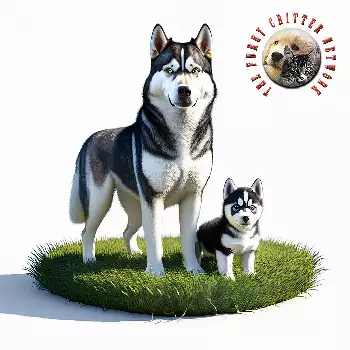
The Siberian Husky is a medium-sized working dog that embodies the balance of power, speed, and endurance required for its original purpose as a sled dog. Males typically stand 21 to 23.5 inches at the shoulder and weigh between 45 and 60 pounds, while females measure 20 to 22 inches and weigh 35 to 50 pounds. The breed presents a compact, well-furred body with erect triangular ears and a distinctive brush tail that curves gracefully over the back when the dog is alert. Despite their relatively moderate size, Siberian Huskies possess remarkable strength and stamina, capable of pulling light loads at moderate speeds over great distances in harsh conditions. The breed's double coat is medium in length and provides excellent protection against extreme cold. The dense, soft undercoat supports the straight outer guard hairs, creating an insulating layer that traps body heat while repelling snow and ice. Siberian Huskies are unique in that virtually all coat colors and patterns are permitted by breed standards, ranging from pure white to solid black with every shade and combination in between. Common colorations include black and white, gray and white, red and white, and sable and white. The distinctive facial markings often include a mask pattern and striking cap markings that contribute to the breed's wolf-like appearance. Perhaps the most captivating feature of the Siberian Husky is its eyes, which may be brown, blue, amber, or any combination thereof. Heterochromia, where each eye is a different color, and parti-colored eyes with two colors within a single iris are common and considered acceptable. The almond-shaped eyes are set slightly obliquely and express the breed's characteristic keen, friendly, and mischievous nature. The ears are medium-sized, triangular, and set high on the head, standing firmly erect. The sickle-shaped tail is well-furred and carried over the back in a graceful curve when the dog is attentive, trailing behind when relaxed or working.
Key Characteristics
Temperament Temperament Temperament Temperament Temperament Temperament Siberian Huskies possess extremely high energy levels and require substantial daily exercise to remain content. They were bred for endurance running and retain a powerful drive to run that can lead to escape attempts if not properly contained. The breed is notorious for its ability to dig under, climb over, or find gaps in fencing to pursue interesting scents or simply explore. Their strong prey drive means they may not be trustworthy around small animals. Huskies are vocal dogs that communicate through a distinctive range of howls, yodels, and talks rather than traditional barking. They thrive in the company of their families or other dogs and may develop destructive behaviors or separation anxiety when left alone for extended periods.
Health Considerations Health Considerations Health Considerations Health Considerations Health Considerations Health Considerations Zinc deficiency and follicular dysplasia can cause skin and coat problems in Siberian Huskies, requiring dietary supplementation and ongoing management. The breed may experience hypothyroidism, requiring lifelong hormone supplementation. Degenerative myelopathy, while less common than in some breeds, can cause progressive paralysis. Epilepsy and uveodermatologic syndrome, an autoimmune condition affecting eyes and skin, also occur in the breed. Researchers have identified several genetic conditions specific to or common in Siberian Huskies, including Shaking Puppy Syndrome Type 1 and Siberian Husky Polyneuropathy Type 1, both of which affect neurological function. Hyperuricosuria, causing urate stones in the urinary tract, can also affect the breed.
Important to Remember
Each hybrid dog is unique and may inherit any combination of traits from either parent breed. The information above represents the characteristics of the purebred parent breeds. Your Shepsky may favor one parent over the other or display a blend of both. We strongly encourage you to read the complete breed profiles for both the German Shepherd and Siberian Husky to fully understand the range of possible temperaments, health concerns, and care requirements.