Shepadoodle
The Shepadoodle is a cross between the German Shepherd and the Standard Poodle. Because each hybrid inherits a unique combination of traits from both parents, we recommend thoroughly researching both breeds before choosing a Shepadoodle. Pay special attention to temperament, health issues, and care requirements, as your dog may express characteristics from either parent breed.
German Shepherd

The German Shepherd is a medium to large breed that presents an impression of strength, athleticism, and nobility. Males typically stand between 24 and 26 inches at the shoulder and weigh 65 to 90 pounds, while females measure 22 to 24 inches and weigh 50 to 70 pounds. The breed follows a distinctive proportion where the body length slightly exceeds the height, with an ideal ratio of approximately 10 to 8.5. This creates the breed's characteristic outline of a powerful yet balanced canine built for endurance and versatility. The overall structure emphasizes smooth curves rather than angular lines, with a deep chest that provides ample lung capacity for sustained activity. The German Shepherd possesses a weather-resistant double coat that serves as excellent protection against varying climates. The outer coat is dense, straight, and lies close to the body, while the undercoat provides additional insulation. Coat colors vary considerably, with the most recognized being the classic black and tan saddle pattern. Other accepted colors include solid black, solid gray, sable variations where individual hairs display multiple colors, and black with cream or silver markings. White German Shepherds exist but are not accepted in conformation standards. The coat is typically medium length, though long-coated varieties occur within the breed. Distinctive physical features define the German Shepherd's recognizable silhouette. The head is proportionate to the body with a slightly domed forehead and a long, wedge-shaped muzzle. The breed's erect ears are perhaps its most iconic feature, set high on the skull and carried alertly forward. Dark, almond-shaped eyes convey intelligence and confidence. The neck is muscular and carried at approximately a 45-degree angle, flowing smoothly into well-laid-back shoulders. The bushy tail reaches at least to the hock and is carried in a gentle curve when the dog is relaxed, rising slightly when alert or in motion.
Key Characteristics
Temperament Temperament Temperament Temperament Temperament Temperament Within the family unit, German Shepherds demonstrate remarkable versatility, adapting their energy to match household dynamics while remaining ever-watchful. They typically bond closely with all family members but may show particular attachment to one primary handler. This breed generally does well with children when properly introduced and supervised. Some German Shepherds may develop separation anxiety due to their strong attachment to their families, making gradual training for alone time beneficial from an early age. Their confident demeanor, combined with sensitivity to their owner's emotions, creates a companion that is both protector and devoted friend.
Health Considerations Health Considerations Health Considerations Health Considerations Health Considerations Health Considerations Additional health concerns include exocrine pancreatic insufficiency, a digestive disorder where the pancreas fails to produce adequate enzymes, and von Willebrand's disease, a bleeding disorder. Allergies affecting the skin are relatively common, often manifesting as itching, hot spots, or ear infections. Thyroid disorders, eye conditions including cataracts and progressive retinal atrophy, and certain cancers such as hemangiosarcoma and osteosarcoma occur at elevated rates in the breed. German Shepherds typically live between 7 and 13 years, with proper veterinary care, appropriate nutrition, and regular health screenings contributing to longevity.
Standard Poodle
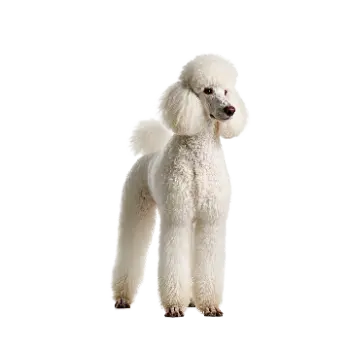
The Standard Poodle presents an elegant, athletic appearance that belies its origins as a skilled water retriever. Standing over 15 inches at the shoulder, with most individuals measuring between 18 and 24 inches, this is the largest of the three Poodle varieties. Males typically weigh between 60 and 70 pounds, while females range from 40 to 50 pounds. The breed standard emphasizes a square build where the length from breastbone to rump approximately equals the height at the withers. This balanced proportion creates an impression of proud carriage and athletic capability, with the overall outline conveying dignity and grace in motion. The Poodle's coat is perhaps its most distinctive feature, consisting of naturally curly hair that grows continuously rather than shedding seasonally. This single-layer coat is dense, harsh in texture, and may present as either tightly curled or corded in appearance. The non-shedding quality makes the breed popular among allergy sufferers, though regular grooming remains essential to prevent matting. Accepted coat colors span a wide spectrum including solid black, white, apricot, silver, brown, gray, cream, and various shades thereof. Parti-colored Poodles exist but are not accepted in conformation showing. Many owners opt for practical pet clips that require less maintenance than traditional show trims. Distinguishing physical characteristics include dark, oval-shaped eyes that convey intelligence and alertness. The ears are long, wide, and set at approximately eye level, hanging close to the head with thick, wavy hair covering. The muzzle is long, straight, and fine, with a predominantly black nose in most color varieties. The neck is proportionate and carries the head with dignity, flowing into well-angulated shoulders that facilitate the breed's characteristic springy, effortless gait. The tail is set high, typically docked in countries where permitted, and carried up when the dog is moving or alert. Overall, the Standard Poodle combines substance with refinement in a package built for endurance and versatility.
Key Characteristics
Temperament Temperament Temperament Temperament Temperament Temperament Socialization plays a crucial role in developing a well-rounded Standard Poodle temperament. While naturally friendly, some individuals may exhibit initial reserve toward strangers, warming up once properly introduced. Early exposure to various people, environments, and situations helps prevent any tendency toward shyness or anxiety. The breed's sensitivity means harsh training methods prove counterproductive, with positive reinforcement techniques yielding far superior results. Standard Poodles may develop separation anxiety if left alone for extended periods, as their attachment to family members runs deep. Their combination of intelligence, trainability, and devotion makes them outstanding companions for active families willing to invest in their mental and physical enrichment.
Health Considerations Health Considerations Health Considerations Health Considerations Health Considerations Health Considerations Progressive retinal atrophy affects Standard Poodles and can eventually lead to blindness, though genetic testing now allows breeders to identify carriers before breeding. Von Willebrand's disease, a blood clotting disorder, occurs in the breed and can cause excessive bleeding during surgery or following injuries. Epilepsy, hypothyroidism, and degenerative myelopathy also appear in the breed population. Standard Poodles typically enjoy lifespans ranging from 10 to 18 years, with conscientious health screening, proper nutrition, regular veterinary care, and appropriate exercise contributing to their longevity. Prospective owners should seek breeders who perform comprehensive health testing on breeding stock.
Important to Remember
Each hybrid dog is unique and may inherit any combination of traits from either parent breed. The information above represents the characteristics of the purebred parent breeds. Your Shepadoodle may favor one parent over the other or display a blend of both. We strongly encourage you to read the complete breed profiles for both the German Shepherd and Standard Poodle to fully understand the range of possible temperaments, health concerns, and care requirements.