Scorkie
The Scorkie is a cross between the Scottish Terrier and the Yorkshire Terrier. Because each hybrid inherits a unique combination of traits from both parents, we recommend thoroughly researching both breeds before choosing a Scorkie. Pay special attention to temperament, health issues, and care requirements, as your dog may express characteristics from either parent breed.
Scottish Terrier
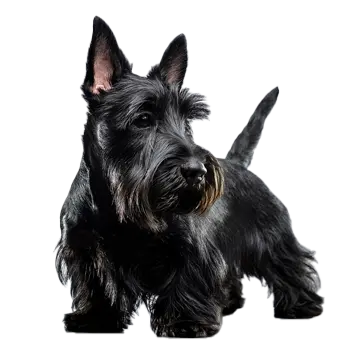
The Scottish Terrier is a small but solidly built dog that presents a distinctive silhouette recognized worldwide. Standing approximately 10 inches at the withers, this compact breed weighs between 18 and 22 pounds, with males typically at the higher end of that range. The Scottie possesses a thick-set, cobby body suspended between short, heavy legs that give the breed its characteristic low-to-the-ground stance. Despite their small stature, these dogs are remarkably powerful and muscular, bred originally to pursue quarry underground where their compact build proved advantageous. The body is well-proportioned with a moderately short back and deep chest that would appear nearly heart-shaped if viewed in cross-section. The Scottish Terrier's head is one of its most striking features, being long in proportion to the overall size of the dog. The skull is slightly domed and covered with short, hard hair, while the muzzle is approximately equal in length to the skull with only a slight taper toward the nose. The distinctive beard and eyebrows frame expressive, dark eyes that convey the breed's characteristic keen, piercing expression often described as varminty. Small, erect ears sit high on the skull and contribute to the alert, intelligent appearance that defines the breed. The nose is always black regardless of coat color and projects somewhat over the mouth. The breed's double coat is a hallmark feature consisting of a hard, wiry outer coat approximately two inches long and a soft, dense undercoat. Acceptable colors include black, wheaten, and brindle in any shade, with many black and brindle dogs showing sprinklings of white or silver hairs that are considered normal. White markings are permitted only on the chest and chin in minimal amounts. The longer furnishings on the beard, legs, and lower body may be slightly softer than the body coat but should never appear fluffy. Regular grooming including hand-stripping maintains the coat's proper texture and the breed's classic silhouette.
Key Characteristics
Temperament Temperament Temperament Temperament Temperament Temperament While affectionate with their families, Scottish Terriers are not typically suited for households with very young children, as they value their personal space and do not tolerate rough handling. They have strong prey drives inherited from their vermin-hunting ancestry and may chase small animals. Socialization from an early age helps temper some of their more stubborn tendencies, though prospective owners should understand that Scotties consider themselves companions rather than pets and expect to be treated accordingly. Their independent nature and specific care requirements make them better suited to experienced dog owners who appreciate their unique personality.
Health Considerations Health Considerations Health Considerations Health Considerations Health Considerations Health Considerations Scottish Terriers have a significantly elevated risk of bladder cancer, specifically transitional cell carcinoma, with studies indicating they are 18 to 20 times more likely to develop this cancer than mixed breed dogs. This predisposition makes regular veterinary checkups and prompt attention to any urinary symptoms particularly important. Other conditions seen in the breed include patellar luxation, hypothyroidism, and various skin allergies. Responsible breeders screen for these conditions and maintain careful records to reduce their occurrence. Regular health monitoring and a relationship with a veterinarian familiar with the breed's specific concerns will help ensure your Scottish Terrier lives a long, healthy life.
Yorkshire Terrier
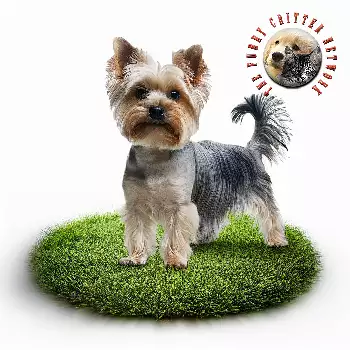
The Yorkshire Terrier is a compact toy breed that combines an elegant appearance with true terrier character. According to breed standards, Yorkies should not exceed seven pounds, though many pet dogs are somewhat larger. The body is neat and well-proportioned with a relatively short, level back that does not slope excessively from shoulders to rump. Despite their diminutive size, Yorkshire Terriers should appear sturdy and well-balanced rather than fragile or delicate. They carry themselves with confidence and an air of self-importance that belies their small stature, reflecting the bold terrier spirit that earned them their reputation as ratters in the mills and mines of Victorian England. The Yorkshire Terrier's head is small and slightly flat on top, neither too rounded nor too prominent. The muzzle is not overly long, featuring a black nose and good teeth without significant overbite or underbite. Dark, sparkly eyes convey intelligence and alertness, while small V-shaped ears are pointed and carried erect, set not too far apart on the head. The overall expression should be keen and intelligent. The neck is of good reach, allowing the dog to carry its head high with an air of confidence. The tail has traditionally been docked to medium length in countries where docking is permitted, though natural tails are standard in many regions. The Yorkshire Terrier's long, flowing coat is perhaps its most striking feature, consisting of fine, silky hair similar in texture to human hair. The breed standard calls for the coat to hang straight and evenly down each side of the body, parted from the base of the skull to the tip of the tail. The coat color is highly specific in the breed standard, featuring a dark steel blue from the back of the neck to the tail, with rich golden tan on the head, chest, and legs. Puppies are born black and tan, with the adult coloration developing gradually over two to three years. The coat continues to grow indefinitely and can reach floor length if left untrimmed, though many owners choose shorter maintenance cuts for convenience.
Key Characteristics
Temperament Temperament Temperament Temperament Temperament Temperament Yorkshire Terriers are affectionate companions who form strong bonds with their owners and enjoy being close to their people. They can be good with older children who understand how to handle a small dog gently, though they may not tolerate the unpredictable handling of toddlers. Their small size makes them vulnerable to injury from rough play or being dropped. Yorkies can live harmoniously with other pets when raised together, though they may try to assert dominance regardless of the other animal's size. They tend to be suspicious of strangers until properly introduced and may bark excessively if not trained otherwise. Despite their small size, they have substantial exercise needs and enjoy walks, play sessions, and opportunities to explore their environment.
Health Considerations Health Considerations Health Considerations Health Considerations Health Considerations Health Considerations Tracheal collapse is a progressive respiratory condition where the cartilage rings supporting the trachea weaken, causing breathing difficulties and a characteristic honking cough. Small breeds including Yorkshire Terriers are predisposed to this condition, which is managed through weight control, harness use instead of neck collars, and medications as needed. Dental disease is extremely common in the breed due to tooth crowding in their small mouths, making regular dental care essential. Hypoglycemia, or low blood sugar, can affect Yorkie puppies and small adults, causing weakness, trembling, and in severe cases, seizures. Frequent small meals help prevent episodes in susceptible dogs. Regular veterinary care, appropriate nutrition, and attention to the specific needs of small breed dogs help ensure Yorkshire Terriers live long, healthy lives.
Important to Remember
Each hybrid dog is unique and may inherit any combination of traits from either parent breed. The information above represents the characteristics of the purebred parent breeds. Your Scorkie may favor one parent over the other or display a blend of both. We strongly encourage you to read the complete breed profiles for both the Scottish Terrier and Yorkshire Terrier to fully understand the range of possible temperaments, health concerns, and care requirements.