Schnauzer Pit
The Schnauzer Pit is a cross between the Schnauzer and the Pit Bull. Because each hybrid inherits a unique combination of traits from both parents, we recommend thoroughly researching both breeds before choosing a Schnauzer Pit. Pay special attention to temperament, health issues, and care requirements, as your dog may express characteristics from either parent breed.
Schnauzer

The Standard Schnauzer is a robust, medium-sized dog with a squarely built frame that projects both strength and elegance in equal measure. Males stand between 18.5 and 19.5 inches at the withers and typically weigh between 35 and 50 pounds, while females measure 17.5 to 18.5 inches and weigh between 30 and 45 pounds. The breed possesses a distinctive rectangular head with a strong muzzle, giving an impression of power without coarseness or heaviness. The body is compact and sturdy, with a straight back and well-developed muscles throughout the shoulders, chest, and hindquarters that enable athletic performance and remarkable endurance. The chest is moderately broad and deep, reaching at least to the elbows, with well-sprung ribs that provide ample lung capacity. The breed's hallmark is its wiry double coat, consisting of a hard, dense outer coat and a soft, close-fitting undercoat that provides excellent insulation. The coat texture should be tight enough to be weather-resistant while maintaining the breed's characteristic harsh feel that protects against the elements. Standard Schnauzers come in two recognized colors: salt-and-pepper and solid black, both equally valued in the show ring. The salt-and-pepper coloration results from the banding of individual hairs in various shades of gray, creating an overall effect that can range from dark iron gray to silver gray depending on the proportions of light and dark banding. The furnishings on the legs and the distinctive beard and eyebrows are typically lighter in color than the body coat. The head is strong and rectangular, narrowing slightly from ears to eyes and again from eyes to nose, creating a distinguished profile. The bushy eyebrows and luxuriant beard are defining characteristics that give the breed its unmistakable appearance and noble expression. The eyes are medium-sized, oval-shaped, and dark brown, conveying an alert and spirited expression full of intelligence. The ears are set high and may be cropped to stand erect or left natural in a V-shape that folds forward close to the skull. The neck is elegantly arched and of moderate length, blending cleanly into well-laid-back shoulders. The tail is traditionally docked and carried erect, though natural tails are increasingly common and accepted. Overall, the Standard Schnauzer presents a picture of a well-balanced, agile working dog with an air of dignified confidence.
Key Characteristics
Temperament Temperament Temperament Temperament Temperament Temperament Standard Schnauzers require substantial mental and physical stimulation to remain content. A bored Standard Schnauzer may develop destructive behaviors or become restless and difficult to manage. They excel in various dog sports including obedience, agility, tracking, and herding trials. These dogs form deep bonds with their families and prefer to be included in daily activities rather than isolated. They are generally good with children and can coexist peacefully with other pets when properly socialized from an early age. Their combination of intelligence, versatility, and unwavering loyalty has made them valued companions for active families and individuals who appreciate a spirited, engaging canine partner.
Health Considerations Health Considerations Health Considerations Health Considerations Health Considerations Health Considerations Other health issues that may affect Standard Schnauzers include dilated cardiomyopathy, a heart condition that affects the muscle's ability to pump blood effectively, and pancreatitis, which involves inflammation of the pancreas. Von Willebrand disease, a blood clotting disorder, has been documented in the breed and can cause excessive bleeding from injuries or during surgical procedures. Bladder stones may develop in some individuals, requiring dietary management or surgical removal. Regular veterinary checkups, a balanced diet, and appropriate exercise help maintain optimal health throughout the dog's life. Reputable breeders conduct health testing on their breeding dogs to reduce the incidence of hereditary conditions in their puppies.
Pit Bull
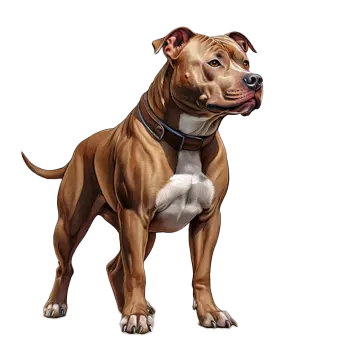
The American Pit Bull Terrier is a medium-sized, solidly built dog with a muscular frame that projects strength and athletic capability. Males typically stand between 18 and 21 inches at the withers and weigh between 35 and 60 pounds, while females measure 17 to 20 inches and weigh between 30 and 50 pounds. The breed exhibits a powerful yet agile build, with a low center of gravity that contributes to its remarkable strength and stability. The body is slightly longer than tall, presenting a rectangular silhouette with well-developed musculature throughout the chest, shoulders, and hindquarters. The head is one of the breed's most distinctive features, being medium in length with a broad, flat skull and a wide, deep muzzle. The powerful jaws are capable of tremendous grip strength, though properly bred individuals should have no tendency toward aggression. The cheeks are prominent and muscular, and the neck is heavy and muscular, blending smoothly into well-laid-back shoulders. The eyes are medium-sized and round to almond-shaped, set low and wide apart on the skull. Eye color can vary and often complements the coat color. The ears are small to medium in size, set high on the head, and may be natural or cropped depending on preference and local regulations. The coat is short, smooth, and glossy, lying close to the body and showcasing the breed's muscular definition. American Pit Bull Terriers come in virtually all colors and patterns, including solid colors, brindle, and combinations with white markings. The only color pattern not accepted is merle. The tail is relatively short in proportion to body size, thick at the base and tapering to a point, carried low when relaxed and may extend straight out when the dog is moving or alert. Overall, the American Pit Bull Terrier presents an impression of great strength for its size, combined with grace and athletic ability.
Key Characteristics
Temperament Temperament Temperament Temperament Temperament Temperament While American Pit Bull Terriers are generally excellent with people, some individuals may display dog-selective or dog-aggressive tendencies, a trait that reflects their historical breeding. Proper socialization from an early age is essential to help them develop appropriate behavior around other dogs. Many Pit Bulls live peacefully with other pets, but owners should always supervise interactions and be prepared to manage their dog's social environment. These dogs form deep bonds with their families and thrive on human companionship, often displaying affectionate behaviors such as cuddling and seeking close physical contact. Their combination of loyalty, intelligence, and athleticism makes them versatile companions for active owners who are committed to proper training and socialization.
Health Considerations Health Considerations Health Considerations Health Considerations Health Considerations Health Considerations Hypothyroidism is another condition that affects Pit Bulls with notable frequency, causing weight gain, lethargy, skin problems, and other symptoms that are manageable with daily medication. Heart conditions, including dilated cardiomyopathy and aortic stenosis, may occur and can be serious if left undetected. Cataracts and progressive retinal atrophy represent eye conditions that may develop, particularly as dogs age. Dental disease is common and requires regular professional cleanings and home care to prevent progression. Knee problems including patellar luxation and cranial cruciate ligament tears can affect this active breed. Regular veterinary checkups, maintaining a healthy weight, and providing appropriate exercise help ensure a long, healthy life.
Important to Remember
Each hybrid dog is unique and may inherit any combination of traits from either parent breed. The information above represents the characteristics of the purebred parent breeds. Your Schnauzer Pit may favor one parent over the other or display a blend of both. We strongly encourage you to read the complete breed profiles for both the Schnauzer and Pit Bull to fully understand the range of possible temperaments, health concerns, and care requirements.