Rustralian Terrier
The Rustralian Terrier is a cross between the Australian Terrier and the Jack Russell Terrier. Because each hybrid inherits a unique combination of traits from both parents, we recommend thoroughly researching both breeds before choosing a Rustralian Terrier. Pay special attention to temperament, health issues, and care requirements, as your dog may express characteristics from either parent breed.
Australian Terrier
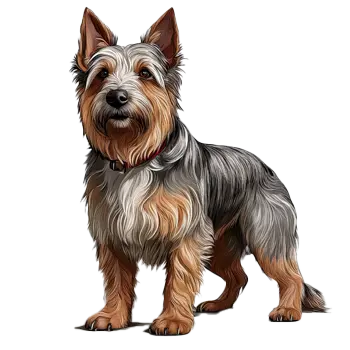
The Australian Terrier is a small, sturdy working terrier that was developed in Australia to control vermin and serve as a watchdog in the harsh conditions of the Australian bush. The breed stands approximately 10 to 11 inches at the shoulder and typically weighs 15 to 20 pounds, though some breed standards specify weights closer to 14 pounds. Despite its small stature, the Australian Terrier presents a robust and well-muscled frame that is noticeably longer than it is tall. This elongated proportion distinguishes it from squarer terrier breeds and reflects its heritage as a dog bred to work in tunnels and tight spaces pursuing rodents and snakes. The coat represents one of the Australian Terrier's most distinctive features, consisting of a harsh, straight outer coat approximately two inches long over a soft, short undercoat. This double coat provides excellent protection against the elements and requires surprisingly little maintenance for a terrier. The breed appears in three accepted color patterns: blue and tan, which features a dark steel-blue body with rich tan markings on the face, ears, underbody, and lower legs; solid sandy, a clear, even color throughout; and solid red, ranging from dark to lighter shades. A unique feature is the soft, silky topknot on the head, which contrasts with the harsher body coat and adds to the breed's distinctive appearance. The head is long and strong with a flat skull and a slight stop. The small, dark brown eyes are keen and alert, conveying the intelligence and spirit characteristic of the breed. The ears are small, pointed, and carried erect, set high on the head and pricked forward in attention. The muzzle is strong and equal in length to the skull, with a black nose. The neck blends smoothly into well-laid-back shoulders, and the body is level and firm. The tail is set high and typically docked where permitted, though natural tails are increasingly common. The breed enjoys a long lifespan, typically living 11 to 15 years.
Key Characteristics
Temperament Temperament Temperament Temperament Temperament Temperament The Australian Terrier forms strong bonds with its family and thrives on companionship and interaction. While affectionate with all family members, many individuals develop particularly close attachments to one person. The breed's small size makes it adaptable to various living situations, though it requires more exercise than its compact frame might suggest. Daily walks combined with play sessions and mental stimulation keep this active breed satisfied. The Australian Terrier retains strong hunting instincts and will enthusiastically pursue rodents, squirrels, and other small animals. Some individuals may display same-sex aggression toward other dogs, particularly males meeting unfamiliar males. The breed makes an alert watchdog, readily barking to announce visitors or unusual occurrences.
Health Considerations Health Considerations Health Considerations Health Considerations Health Considerations Health Considerations Diabetes mellitus affects Australian Terriers at higher rates than the average dog population, making regular monitoring of blood glucose levels particularly important for this breed. Symptoms include increased thirst and urination, weight loss despite normal appetite, and lethargy. Dogs diagnosed with diabetes require lifelong management including insulin injections and dietary modifications. Allergies affecting the skin occur in some individuals and may require dietary changes or medical treatment. Thyroid disorders, particularly hypothyroidism, can cause weight gain, lethargy, and coat problems. Epilepsy has been documented in the breed, though it remains relatively uncommon. Dental disease affects small breeds at elevated rates, making regular dental care essential. Pancreatitis occasionally occurs and requires veterinary attention.
Jack Russell Terrier

The Jack Russell Terrier is a small, athletic dog bred specifically for fox hunting, with proportions designed to enable it to pursue quarry both above and below ground. The breed stands between 10 and 15 inches at the shoulder, with the American Kennel Club standard specifying 12 to 14 inches as ideal. Weight typically ranges from 13 to 17 pounds, creating a compact yet muscular frame that allows the dog to fit into fox dens while maintaining enough strength and endurance for a full day of hunting. The body is slightly longer than it is tall, with a flat skull of moderate width that gradually narrows toward the eyes. The Jack Russell Terrier displays three distinct coat types, all of which are weatherproof and functional. The smooth coat lies flat against the body and requires minimal grooming. The rough coat is longer and more textured, providing additional protection against brush and brambles. The broken coat represents an intermediate type, featuring a mixture of smooth and rough hair. All coat types display a predominantly white base color, typically covering at least 51 percent of the body, with markings in black, tan, or a combination of both colors. These markings most commonly appear on the head and at the base of the tail. The breed possesses distinctive physical features that support its hunting function. The ears are small and V-shaped, folding forward in a button style that protects the ear canal when the dog works underground. The dark, almond-shaped eyes convey an alert and intelligent expression. The chest must be compressible and small enough to allow the dog to follow prey into narrow underground spaces. The tail, traditionally docked to approximately four inches, serves as a useful handle for pulling the dog from burrows. The legs are longer than those of many other terrier breeds, enabling the Jack Russell to keep pace with horses and hounds during hunts. The breed typically enjoys a lifespan of 13 to 16 years.
Key Characteristics
Temperament Temperament Temperament Temperament Temperament Temperament The Jack Russell retains extremely strong hunting instincts that significantly impact daily life with this breed. Its prey drive compels it to chase small animals, and it cannot be trusted around cats, rabbits, or other small pets unless raised with them from puppyhood. Even dogs socialized with small animals may suddenly give chase when triggered by rapid movement. The breed is also notably vocal, barking to alert owners of perceived threats and sometimes simply from excitement or boredom. Jack Russells typically excel with active families who can provide one to two hours of vigorous exercise daily, but they may prove too intense for first-time dog owners or households with small children.
Health Considerations Health Considerations Health Considerations Health Considerations Health Considerations Health Considerations Eye conditions represent another area of concern for the breed. Primary lens luxation, where the lens detaches from its normal position within the eye, occurs at higher rates in Jack Russell Terriers than in the general dog population. This painful condition can lead to glaucoma and blindness if untreated. Genetic testing can identify carriers of this condition, allowing breeders to make informed decisions. Cataracts and other inherited eye problems also affect some individuals. Deafness, particularly in dogs with extensive white coloration, occurs occasionally. Regular dental care is important, as small breeds often experience dental disease at higher rates. Maintaining appropriate body weight helps prevent obesity-related complications and protects joint health throughout the dog's life.
Important to Remember
Each hybrid dog is unique and may inherit any combination of traits from either parent breed. The information above represents the characteristics of the purebred parent breeds. Your Rustralian Terrier may favor one parent over the other or display a blend of both. We strongly encourage you to read the complete breed profiles for both the Australian Terrier and Jack Russell Terrier to fully understand the range of possible temperaments, health concerns, and care requirements.