Ratshi Terrier
The Ratshi Terrier is a cross between the American Rat Terrier and the Shih Tzu. Because each hybrid inherits a unique combination of traits from both parents, we recommend thoroughly researching both breeds before choosing a Ratshi Terrier. Pay special attention to temperament, health issues, and care requirements, as your dog may express characteristics from either parent breed.
American Rat Terrier
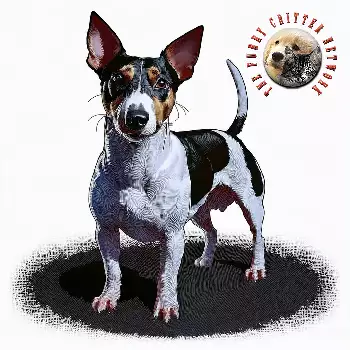
The American Rat Terrier is a compact, well-muscled small to medium-sized dog that presents an appearance of elegance combined with athletic capability. This breed comes in two distinct size varieties recognized by major kennel clubs: the Miniature, standing between 10 and 13 inches at the shoulder, and the Standard, measuring over 13 inches up to 18 inches in height. Weight varies proportionally with height, though the breed standard emphasizes moderate bone structure and a well-balanced physique rather than specific weight requirements. The body is slightly longer than tall, with a level back, well-sprung ribs, and a moderately wide chest that extends to the elbow. The breed's coat is short, smooth, dense, and characteristically shiny, requiring minimal grooming to maintain its healthy appearance. American Rat Terriers display a distinctive pied coloring pattern, featuring comparatively large patches of one or more colors combined with white. Acceptable colors include black, chocolate, red, apricot, blue, fawn, tan, and lemon, often appearing with tan points. The breed standard specifies that white should comprise between 10 and 90 percent of the coat, and solid-colored dogs without white markings are not permitted. The intense, dark shades with clearly defined color delineation are preferred in show specimens. The head resembles a smooth, blunt wedge when viewed from the front or in profile, widening gradually toward the base of the ears. The expression is intelligent, alert, and full of interest, achieved through obliquely set oval eyes that are positioned wide apart. Ears are set on the outside edge of the skull and may be carried erect, semi-erect, or tipped. The muzzle is strong and slightly shorter than the skull, tapering slightly toward the nose. The tail may be naturally bobbed, docked, or left full length, carried from slightly below horizontal to nearly erect depending on the dog's mood and attention level.
Key Characteristics
Temperament Temperament Temperament Temperament Temperament Temperament American Rat Terriers generally do well with children when raised together, though their terrier instincts may surface around very young or boisterous children. They can be somewhat reserved with strangers, making them excellent watchdogs without excessive barking. The breed typically coexists peacefully with other dogs, especially when properly socialized from puppyhood. However, their strong prey drive makes them unsuitable companions for small pocket pets. Without proper leadership and consistent boundaries, some individuals may develop small dog syndrome, attempting to assume pack leader status within the household.
Health Considerations Health Considerations Health Considerations Health Considerations Health Considerations Health Considerations Eye and cardiac conditions also warrant attention in the breed. Progressive retinal atrophy, a degenerative eye disease that gradually leads to blindness, has been documented in the breed. Regular ophthalmologic examinations can detect early signs of this condition. Some lines may carry genes for primary lens luxation, another serious eye disorder. Cardiac disease, including various heart murmurs and conditions, should be screened through veterinary cardiac evaluations. Additionally, the breed may be affected by congenital hypothyroidism, Von Willebrand's disease affecting blood clotting, and dental issues common to small breeds. Maintaining proper dental hygiene through regular brushing and professional cleanings helps prevent periodontal disease.
Shih Tzu
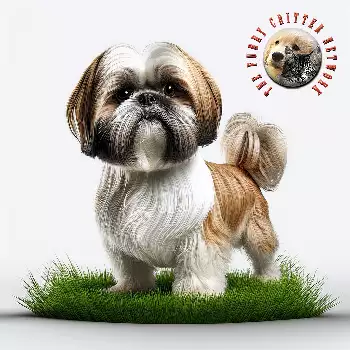
The Shih Tzu is a sturdy, compact toy breed that carries itself with a distinctly proud and slightly arrogant bearing despite its small stature. Standing between 8 and 11 inches at the shoulder, with the ideal height being 9 to 10.5 inches, this breed typically weighs between 9 and 16 pounds. The body is slightly longer than it is tall, presenting a solid, well-balanced appearance with good substance and adequate bone structure. The chest is broad and deep, extending to just below the elbow, while the topline remains level from withers to tail. The overall impression is one of a surprisingly robust little dog beneath its luxurious coat. The breed's crowning glory is its magnificent double coat, which flows long and dense when kept in full show trim. The outer coat is luxurious, slightly wavy but never curly, while the undercoat provides warmth and fullness. All coat colors and markings are equally acceptable in the breed standard, resulting in remarkable variety including gold, white, black, liver, silver, brindle, and various combinations with or without white markings. The coat requires considerable maintenance, with daily brushing essential for dogs kept in long coat and regular professional grooming necessary to prevent matting and maintain skin health. The Shih Tzu's head is perhaps its most distinctive feature, being large and round with a warm, sweet expression that has captivated owners for centuries. The skull is domed with a pronounced stop, and the muzzle is short, square, and unwrinkled, ideally measuring no more than one inch from tip of nose to stop. The large, dark, round eyes are set wide apart and convey an expression of trust and friendliness. An undershot bite is required by the breed standard, contributing to the breed's characteristic facial appearance. The ears are large, heavily coated, and set slightly below the crown of the skull. The tail is set high and carried curved over the back in a luxurious plume.
Key Characteristics
Temperament Temperament Temperament Temperament Temperament Temperament Training a Shih Tzu requires patience and consistency, as the breed can display a stubborn streak inherited from generations of pampered palace living. They respond best to positive reinforcement methods with gentle handling, as harsh corrections typically prove counterproductive with this sensitive breed. Shih Tzus have moderate exercise requirements easily satisfied with short walks and indoor play sessions, though they are surprisingly athletic when motivated. The breed may develop separation anxiety if left alone frequently, as they strongly prefer human company. Early socialization helps ensure these naturally friendly dogs develop into well-adjusted adults comfortable in various situations.
Health Considerations Health Considerations Health Considerations Health Considerations Health Considerations Health Considerations Dental disease affects Shih Tzus at notably high rates, with studies indicating periodontal disease as one of the most common health issues in the breed. The small jaw and crowded teeth create conditions favorable for tartar accumulation and gum disease. Regular dental care, including daily tooth brushing and professional cleanings, is essential. Eye problems also occur frequently due to the breed's prominent eyes, including conditions such as cataracts, progressive retinal atrophy, dry eye syndrome, and corneal ulcers from injury. Additional concerns include patellar luxation, hip dysplasia, intervertebral disk disease, liver shunt, ear infections due to the heavily coated drop ears, and anal sac impaction. Responsible breeding practices and health screening help reduce the incidence of hereditary conditions.
Important to Remember
Each hybrid dog is unique and may inherit any combination of traits from either parent breed. The information above represents the characteristics of the purebred parent breeds. Your Ratshi Terrier may favor one parent over the other or display a blend of both. We strongly encourage you to read the complete breed profiles for both the American Rat Terrier and Shih Tzu to fully understand the range of possible temperaments, health concerns, and care requirements.