Puggat
The Puggat is a cross between the Pug and the American Rat Terrier. Because each hybrid inherits a unique combination of traits from both parents, we recommend thoroughly researching both breeds before choosing a Puggat. Pay special attention to temperament, health issues, and care requirements, as your dog may express characteristics from either parent breed.
Pug
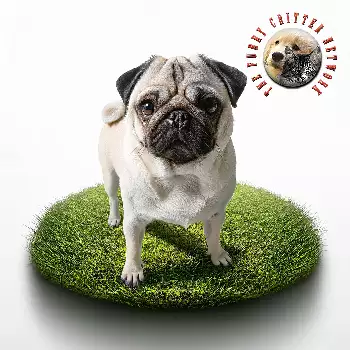
The Pug is a small, compact breed that stands between 10 and 13 inches at the shoulder and weighs between 14 and 18 pounds, with males typically on the larger end of the range. This breed exemplifies the Latin phrase "multum in parvo," meaning much in little, as they pack substantial presence into their compact frames. The body is square and cobby with a deep chest, well-developed muscles, and a sturdy build that gives the impression of strength despite their diminutive size. The legs are straight, strong, and set well under the body to support their stocky frame. The head is the Pug's most distinctive feature, being large and round with a flat, wrinkled face and a very short, blunt muzzle characteristic of brachycephalic breeds. The eyes are prominently large, round, and dark, conveying an expression of concern and curiosity. The ears are small, thin, and soft like black velvet, coming in two varieties: rose ears that fold back to show the ear canal, or button ears that fold forward with the tip covering the opening. The tail is tightly curled over the hip, with a double curl considered the ideal. The coat is short, smooth, glossy, and fine in texture, consisting of a soft double coat that sheds moderately throughout the year. Accepted colors include fawn, which can range from apricot-fawn to silver-fawn, and solid black. Fawn-colored Pugs display a distinct black mask covering the muzzle and ears, with a black trace line running down the spine from the back of the head to the tail. The contrast between the light body color and dark markings is highly prized in the breed standard.
Key Characteristics
Temperament Temperament Temperament Temperament Temperament Temperament Pugs are extremely affectionate and often follow their owners from room to room, earning them the nickname "shadow dogs." They typically get along well with children, other dogs, and even cats when properly socialized. However, their strong attachment can lead to separation anxiety when left alone for extended periods. While they make excellent watchdogs due to their alertness and tendency to bark at unfamiliar sounds, they are not aggressive and will quickly warm up to visitors once they sense no threat.
Health Considerations Health Considerations Health Considerations Health Considerations Health Considerations Health Considerations Obesity is a significant health risk for Pugs, as they have hearty appetites and reduced ability to exercise due to breathing difficulties. Excess weight worsens respiratory problems and puts additional stress on joints. Other conditions commonly seen include hip dysplasia, patellar luxation, skin fold dermatitis requiring regular cleaning of facial wrinkles, and Pug Dog Encephalitis, a fatal inflammatory brain disease unique to this breed. Spinal problems, including hemivertebrae related to their curly tail, can cause pain and mobility issues. Responsible breeders screen for these genetic conditions to improve overall breed health.
American Rat Terrier
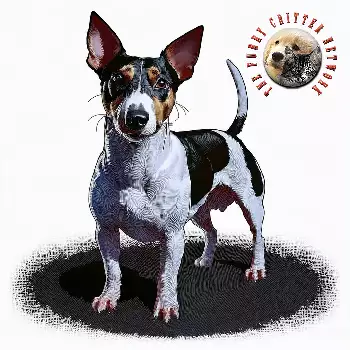
The American Rat Terrier is a small to medium-sized breed that comes in two recognized size varieties. The Miniature variety stands between 10 and 13 inches at the shoulder, while the Standard variety measures from 13 to 18 inches. Weight ranges from approximately 10 to 25 pounds, proportional to height. The body is compact and well-muscled, displaying an athletic build that reflects the breed's heritage as a versatile farm dog and hunter. The overall appearance should be slightly longer than tall, presenting a refined yet sturdy silhouette that suggests both speed and endurance. The head is distinctive with a wedge-shaped skull that tapers smoothly toward the muzzle, creating an alert and intelligent expression. The ears are set at the outside edges of the skull and may be erect, semi-erect, or button-shaped, with erect ears preferred in the show ring. The eyes are oval-shaped, moderately sized, and can range from dark brown to amber, though darker eyes are preferred. The muzzle is strong and slightly shorter than the skull, ending in a nose that matches the coat color. The neck is moderately long and blends smoothly into well-laid-back shoulders. The coat is short, smooth, and shiny with a dense texture that lies close to the body. A distinguishing characteristic of the breed is its pied patterning, meaning the coat must include white as a base color with patches and spots of one or more additional colors. Acceptable colors include black, tan, chocolate, blue, fawn, apricot, lemon, and red, always combined with white markings. Solid-colored dogs without white are not acceptable in the breed standard. Many Rat Terriers display a white-tipped tail, which was historically valued for visibility when the dog was working in tall vegetation.
Key Characteristics
Temperament Temperament Temperament Temperament Temperament Temperament Rat Terriers generally get along well with children and can be patient playmates when properly socialized from a young age. They are typically good with other dogs, especially when raised together, though some may display territorial behavior. Their alert nature makes them excellent watchdogs who will readily announce the arrival of visitors or anything unusual in their environment. While initially reserved with strangers, they warm up quickly once they sense friendly intentions. Their adaptable nature allows them to thrive in various living situations, from apartments to rural farms, as long as their exercise and companionship needs are met.
Health Considerations Health Considerations Health Considerations Health Considerations Health Considerations Health Considerations Eye disorders requiring attention include Primary Lens Luxation, where the lens detaches and can cause glaucoma and blindness if untreated, and Progressive Retinal Atrophy, a degenerative condition leading to gradual vision loss. Heart disease, particularly mitral valve disease, is the leading cause of death in senior Rat Terriers and should be monitored through regular cardiac screenings. Other conditions occasionally seen include Von Willebrand's disease, a blood clotting disorder, hypothyroidism affecting metabolism, dental problems due to their small mouths, and various allergies. Despite these potential issues, most Rat Terriers enjoy excellent health throughout their long lives when provided with proper nutrition, exercise, and veterinary care.
Important to Remember
Each hybrid dog is unique and may inherit any combination of traits from either parent breed. The information above represents the characteristics of the purebred parent breeds. Your Puggat may favor one parent over the other or display a blend of both. We strongly encourage you to read the complete breed profiles for both the Pug and American Rat Terrier to fully understand the range of possible temperaments, health concerns, and care requirements.