New Shep
The New Shep is a cross between the Newfoundland and the German Shepherd Dog. Because each hybrid inherits a unique combination of traits from both parents, we recommend thoroughly researching both breeds before choosing a New Shep. Pay special attention to temperament, health issues, and care requirements, as your dog may express characteristics from either parent breed.
Newfoundland

The Newfoundland is a massive, powerfully built working dog that exemplifies strength, endurance, and dignified bearing. Males typically stand around 28 inches at the shoulder and weigh between 130 to 150 pounds, while females average 26 inches in height and weigh 100 to 120 pounds. The breed possesses heavy bone structure and substantial muscle throughout, with a body that is slightly longer than it is tall, presenting a balanced and well-proportioned appearance. The head is massive with a broad skull, slightly arched crown, and strongly developed occiput, while the muzzle is broad, deep, and square-shaped with soft flews. The eyes are relatively small, deep-set, and dark brown, conveying the breed's characteristic benevolence, intelligence, and dignity. The ears are relatively small, triangular with rounded tips, and set well back on the head. The Newfoundland's coat is a defining feature of the breed, consisting of a flat, water-resistant double coat that naturally falls back into place when rubbed against the nap. The outer coat is moderately long, coarse in texture, and lies close to the body, while the dense, soft undercoat provides essential insulation and is particularly prominent around the neck and thighs. Recognized colors include solid black, brown, gray, and the distinctive Landseer pattern featuring a white base coat with black markings typically on the head and saddle area. Solid-colored dogs may display white markings on the chin, chest, toes, and tail tip, which are considered typical and not penalized. Several physical adaptations make this breed exceptional for water work. The feet are proportionate to the body, webbed between the toes, and cat-like in structure, enabling powerful and efficient swimming strokes. The tail is broad at the base, reaching to the hock, and serves as a rudder during swimming activities. The forequarters feature muscular, heavily boned forelegs that are straight and parallel, while the powerful hindquarters provide substantial drive. The dog's gait is smooth and rhythmic, covering maximum ground with minimum steps while giving the impression of effortless power, and a slight roll of the skin while moving is characteristic of the breed.
Key Characteristics
Temperament Temperament Temperament Temperament Temperament Temperament The breed's social nature extends to other household animals, and they generally coexist peacefully with other dogs and cats when properly socialized from an early age. While not built for endurance running or high-intensity athletic activities, Newfoundlands are natural swimmers who genuinely love the water and require regular moderate exercise to maintain physical and mental health. They adapt well to various living situations provided they receive adequate attention, exercise, and family interaction, though their substantial size and deep need for human connection mean they are not suited to outdoor-only housing or kennel living arrangements.
Health Considerations Health Considerations Health Considerations Health Considerations Health Considerations Health Considerations Additional health concerns include cystinuria, a metabolic disorder affecting the kidneys' ability to filter certain amino acids, potentially leading to painful bladder stone formation. Progressive retinal atrophy and entropion are eye conditions that can affect vision and comfort, requiring veterinary attention. Osteosarcoma, an aggressive form of bone cancer, occurs at higher rates in giant breeds including Newfoundlands and typically affects the limbs. The breed's average lifespan ranges from 8 to 10 years, typical for dogs of their substantial size. Preventive care including appropriate nutrition, careful weight management, and regular veterinary health screenings helps identify potential issues early and supports overall wellbeing throughout their lives.
German Shepherd Dog
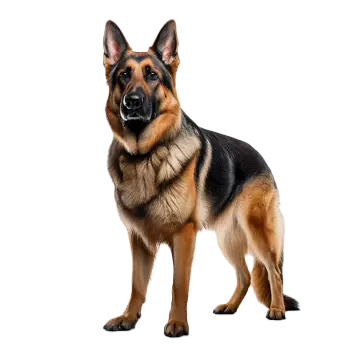
The German Shepherd Dog is a large, well-balanced, muscular breed that presents an image of nobility, intelligence, and athletic capability. Males typically stand 24 to 26 inches at the shoulder and weigh between 65 to 90 pounds, while females measure 22 to 24 inches and weigh 50 to 70 pounds. The body is longer than it is tall, with ideal proportions of approximately 10 to 8.5, creating a rectangular silhouette that emphasizes reach and drive during movement. The overall impression is one of depth, solidity, and substance without any bulkiness, conveying strength and agility in equal measure. The breed should appear capable of sustained athletic effort and demonstrate the power expected of a versatile working dog. The head features a distinctive domed forehead, a long, square-cut muzzle with strong jaws, and a black nose regardless of coat color. The eyes are medium-sized, almond-shaped, and dark brown, set slightly obliquely to convey an alert, intelligent, and confident expression. The ears are large, moderately pointed, and stand firmly erect when at attention, opening toward the front and carried parallel to each other. When moving at speed or when relaxed, the ears often pull back temporarily. The neck is muscular, relatively long, and well-arched, raised when the dog is excited and lowered during rapid movement or stalking behavior characteristic of the breed. The German Shepherd's double coat consists of a dense, straight or slightly wavy outer layer with a thick undercoat that provides excellent insulation. Medium-length coats are most common, though long-haired variants exist and are recognized separately by some registries. Most commonly, the breed displays tan and black or red and black coloration with characteristic saddle or blanket markings across the back. Other accepted colors include sable in various shades, solid black, and bi-color patterns where most of the body is black with tan limited to the legs and face. The bushy tail reaches at least to the hock and hangs in a gentle curve at rest, raising when the dog is alert. Movement is fluid, ground-covering, and tireless, with strong reach in front and powerful drive from behind, reflecting the breed's exceptional working capability and stamina.
Key Characteristics
Temperament Temperament Temperament Temperament Temperament Temperament German Shepherds require substantial daily exercise and ongoing mental engagement to maintain balanced temperaments and overall wellbeing. Physical activities like running, hiking, swimming, and retrieving games help satisfy their considerable energy needs, while training sessions, puzzle toys, and interactive play address their mental requirements. The breed excels in obedience, tracking, protection sports, agility, and numerous other competitive and working disciplines. Their high trainability and desire to please make them responsive students when handled with consistency, fairness, and positive methods. Proper socialization with other animals during puppyhood typically produces dogs that coexist peacefully with household pets.
Health Considerations Health Considerations Health Considerations Health Considerations Health Considerations Health Considerations Exocrine pancreatic insufficiency occurs when the pancreas fails to produce adequate digestive enzymes, causing weight loss, poor coat condition, and chronic digestive issues despite normal appetite. Treatment requires lifelong enzyme supplementation with meals. Cancer affects the breed at concerning rates, with hemangiosarcoma, osteosarcoma, and lymphoma being particularly prevalent. Von Willebrand disease, an inherited bleeding disorder, requires screening before surgical procedures. Additional concerns include allergies, panosteitis during growth, and various skin conditions. The breed's lifespan typically ranges from 9 to 13 years with proper care and regular veterinary monitoring.
Important to Remember
Each hybrid dog is unique and may inherit any combination of traits from either parent breed. The information above represents the characteristics of the purebred parent breeds. Your New Shep may favor one parent over the other or display a blend of both. We strongly encourage you to read the complete breed profiles for both the Newfoundland and German Shepherd Dog to fully understand the range of possible temperaments, health concerns, and care requirements.